




































Solar inverters
Converting the direct current from photovoltaic panels into 230 V alternating voltage is the job of inverters and converters, without which ordinary appliances could not be powered. This includes grid-tied (on-grid), off-grid and hybrid types, microinverters for individual panels and voltage converters for 12, 24 and 48 V systems. Solar inverters and converters differ in power, output waveform and the option to connect batteries, so they are chosen according to the size of the setup and the intended use.
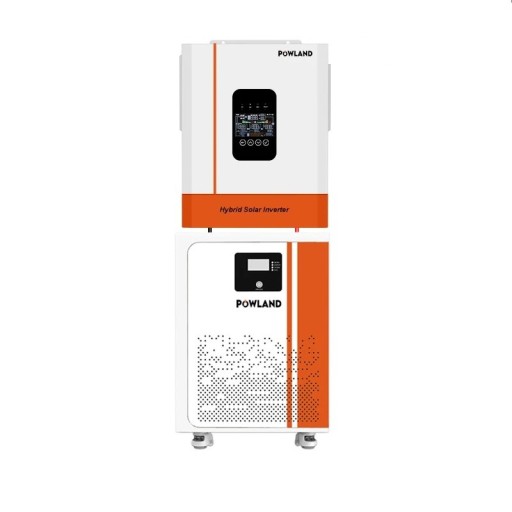
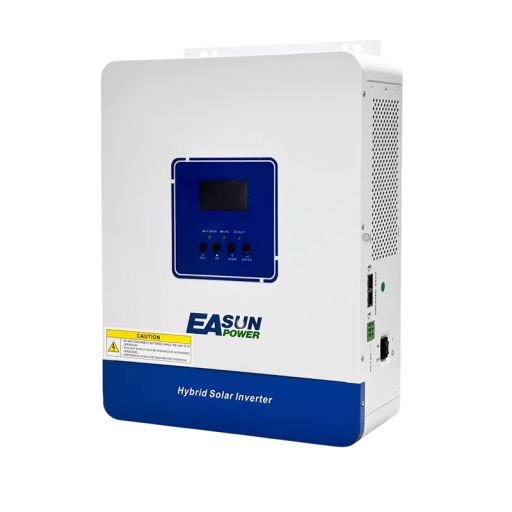
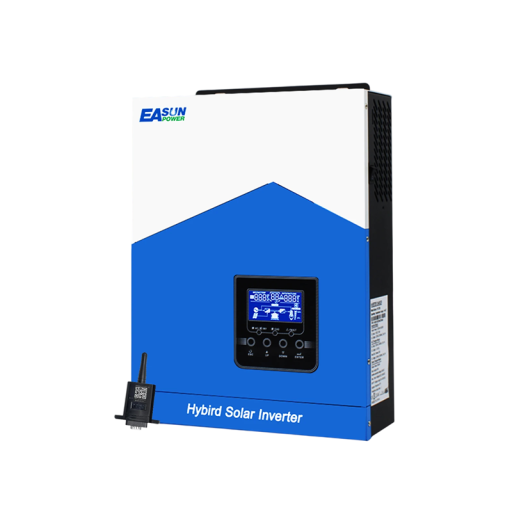
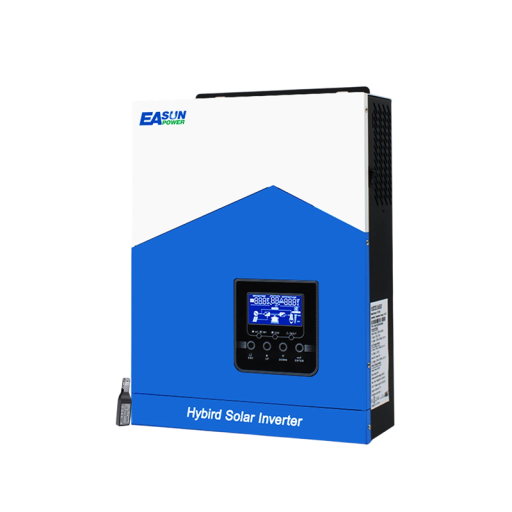
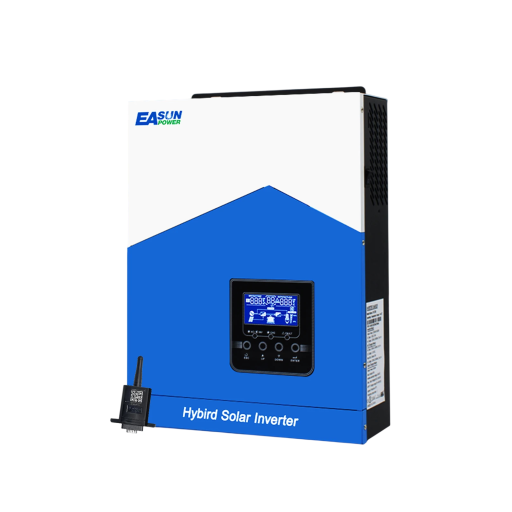
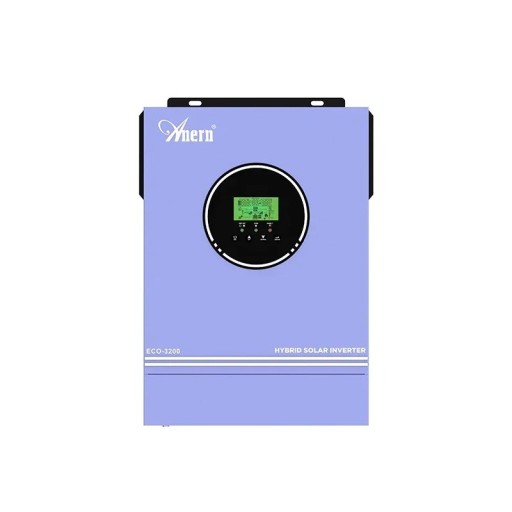
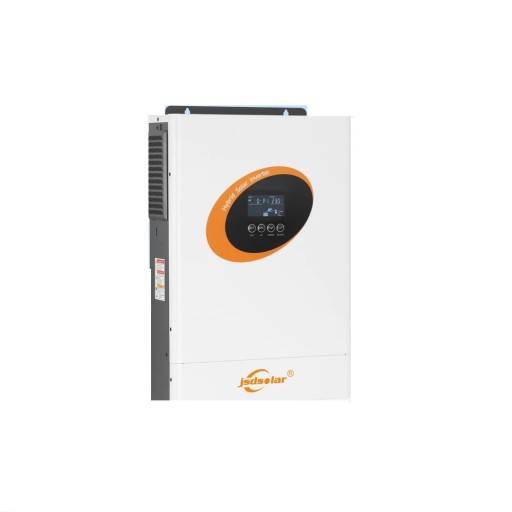
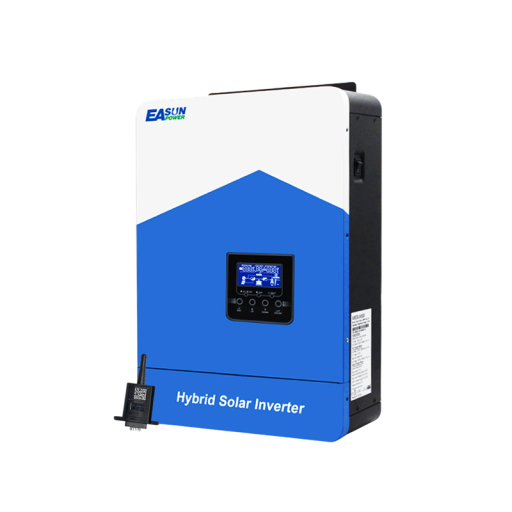
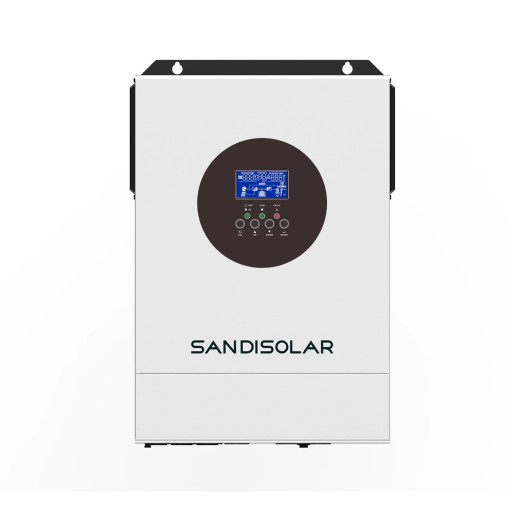
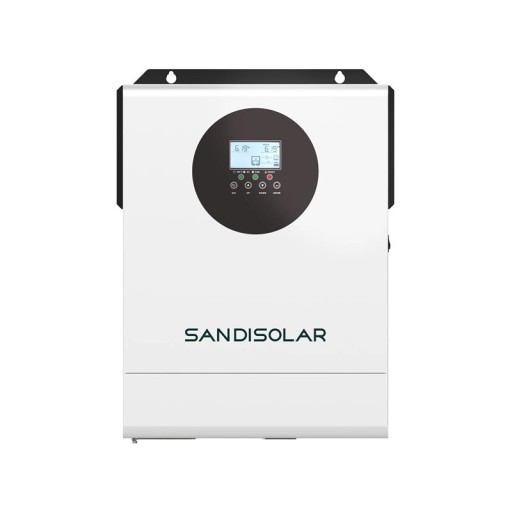
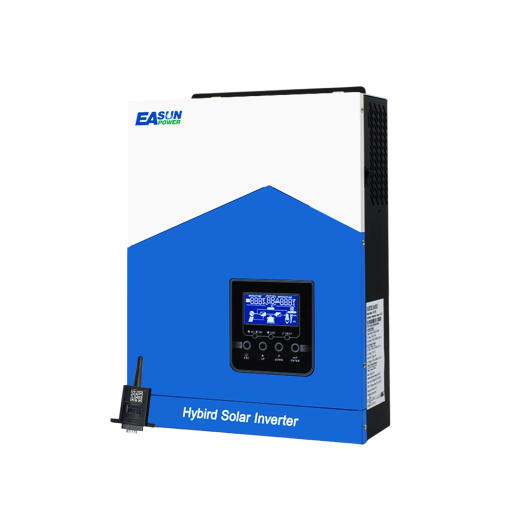
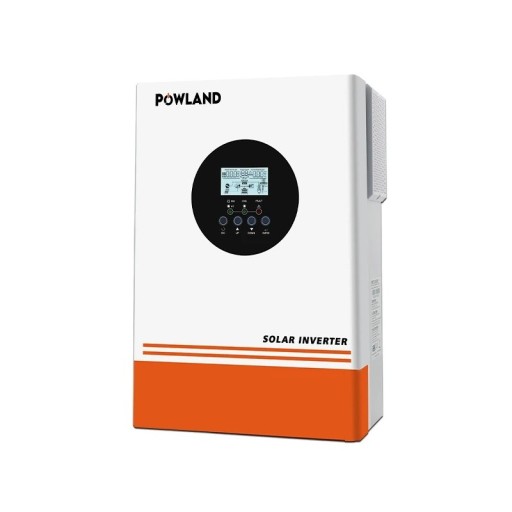
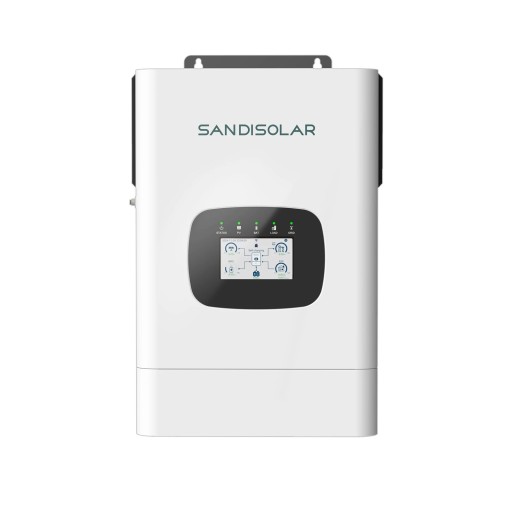
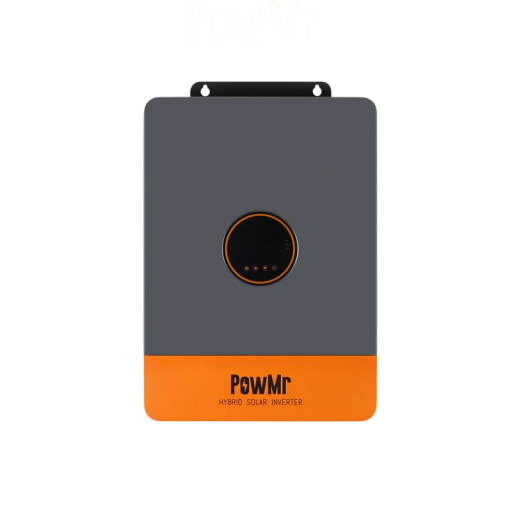
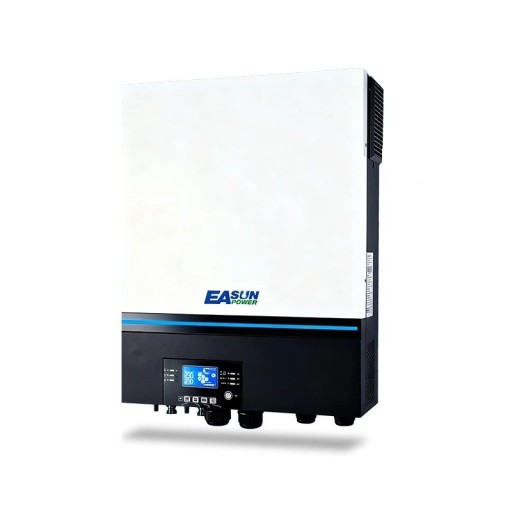
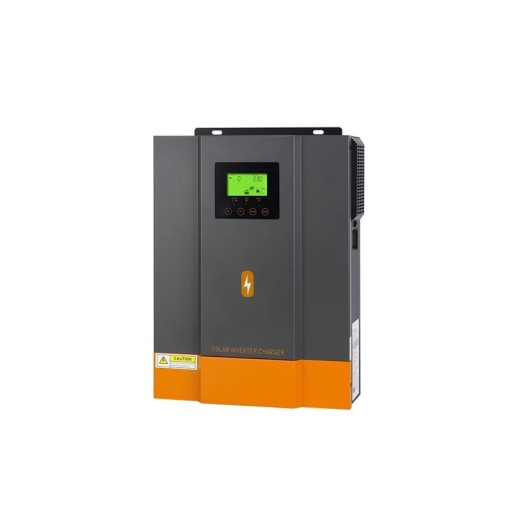
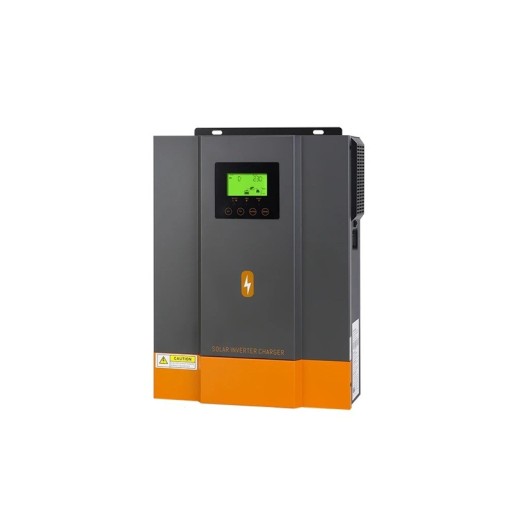
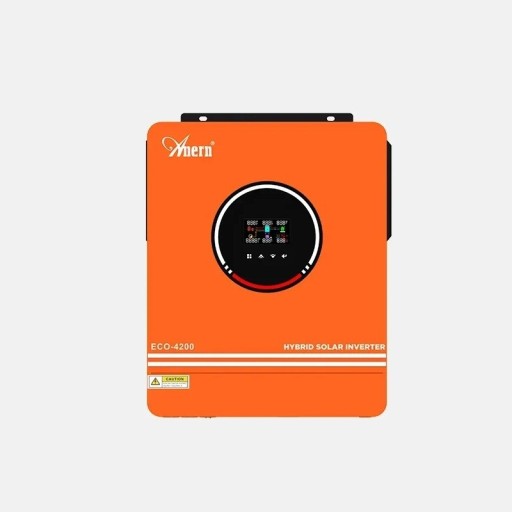
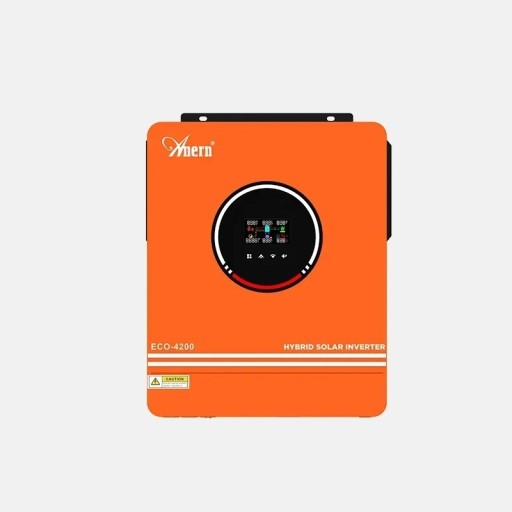
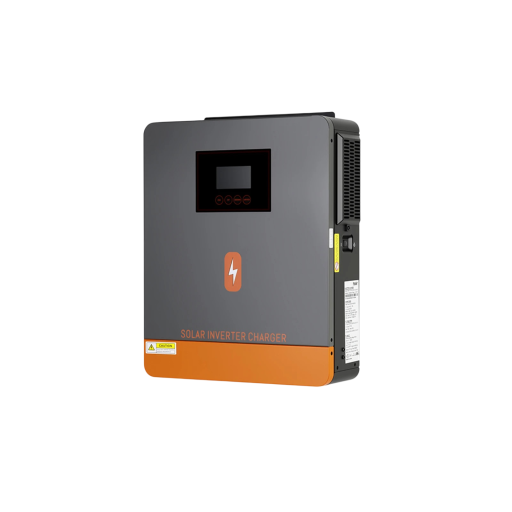
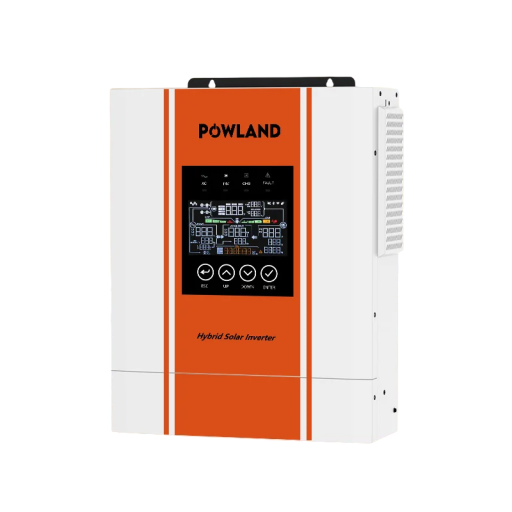
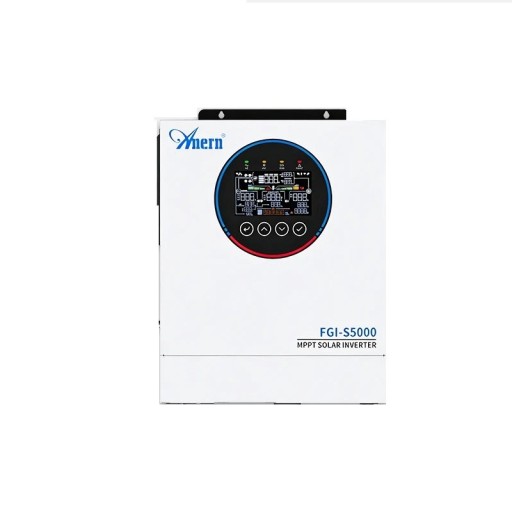
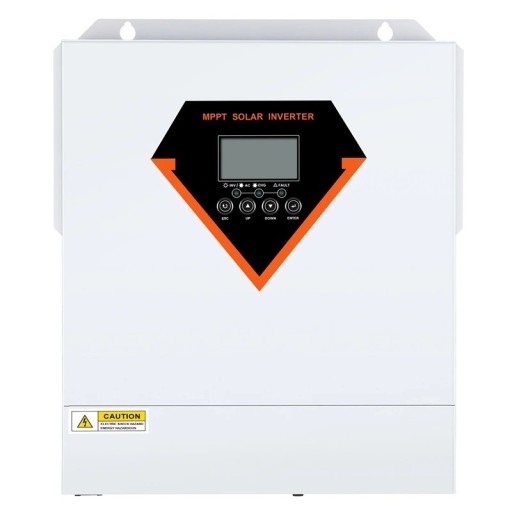
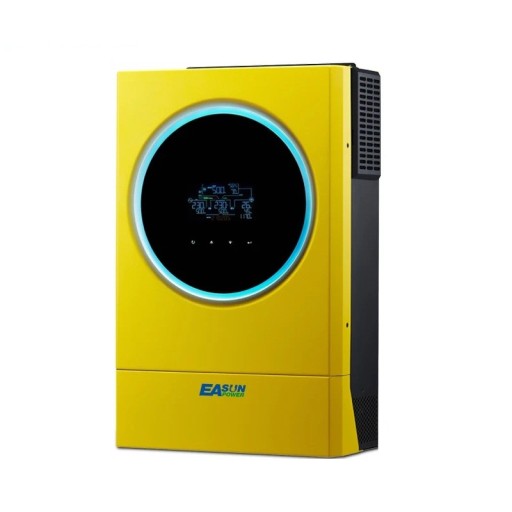
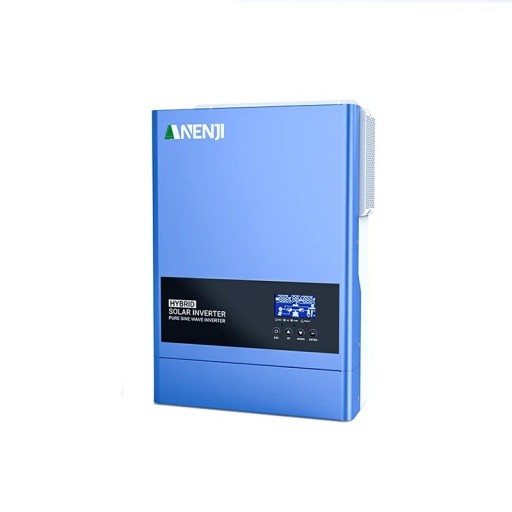
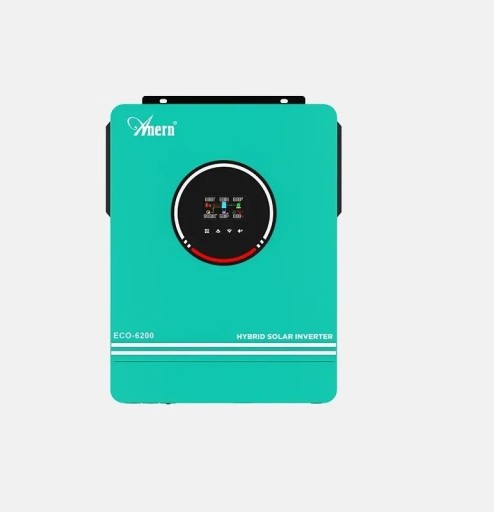
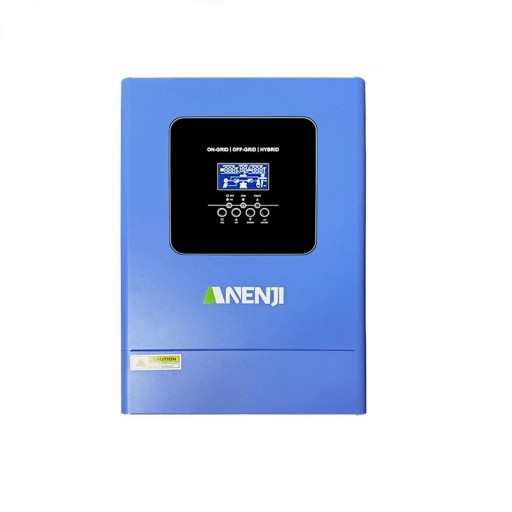
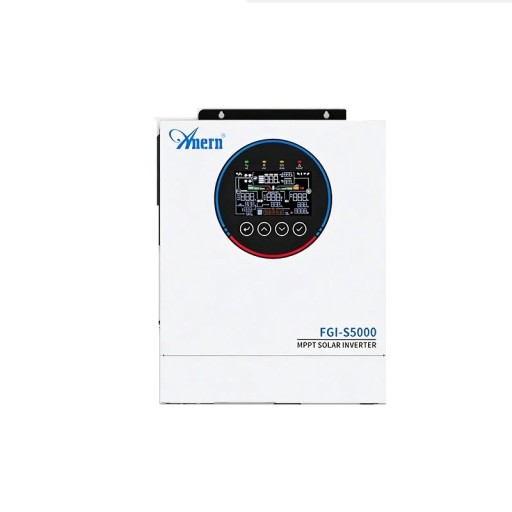
Solar inverters
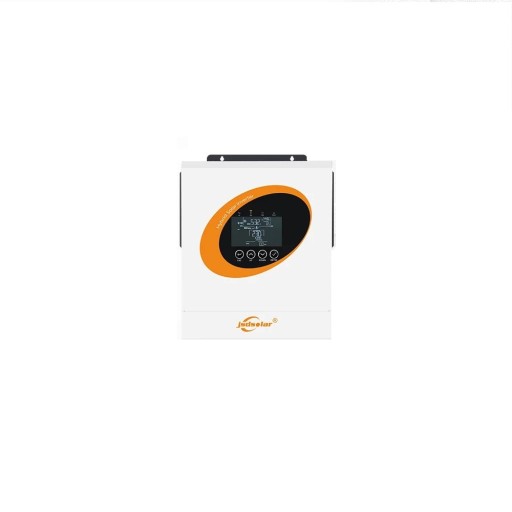
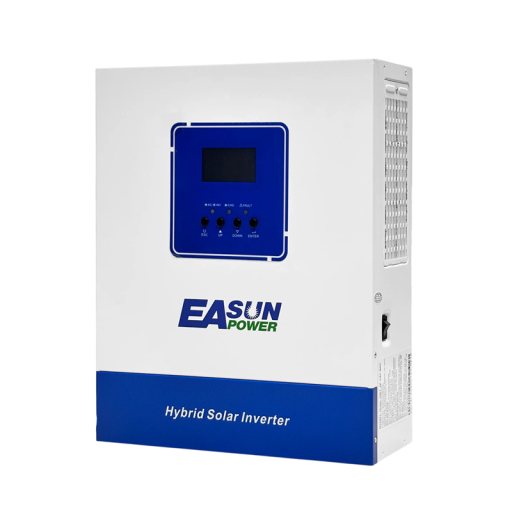
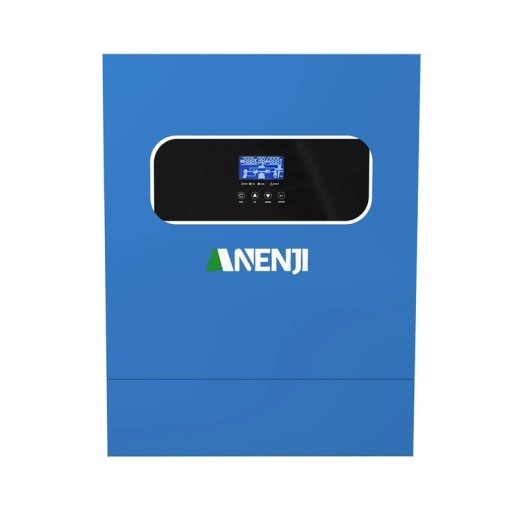
Photovoltaic panels generate direct current, yet most household appliances and the grid run on 230 V alternating voltage. This conversion is exactly what the inverter handles, while the converter can also adjust the level of the direct voltage between the individual parts of the system. The inverter thus sits between the panels, batteries and sockets as the element that governs the whole flow of energy. Without it, the output of the panels would remain practically unusable.
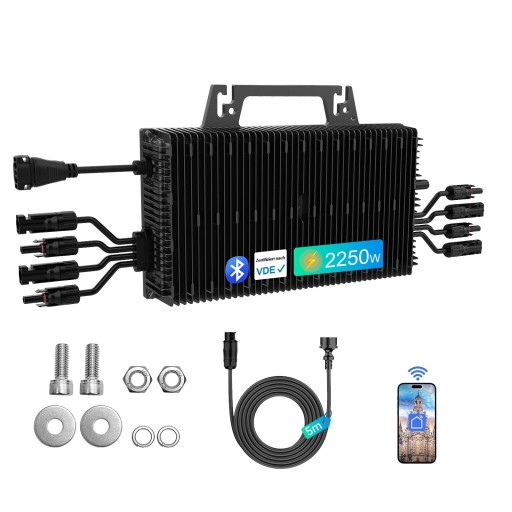
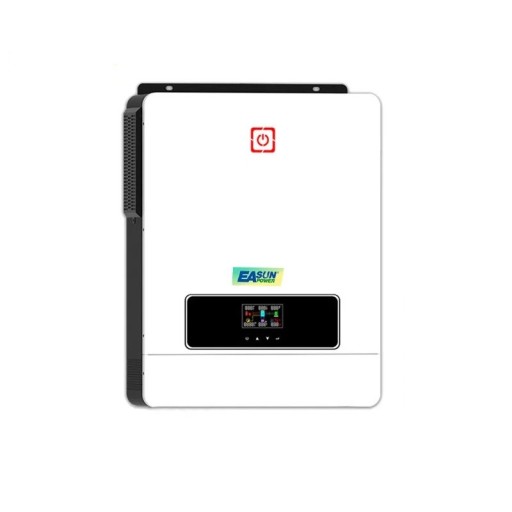
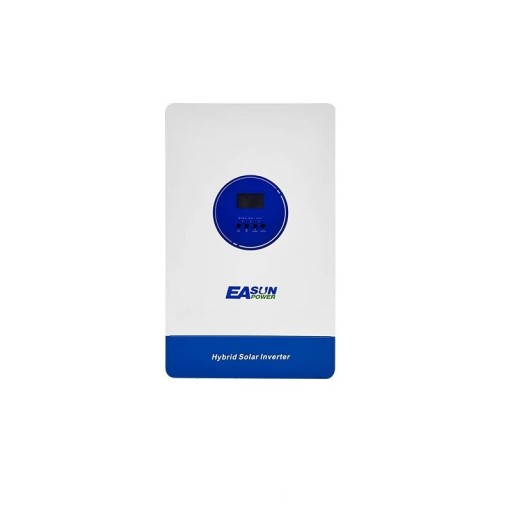
Several types are distinguished according to the connection. Grid-tied (on-grid) inverters supply power directly to the home and feed surpluses into the distribution grid. Off-grid inverters work independently of the grid and draw on batteries, which makes them suitable for cabins, motorhomes and boats. Hybrid inverters combine both functions and also manage battery charging. A separate group is formed by microinverters, mounted directly on individual panels, which increase yield under partial shading.
The choice is driven by the continuous and peak power in watts, which must cover all connected appliances, and the input voltage matching the setup, usually 12, 24 or 48 V. The shape of the output voltage also matters — a pure sine wave suits sensitive electronics and motors, while a modified sine wave is enough for simpler devices. In grid-tied systems, compatibility with the network operator's requirements is also important, and in off-grid systems a sufficient capacity of the connected batteries. A higher conversion efficiency reduces losses and saves the energy produced.
Before buying an inverter, it is worth adding up the power draw of the appliances that will run at the same time and adding a margin for the start-up currents of motors and pumps. The cooling method, protection against moisture and dust, and the option to connect to a charge controller or a production-monitoring app also play a role. Well-chosen solar inverters and converters keep the voltage stable, protect the connected appliances and make full use of the potential of the entire photovoltaic system.