





























































































Solar meters and monitoring
An overview of generation, consumption and battery status is provided by measuring and monitoring components, which collect data from the entire photovoltaic array and show it on a display or in an app. These include battery monitors and shunts, energy meters and wattmeters, dataloggers and communication modules (WiFi, LAN, GSM), as well as online portals for remote supervision. Solar meters and monitoring are chosen according to what needs to be tracked and how the array is to connect to a phone or computer.

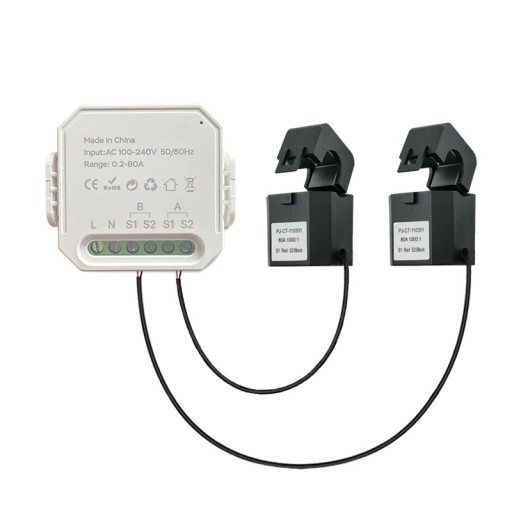
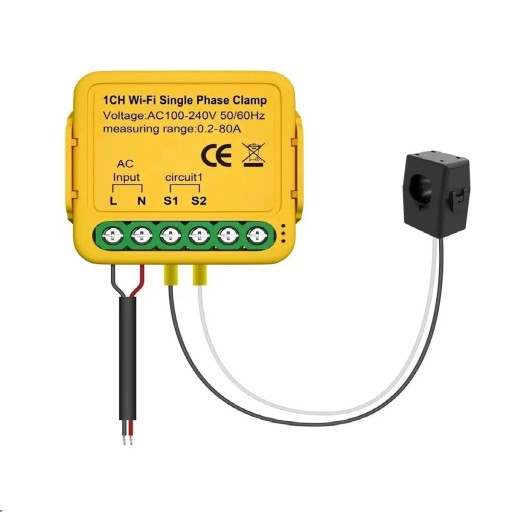
Solar meters and monitoring
A photovoltaic array works reliably only when it is visible what is happening inside it — how much energy the panels generate, how much is consumed and what state the batteries are in. It is precisely the overview of these values that is provided by the measuring and monitoring components, which form the eyes of the whole system. Without them, faults, a drop in output or discharged batteries are noticed late, often only from higher bills or an outage.
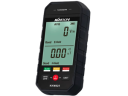
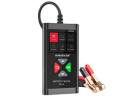
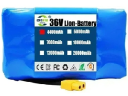
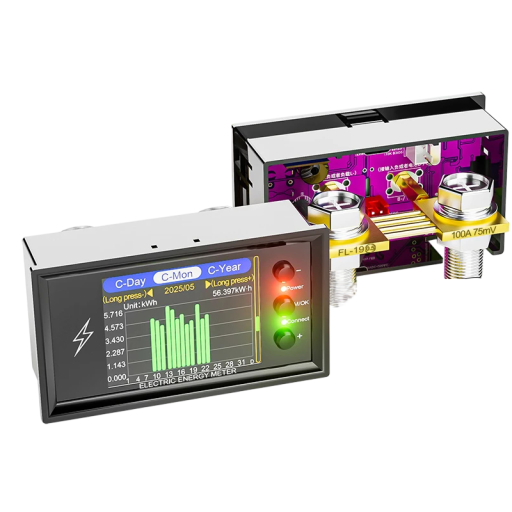
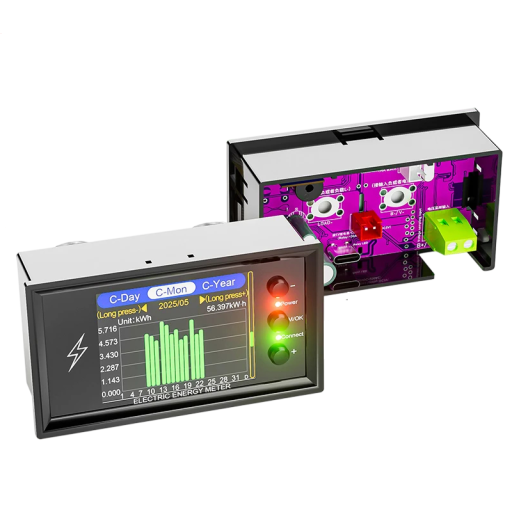
Basic data is provided by battery monitors and shunts, which measure current, voltage and state of charge, and by energy meters and wattmeters, which track generation, consumption and surplus fed into the grid. Some devices can measure several quantities at once and display them directly. Accuracy depends on the correctly chosen range and the placement of the sensors, which is why the rated values and the method of connection are taken into account.
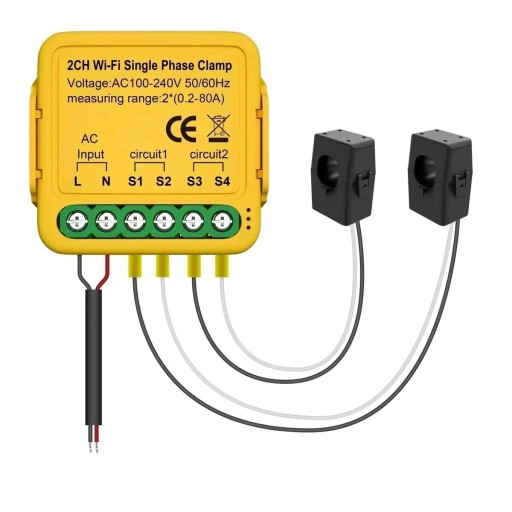
Remote overview is handled by monitoring systems and dataloggers, which store the data and send it to an online portal or app. The connection is provided by communication modules via WiFi, LAN or GSM; on many inverters these are separate accessories. As a result, the state of the array is visible from anywhere, the system can warn of a fault and data from a longer period helps to reveal weak points.
The choice depends on what needs to be measured and in what detail, and on which inverter and battery the device is to be compatible with. For smaller arrays a simple display or battery monitor is enough, while for larger ones comprehensive monitoring with data storage is worthwhile. It is also practical to be able to follow the values on a phone and to have the system send alerts on its own. Well-chosen meters and monitoring save energy, extend the life of the batteries and make it possible to adjust the system in time.