






























Ski and snowboard helmets
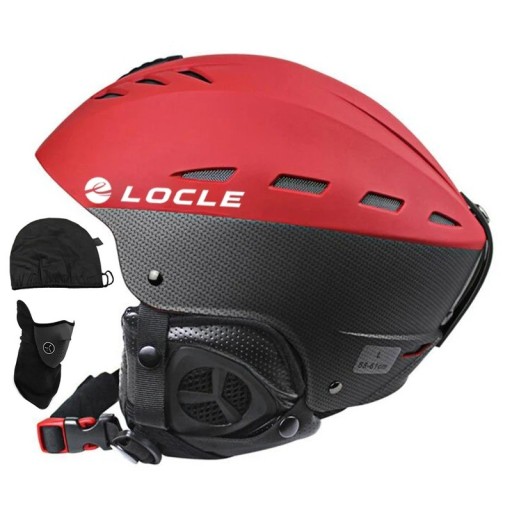
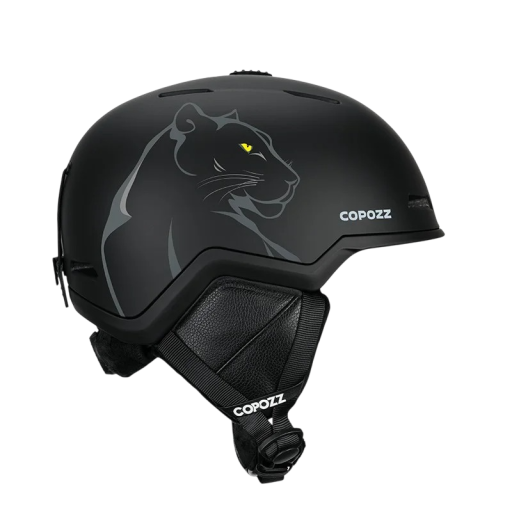
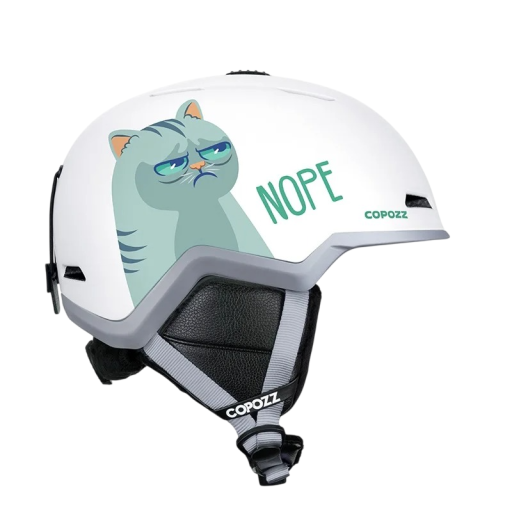
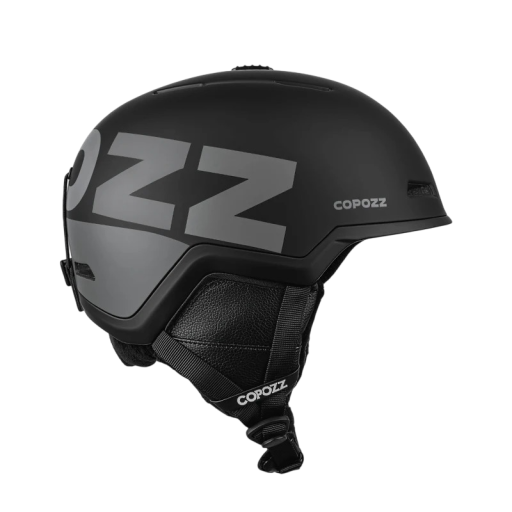
Head protection is as much a part of the kit on the slopes as skis or a snowboard. Ski and snowboard helmets differ in shell construction, size adjustment system, ventilation and compatibility with goggles. The range includes lightweight models made with In-Mold technology, durable helmets with a hard ABS shell, visor helmets that replace goggles and models with protection against rotational forces. Children's sizes for the youngest skiers and snowboarders complete the selection.
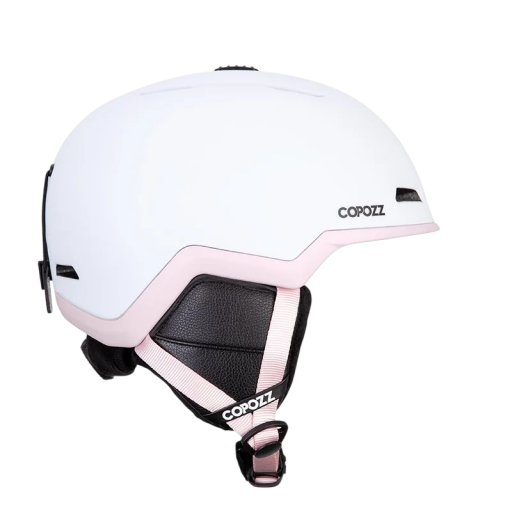
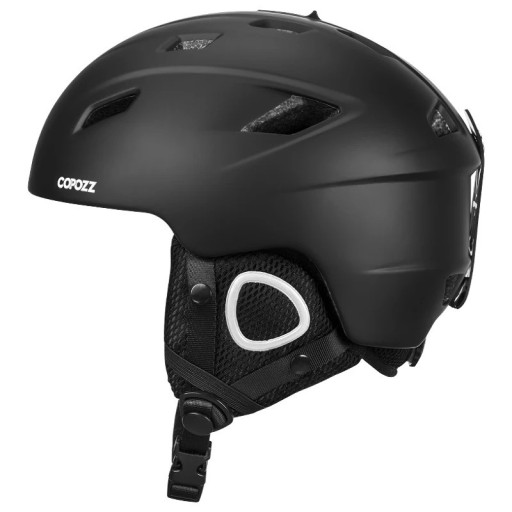
Ski and snowboard helmets
A helmet absorbs the impact of a fall or a collision with another skier and also protects the head from cold and wind. When choosing one, it is therefore worth checking that it meets the European standard EN 1077, which sets out the requirements for helmets used for alpine skiing and snowboarding. Today, ski and snowboard helmets are worn by recreational skiers and snowboarders of all ages.
There are three main types by construction. In-Mold helmets have a thin polycarbonate shell fused to an expanded polystyrene (EPS) core, which makes them light and well ventilated. Hard-shell ABS helmets are more resistant to scratches and minor knocks, but are slightly heavier. Hybrid models combine both technologies. Visor helmets form a separate group: their integrated visor replaces ski goggles, which glasses wearers also appreciate.
More and more models feature a rotational impact protection system such as MIPS. In an angled impact, the inner layer shifts slightly relative to the shell, reducing the strain on the brain. Comfort is improved by adjustable ventilation that can be closed in freezing weather and opened for spring skiing, a removable and washable liner, or detachable ear pads. Some helmets have space for headphones in the ear pads.
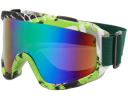
The right size is determined by head circumference, measured with a tape measure about one centimetre above the eyebrows. The helmet should fit snugly and not move when you shake your head, and a dial at the back allows fine adjustment. Compatibility with goggles also matters: there should be no gap between the top edge of the goggles and the helmet, and the goggle strap should stay in the rear clip. After a hard impact, the helmet should be replaced even if no damage is visible.