




























































































Riveting Tools and Equipment
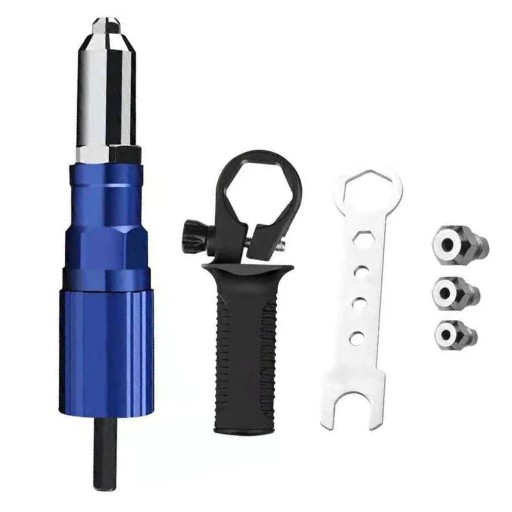
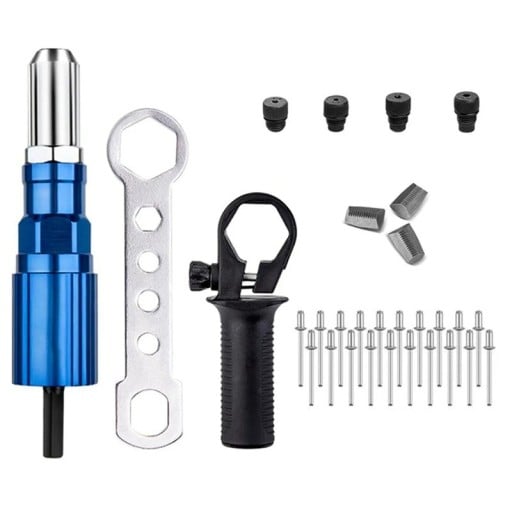
For joining sheet metal, profiles and other materials where a screw or weld cannot be used, riveting tools and equipment are the practical choice. The range covers hand riveters, lever riveters, rivet nut tools, and cordless and pneumatic rivet guns. They are complemented by blind rivets, rivet nuts and replacement nosepieces. There is equipment for occasional repairs in a home workshop as well as for regular work in a garage or body shop, or when installing ventilation systems.
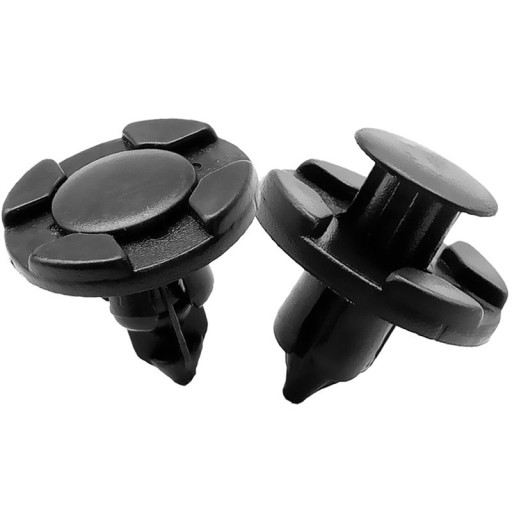
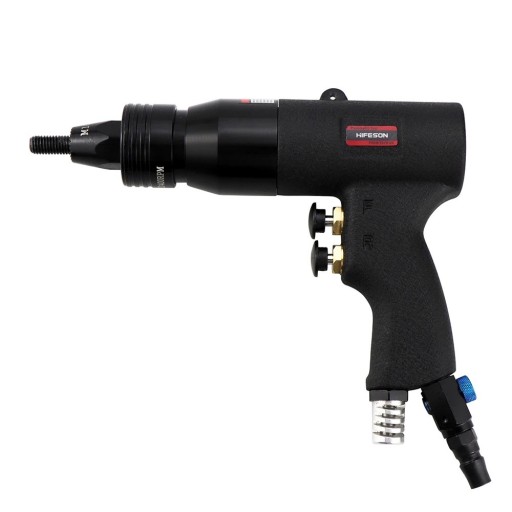
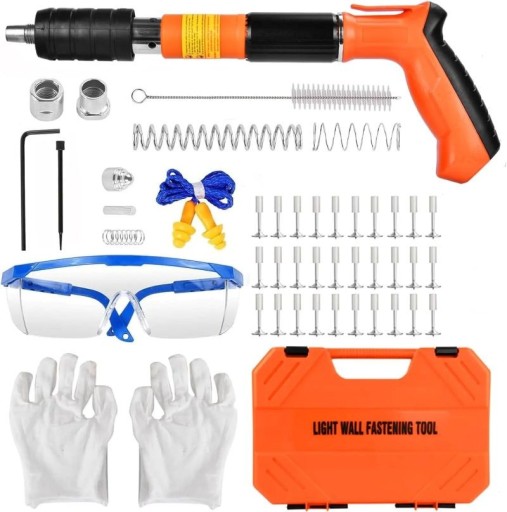
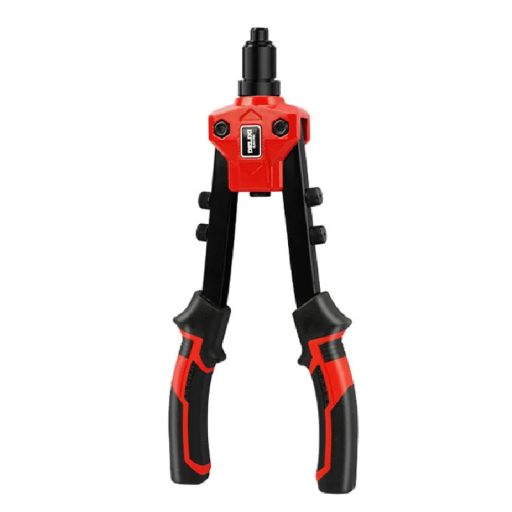
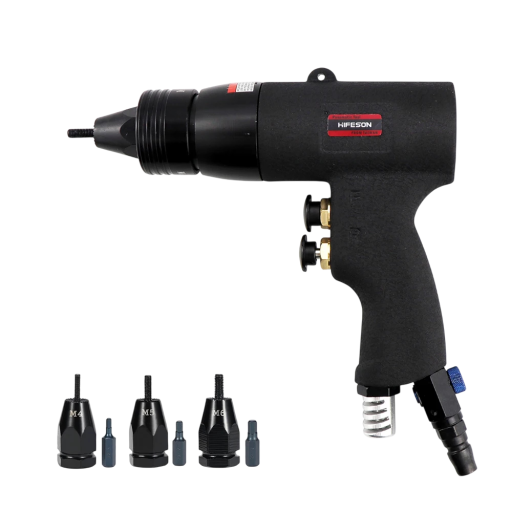
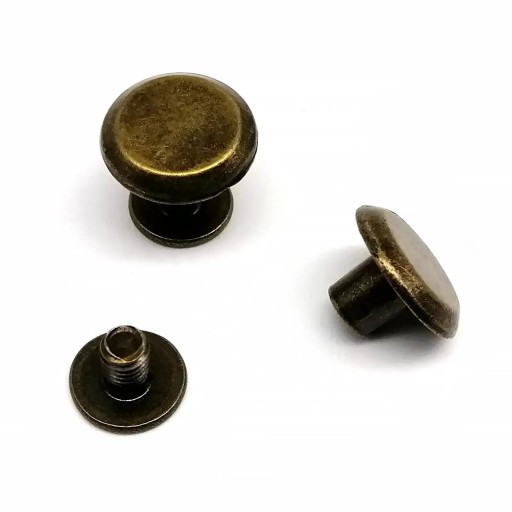
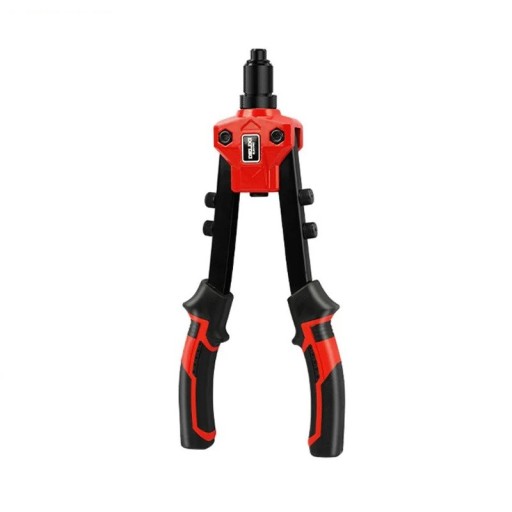
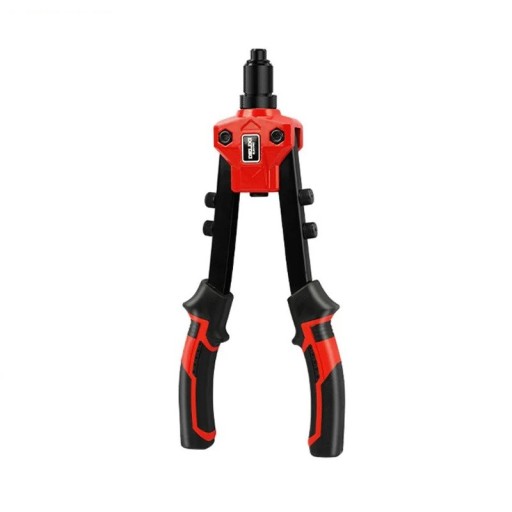
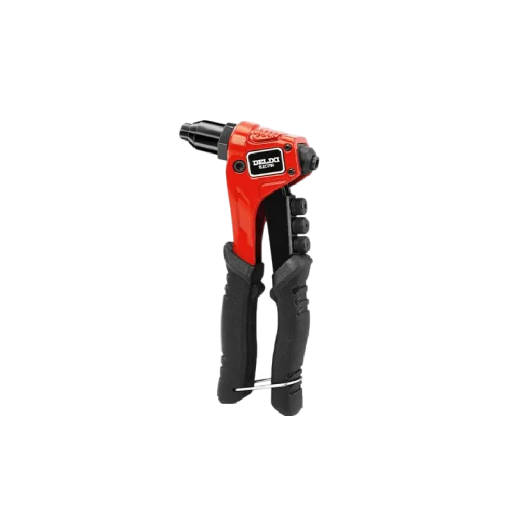
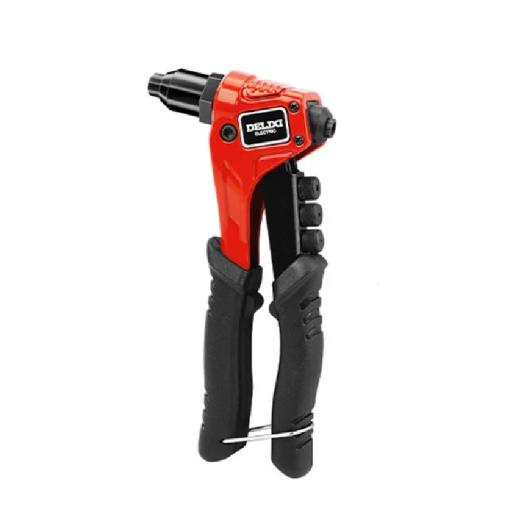
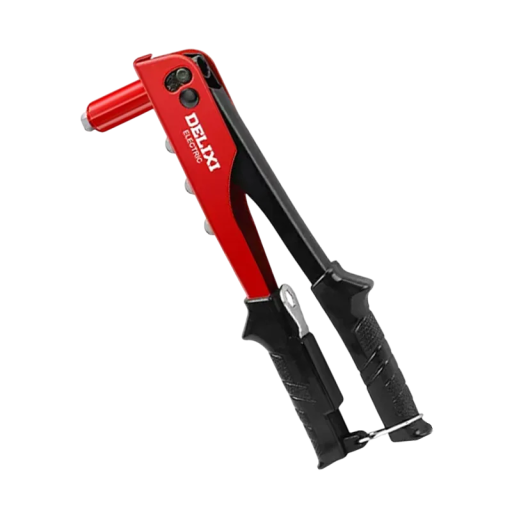
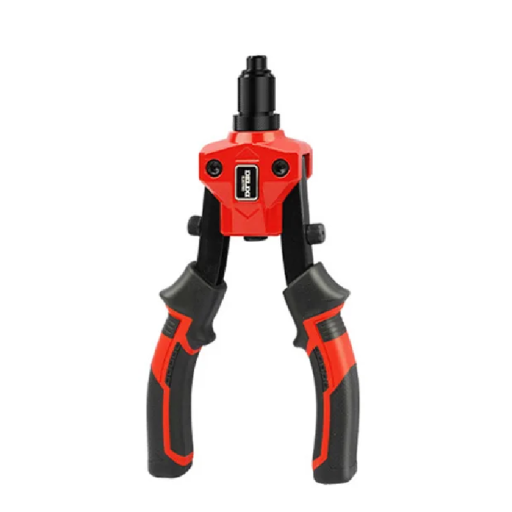
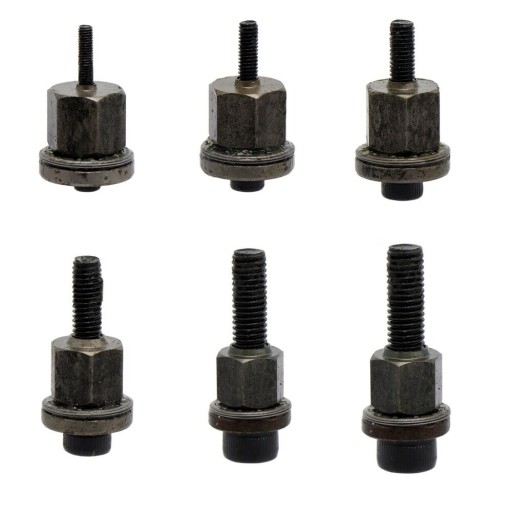
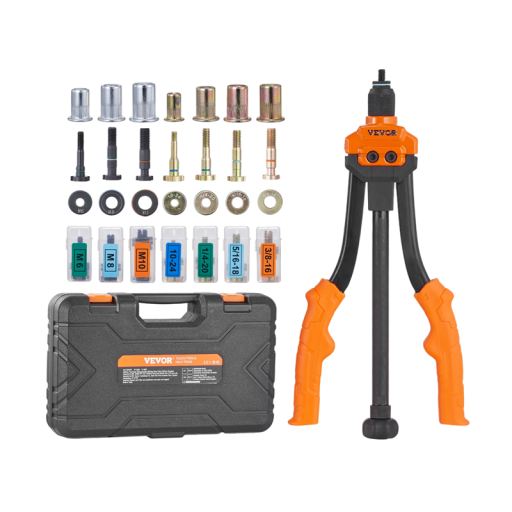
Riveting Tools and Equipment
Riveting is one of the fastest ways to permanently join two or more parts made of sheet metal, aluminium, plastic or composite. A major advantage is that the joint is made from one side, so there is no need to reach the back of the material. That is why riveting tools and equipment are used in bodywork repairs, the production of gutters and metal flashing, trailer building, the installation of ventilation ducts and everyday workshop jobs.
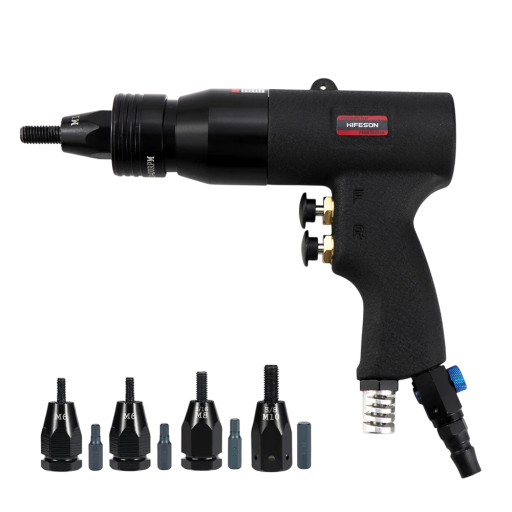
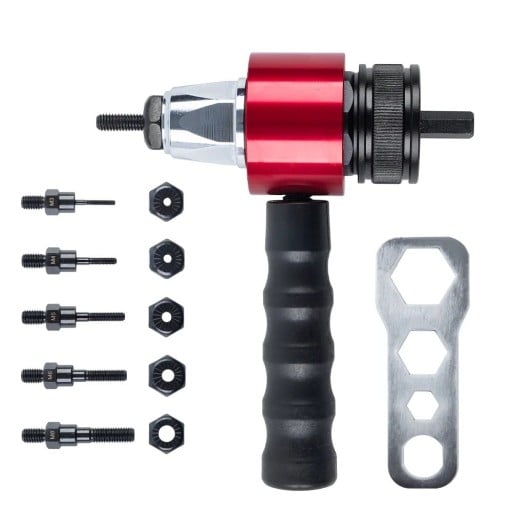
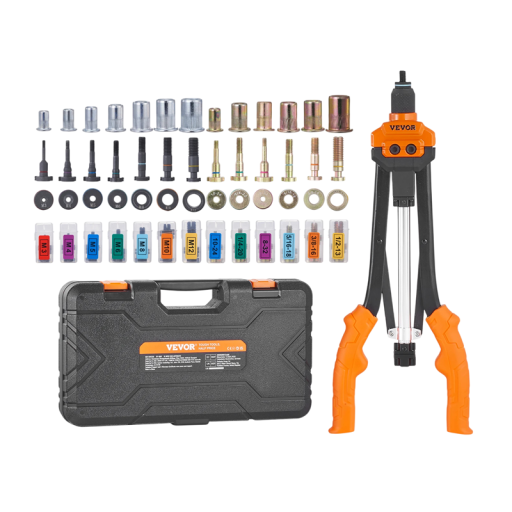
The basic choice is hand riveters, which handle blind rivets of smaller diameters, usually 2.4 to 4.8 mm. For thicker steel or stainless steel rivets, lever riveters with long arms are more suitable, as they reduce the force required. A separate group consists of rivet nut tools, which create a strong thread in thin material for bolts from M3 to M10. When there are many joints to make, cordless and pneumatic riveters save time and effort by setting the rivet with a single pull of the trigger.
When choosing, it helps to start with the diameter and material of the rivets used most often. Aluminium rivets require less force, while steel and stainless rivets call for a sturdier tool. Models with a swivel head for working in tight spaces and with a set of interchangeable nosepieces for different sizes are practical. For cordless riveters, battery capacity and compatibility with other tools in the same range are decisive; for pneumatic ones, the output of the compressor. A collection container for broken-off mandrels is also worth considering, as it keeps the workspace clean.
Besides the tool itself, it is useful to keep consumables at hand. Blind rivets differ in diameter, body length, head shape and material, and the length is chosen according to the total thickness of the parts being joined. Rivet nuts are selected by thread size, material thickness and the shape of the flange and body, for example with a flat or countersunk flange and a smooth or knurled body. A correctly chosen combination of tool and rivet ensures a strong, neat joint without damaging the surrounding material.