





























































































































Solar combiner and junction boxes
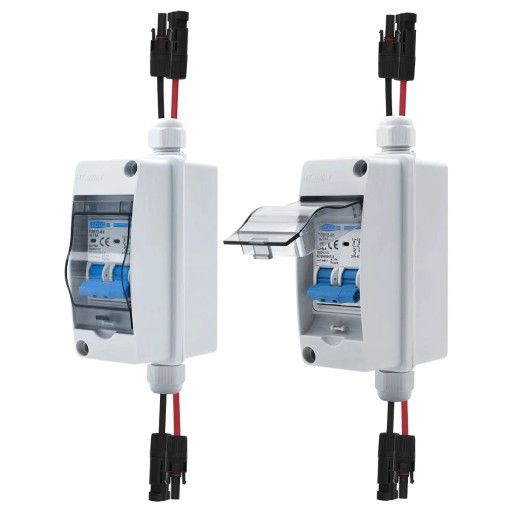
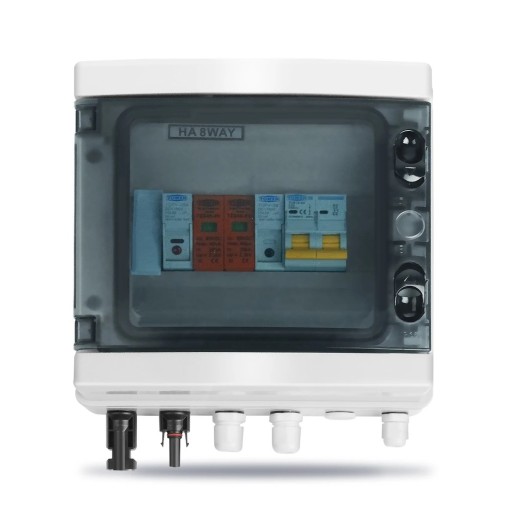
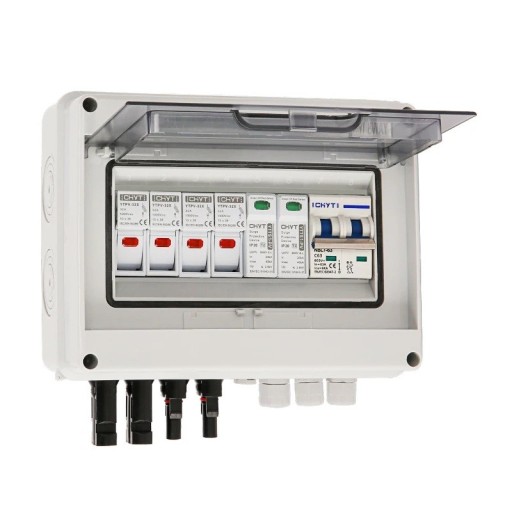
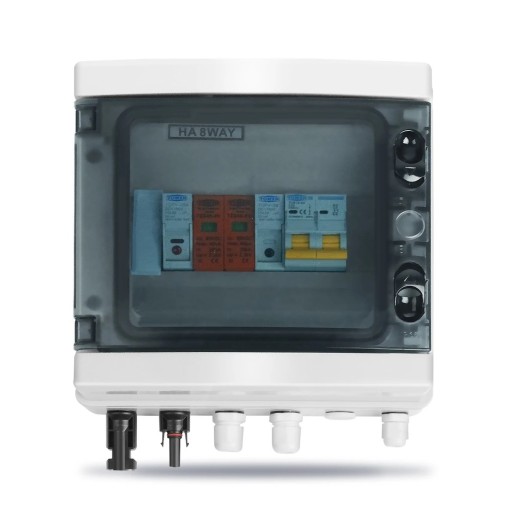
The clear and safe connection of a photovoltaic system is handled by combiner and junction boxes, which bring together the cables from several panel strings at a single point before the inverter. Inside there are fuses, disconnectors and surge protectors, so the box also serves as a protection and distribution node. Solar combiner and junction boxes differ in the number of inputs, the degree of moisture protection (IP) and the equipment, so they are chosen according to the size of the installation and the mounting location.
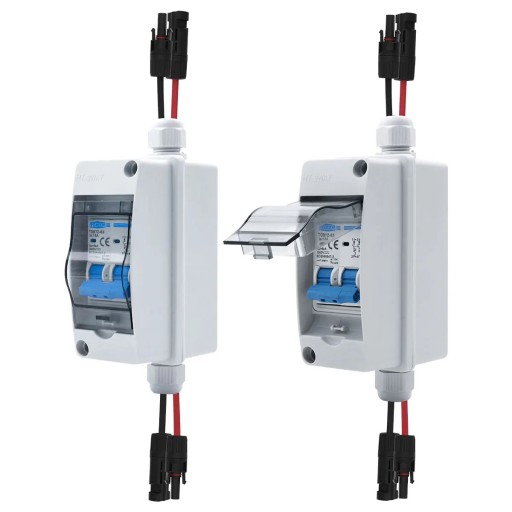
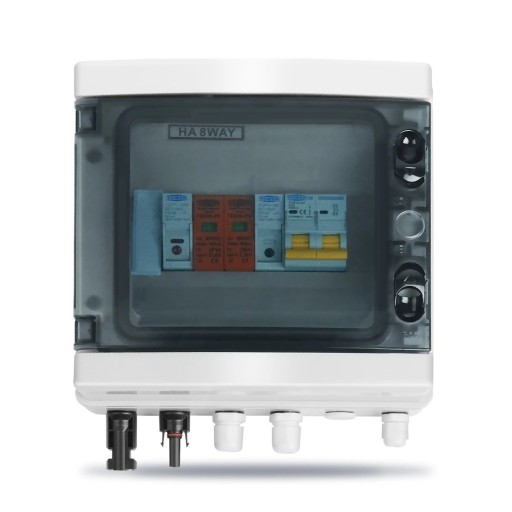
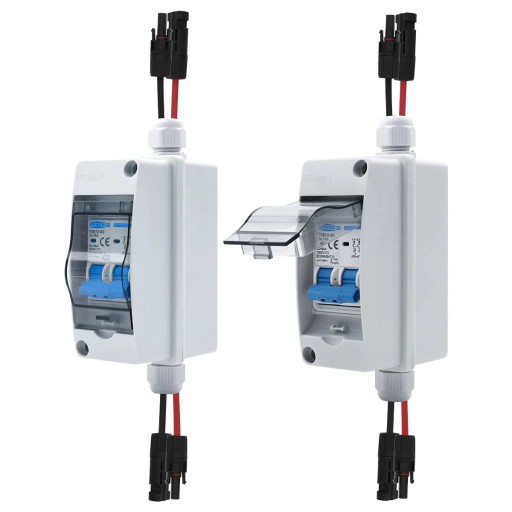
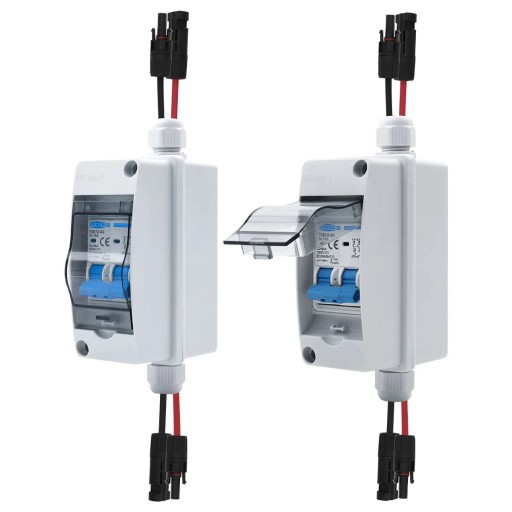
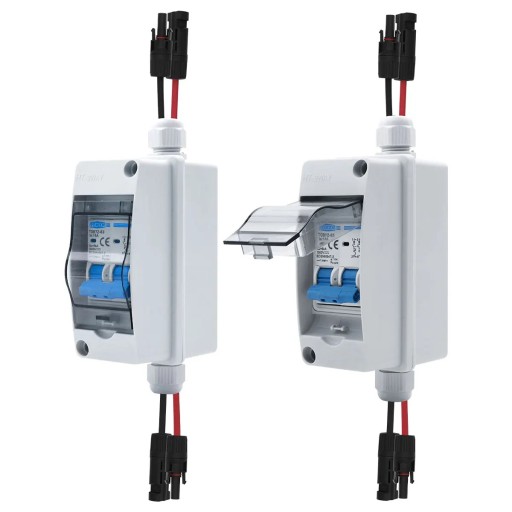
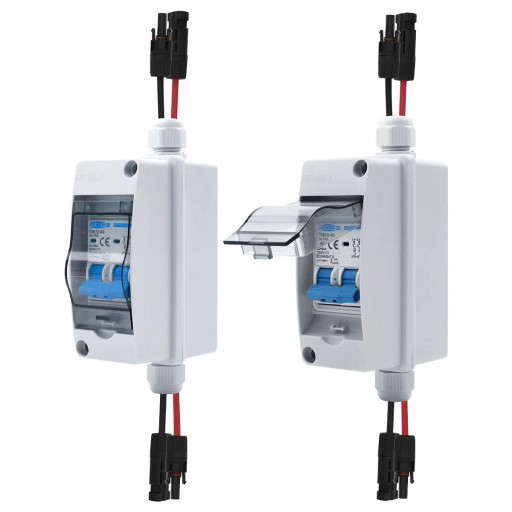
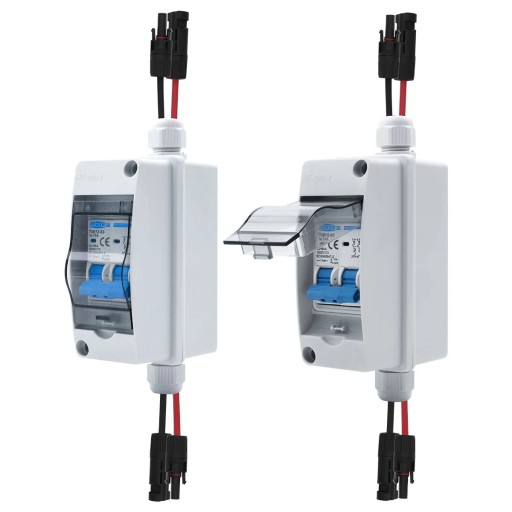
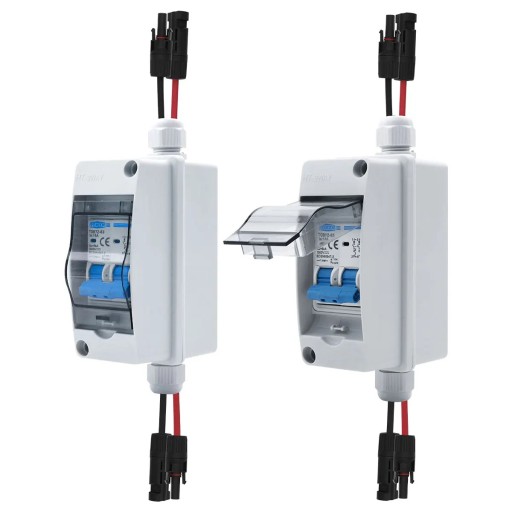
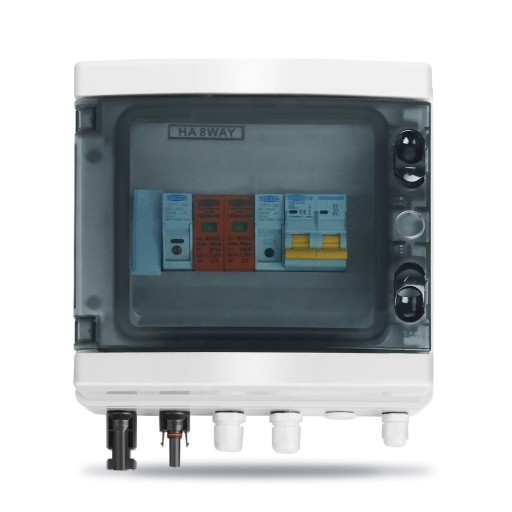
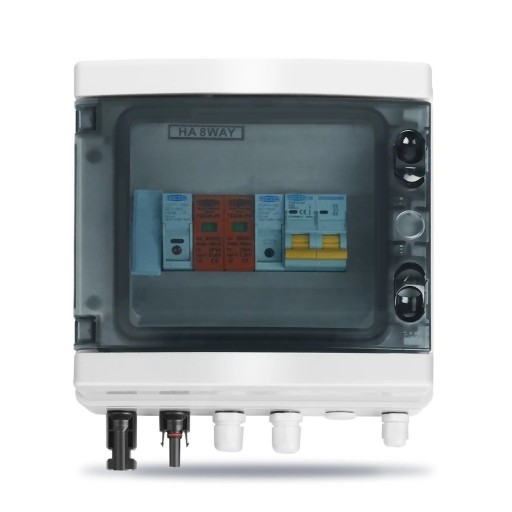
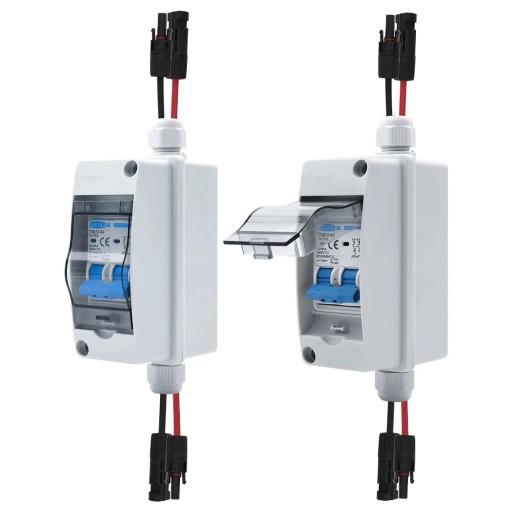
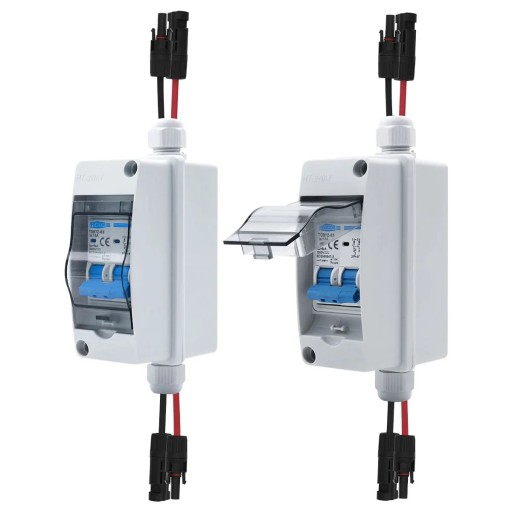
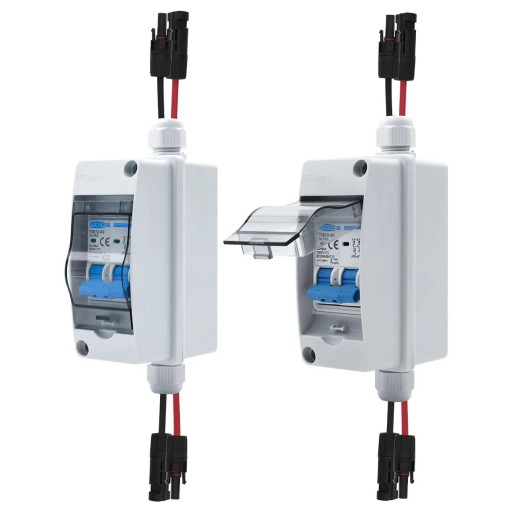
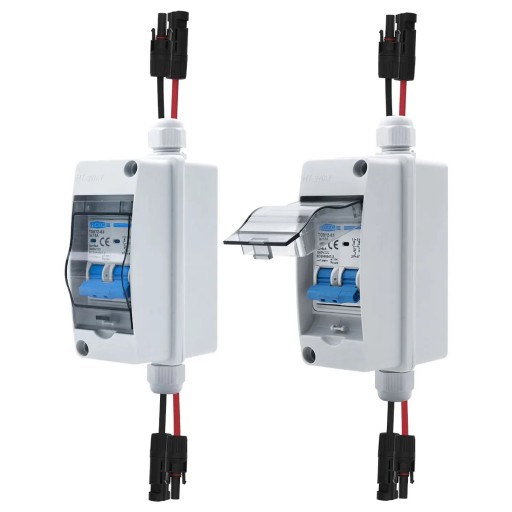
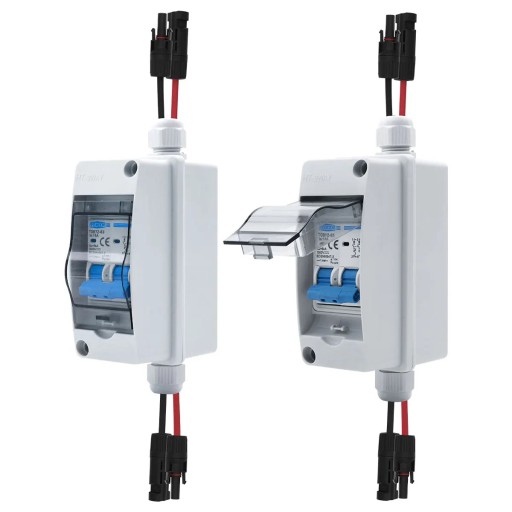
Solar combiner and junction boxes
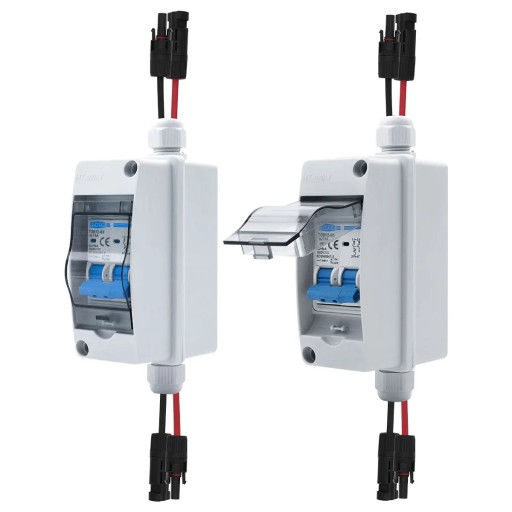
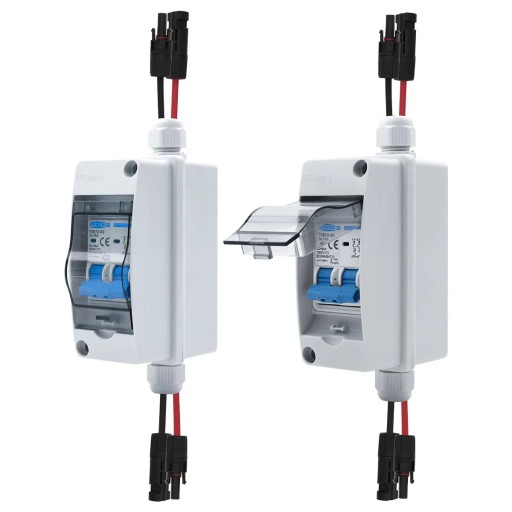
In larger photovoltaic systems, several parallel strings run from the panels and need to be brought together clearly and safely before they reach the inverter. This is the job of the combiner box, while the junction box is a protected place for electrical connections and the branching of the wiring. Both elements make the installation clearer, protect the connections from moisture and ease later servicing. Without a central combiner box, the wiring of larger systems would be harder to keep track of and faults harder to locate.
Beyond the connection itself, the box is usually fitted with protective elements. String fuses and their holders protect the individual strings against overcurrent, a DC disconnector makes it possible to safely isolate the whole array and a surge protector diverts voltage spikes during a storm. Inside there are also busbars, cable glands and terminals for a tidy and reliable connection of the conductors.
The boxes differ above all in the number of inputs, that is, how many strings they can bring together, as well as in the maximum current and voltage. The IP rating matters, since they are often mounted outdoors and must withstand rain and dust — for outdoor use at least IP65 is chosen. More robust versions have metal enclosures and rails for DIN-rail components and also differ in whether the protective elements are already fitted or are added as needed.
The choice depends on the number of panel strings, the rated current and the mounting conditions. For smaller systems a simpler junction box is enough, while for larger arrays a combiner box with several inputs and full protective equipment is used. A well-chosen combiner box shortens and tidies the wiring, concentrates the protection in one place and makes inspections and any later expansion easier. Quality solar combiner and junction boxes thus contribute to safe and long-term reliable operation of the whole photovoltaic system.