


















































































Batteries for solar systems
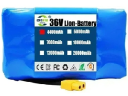
Storing the energy from solar panels is handled by batteries, which keep the surplus electricity produced for later use — in the evening, at night or under a cloudy sky. Gel, AGM and modern lithium (LiFePO4) batteries are available in various capacities and voltages of 12 V, 24 V and 48 V. Batteries for solar systems differ in lifespan, depth of discharge and price, so the choice depends on the size of the photovoltaic setup and how it is used.
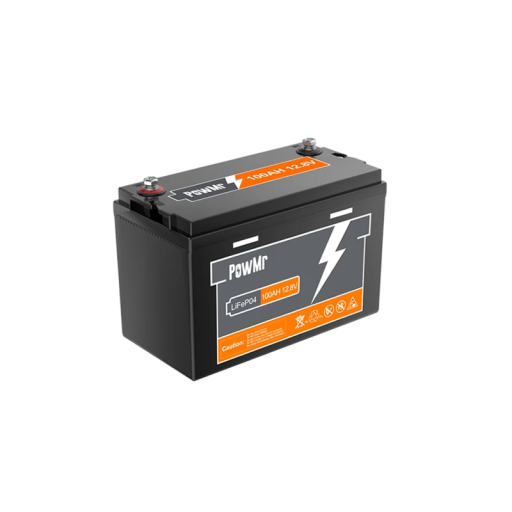
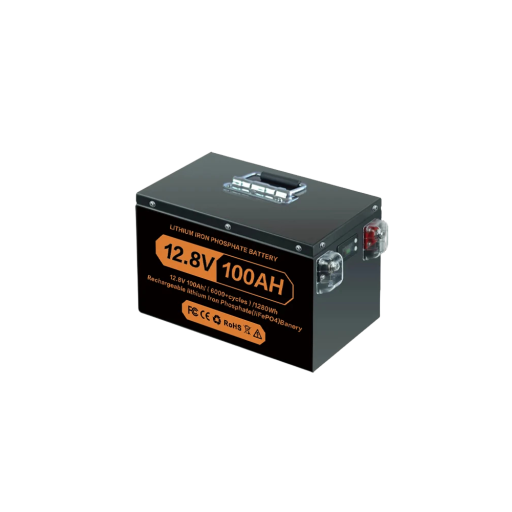
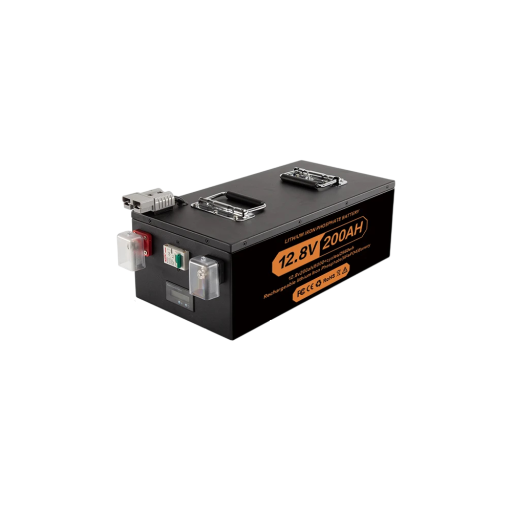
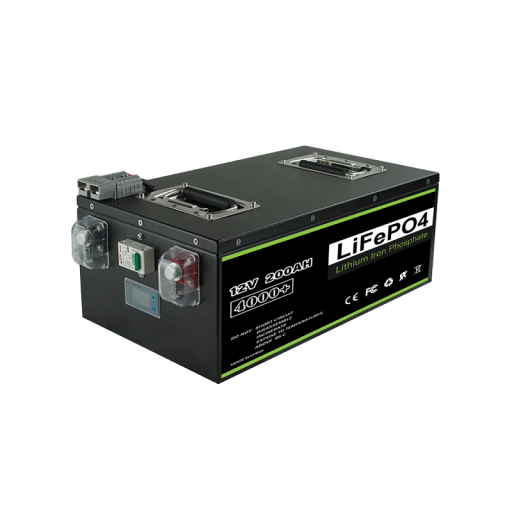
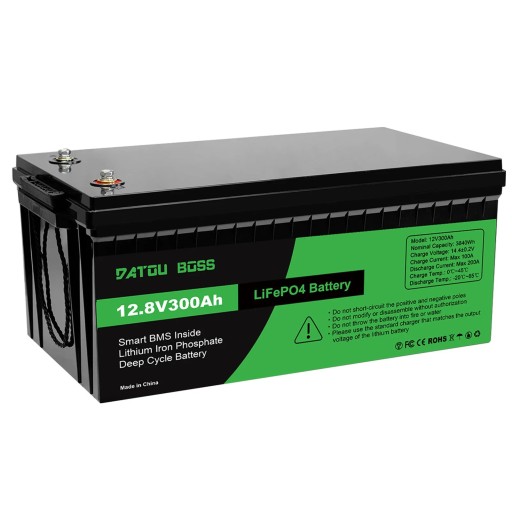
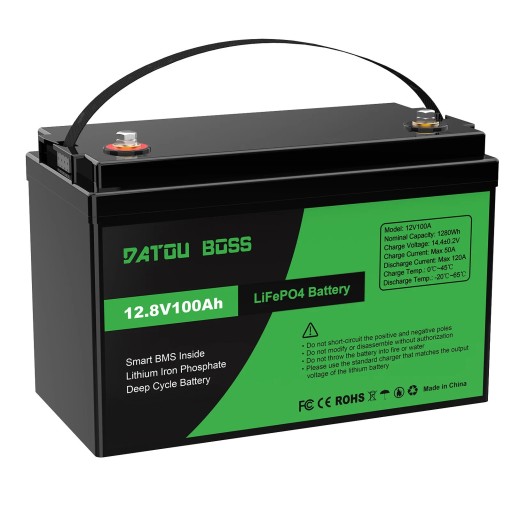
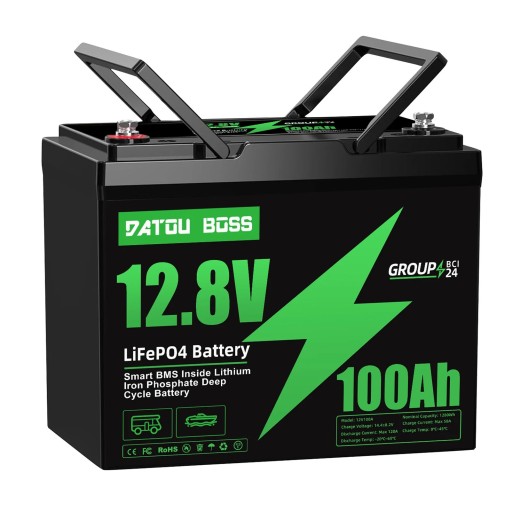
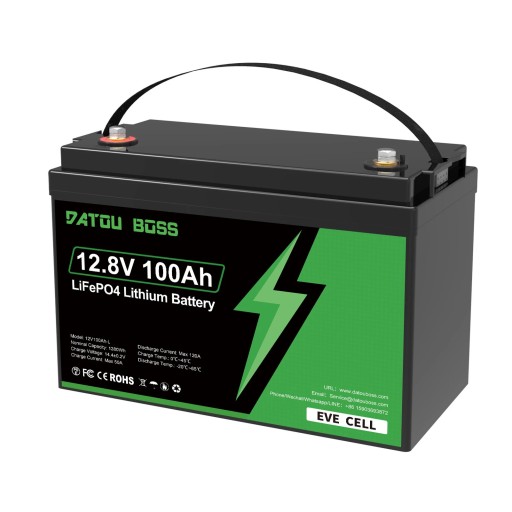
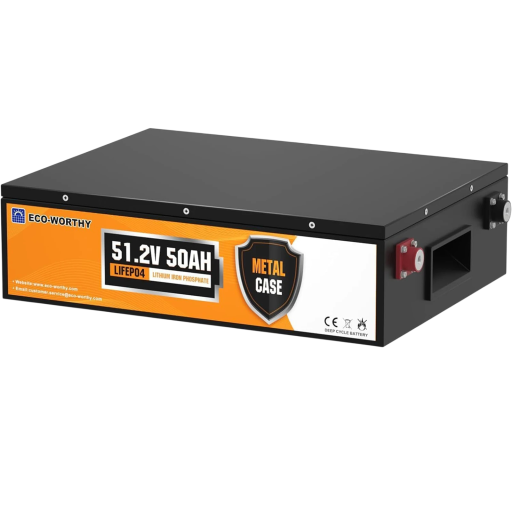
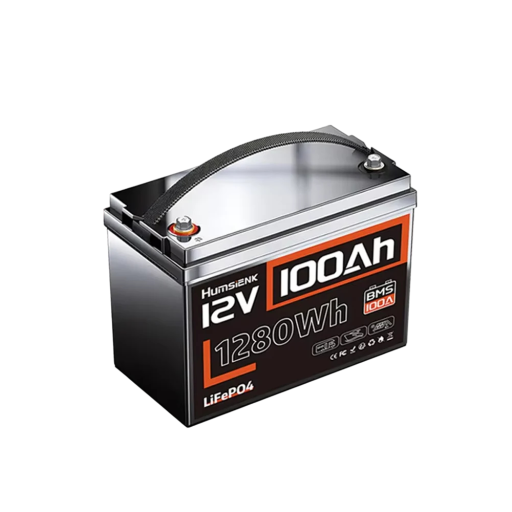
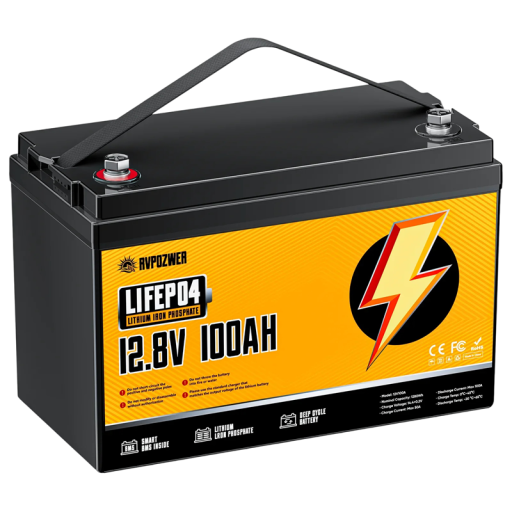
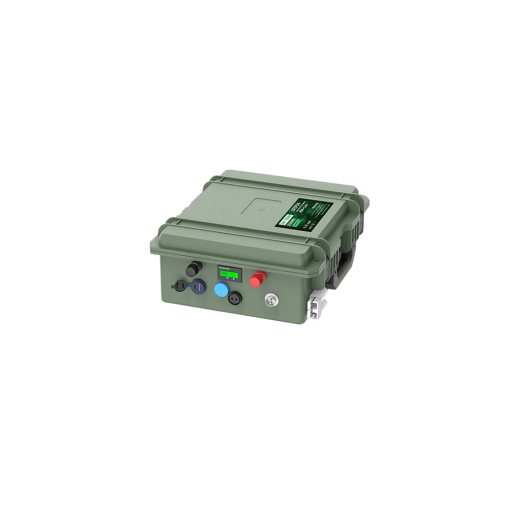
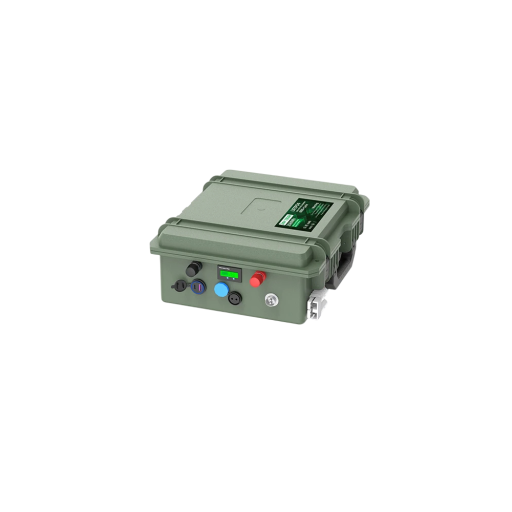
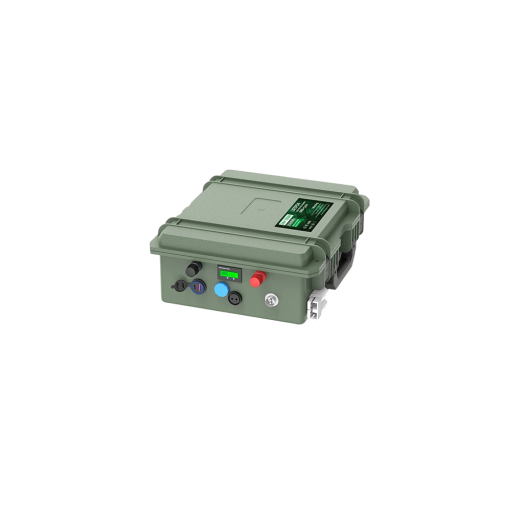
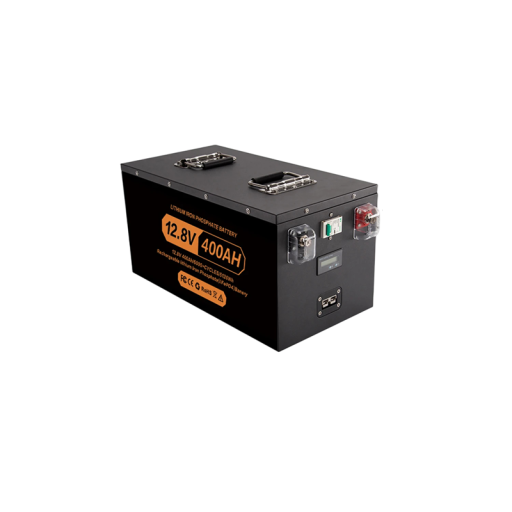
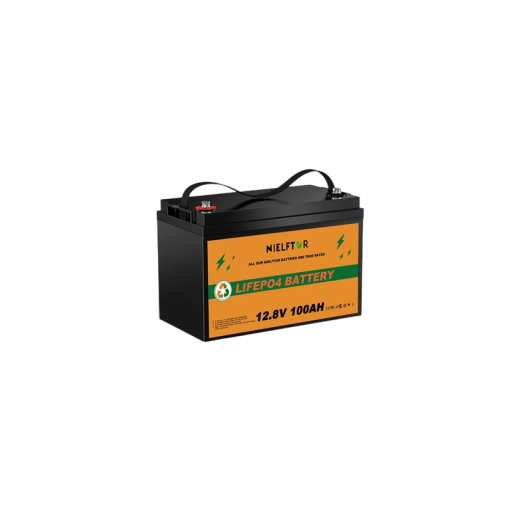
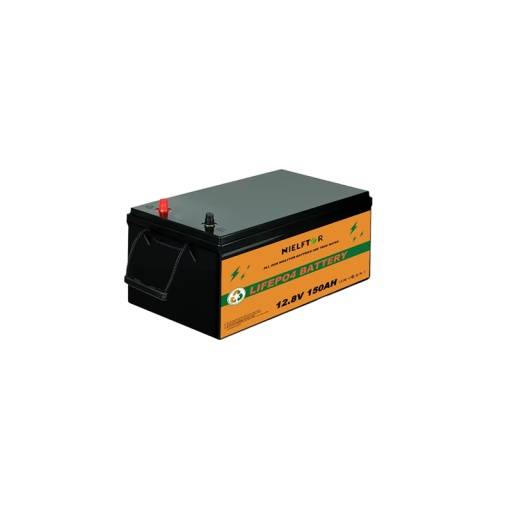
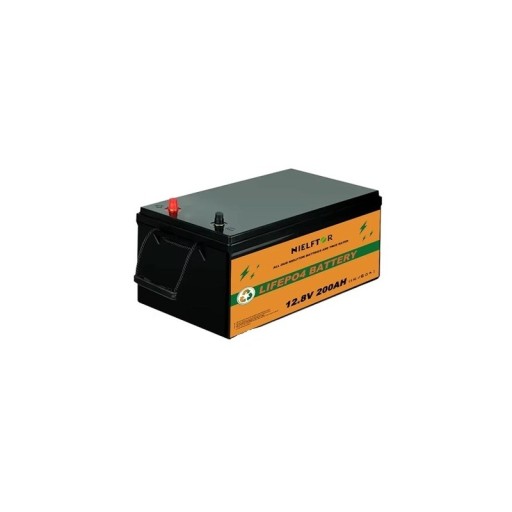
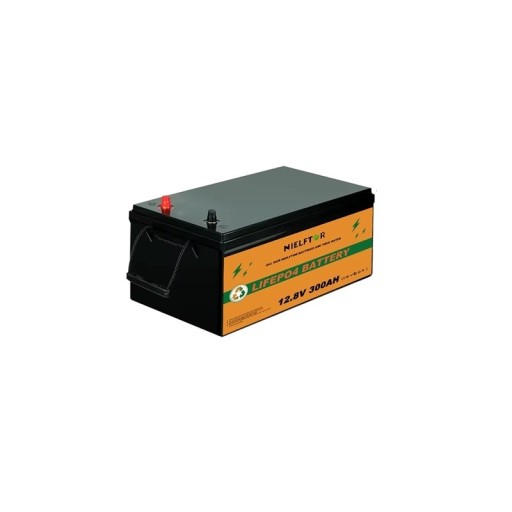
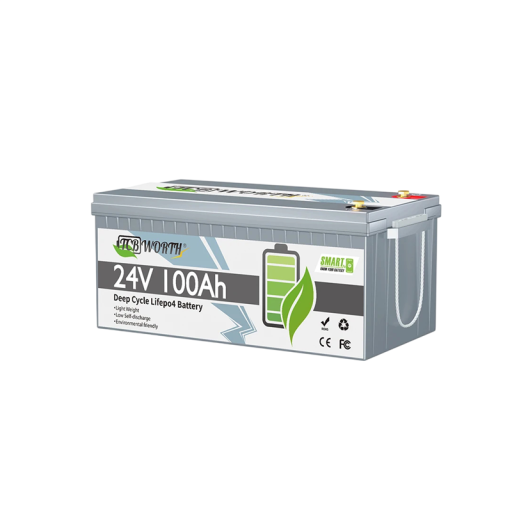
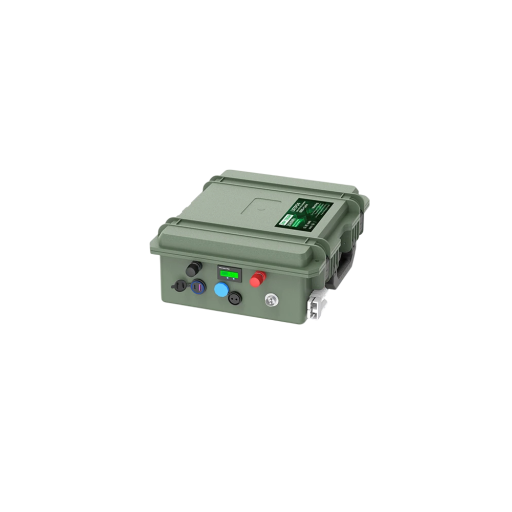
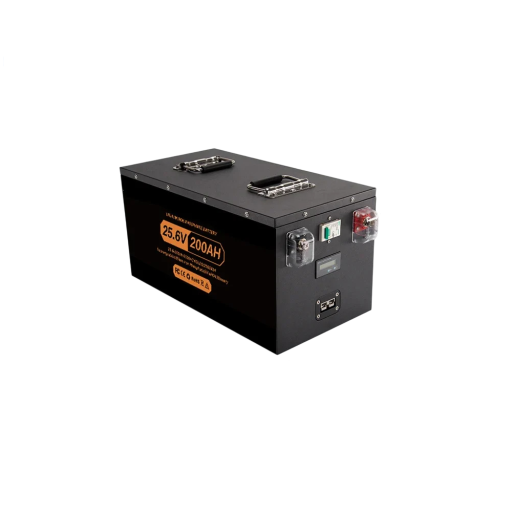
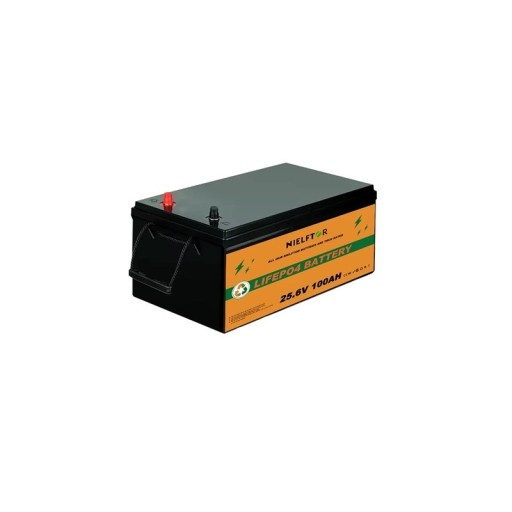
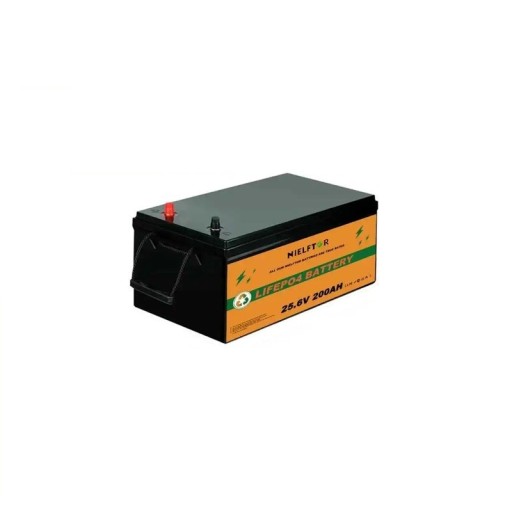
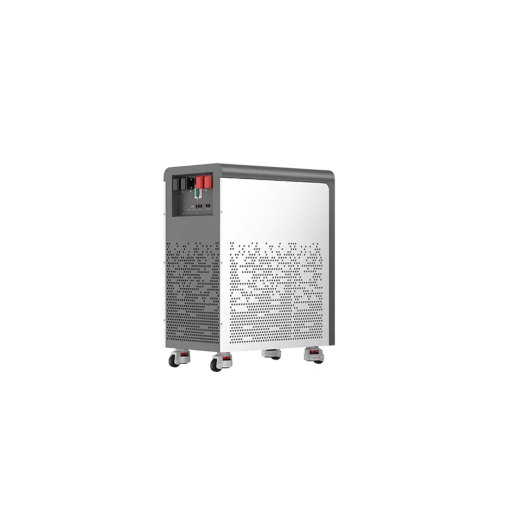
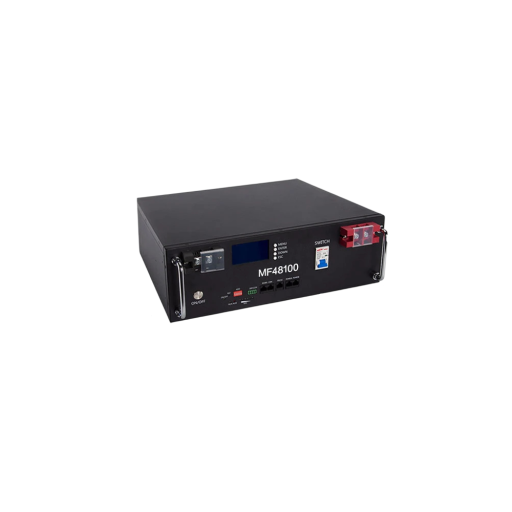
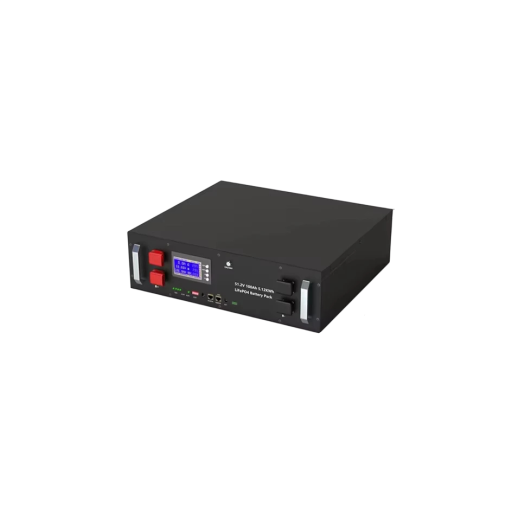
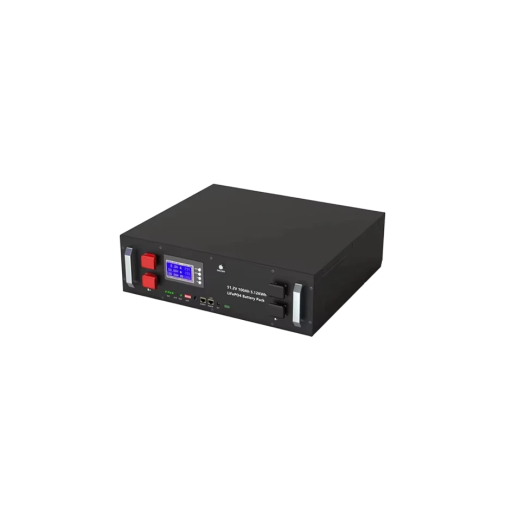
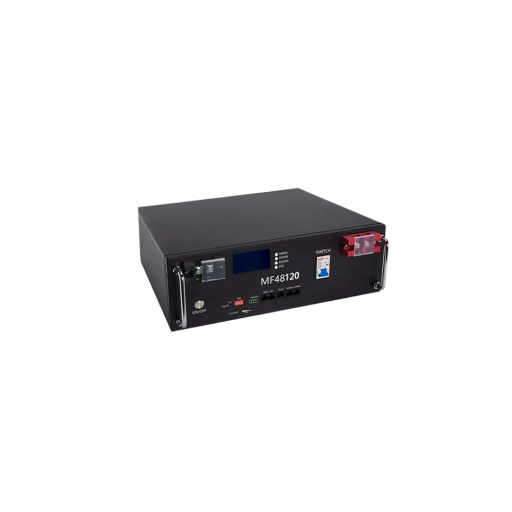
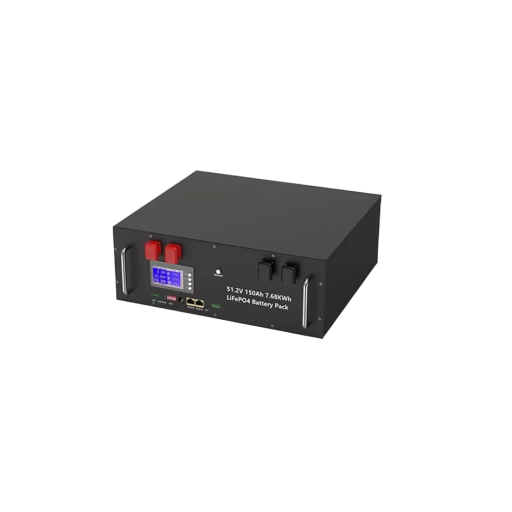
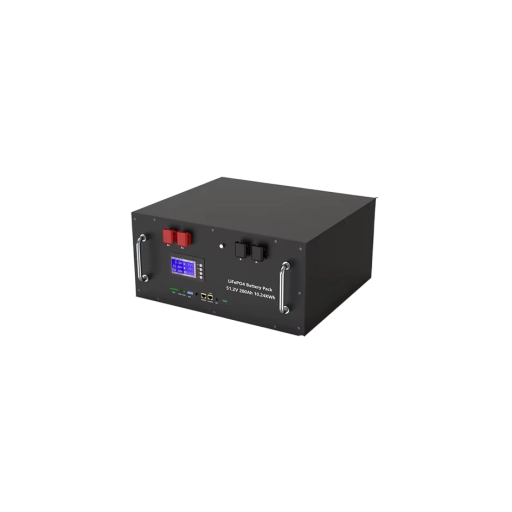
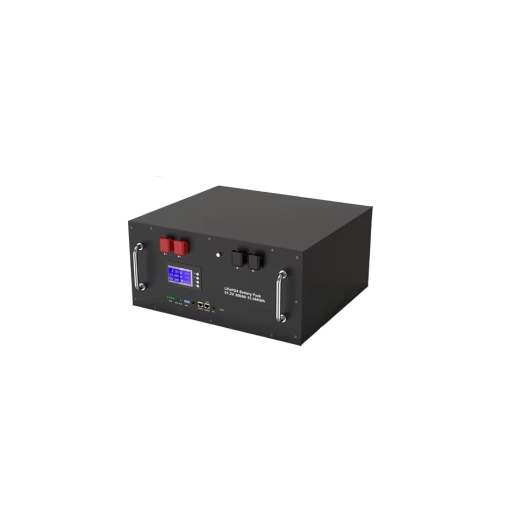
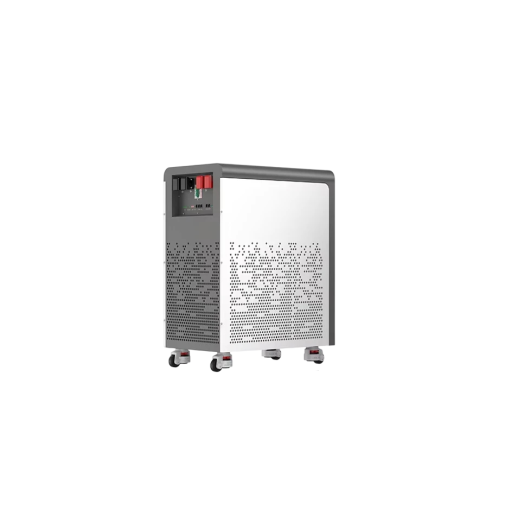
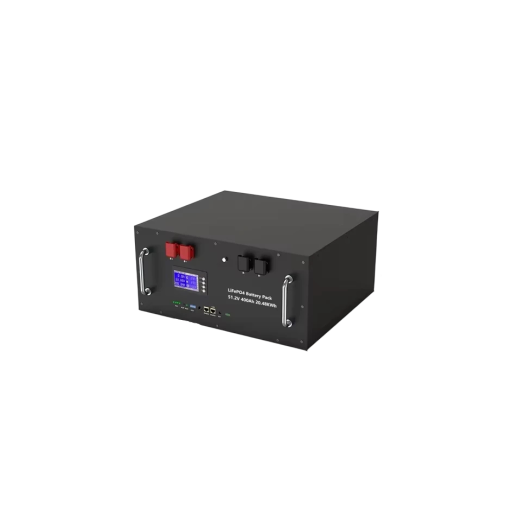
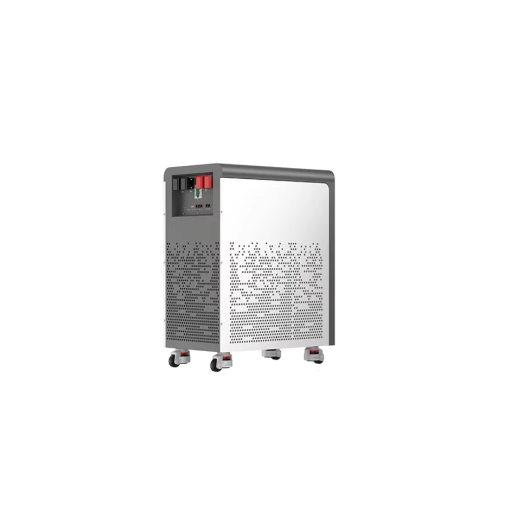
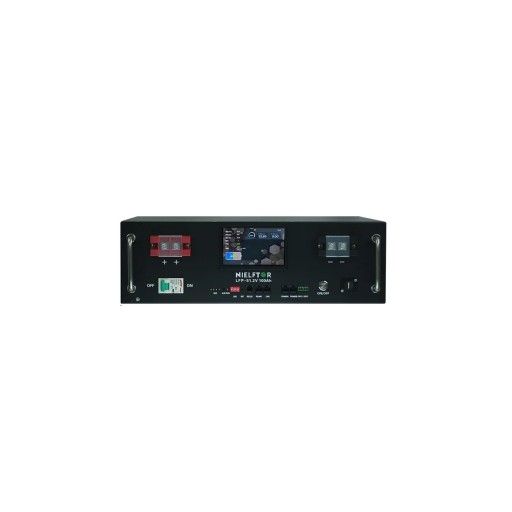
Batteries for solar systems
A solar setup often produces more energy than is being consumed at the time. So that this electricity is not wasted, it is stored in batteries and drawn from them when the panels do not supply enough power. That is exactly why energy storage forms the basis of off-grid and hybrid systems.
You will most often come across three types. Gel batteries are durable and maintenance-free, suitable for cabins and backup sources. AGM batteries handle higher currents and faster charging. Lithium LiFePO4 batteries offer the highest number of charging cycles, lower weight and the option of deeper discharge, thanks to which they last considerably longer than lead types.
The choice is determined by the system voltage, usually 12 V, 24 V or 48 V, and the capacity given in amp-hours (Ah), which sets how much energy the cell holds. The depth of discharge also matters — the larger the share of capacity that can be safely used, the fewer cells are needed. Batteries for solar systems are designed for slow, cyclic charging and discharging, which sets them apart from starter batteries.
It is advisable to match the capacity to the power of the panels, the type of charge controller (PWM or MPPT) and the inverter. For weekend use at a cabin a single battery is usually enough, while for year-round operation the cells are connected into larger banks. A properly chosen storage system keeps the electricity supply stable even during sunless periods and extends the lifespan of the whole system.