


















































Casters for chairs and furniture
Small wheels that let chairs and furniture slide easily across the floor. Casters for chairs and furniture include swivel and fixed casters, versions with a brake, with a stem and with a mounting plate, and materials for hard floors and carpet. They differ in diameter, fitting type, load capacity and surface, so you replace the worn casters on an office chair and add mobility to a cabinet, pedestal or bed.
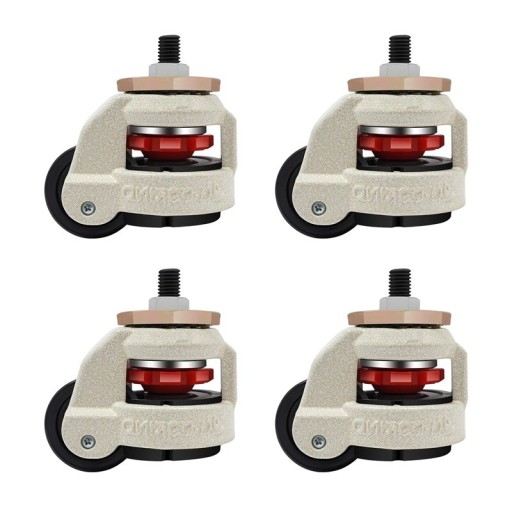
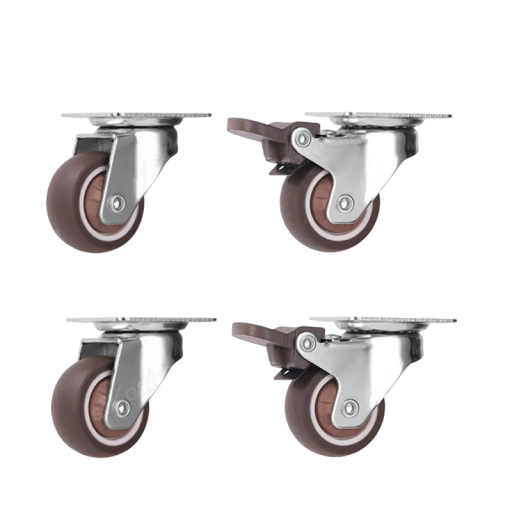
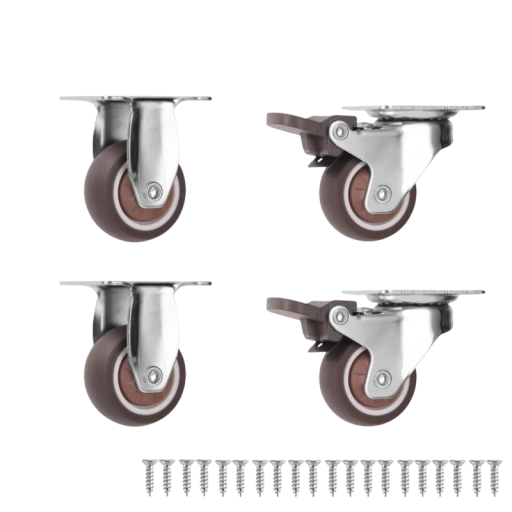
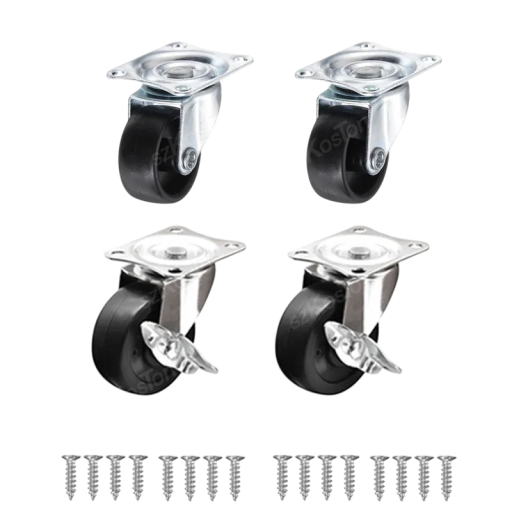
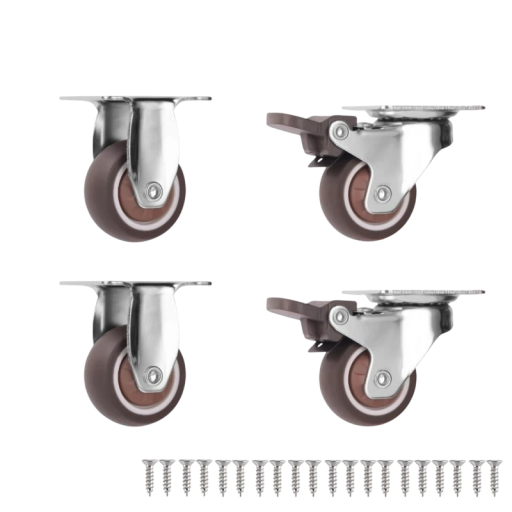
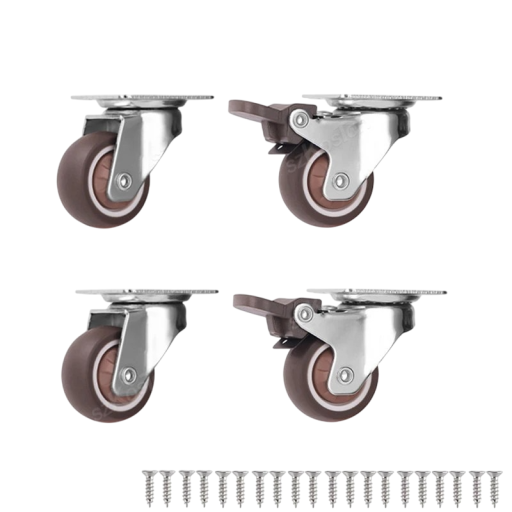
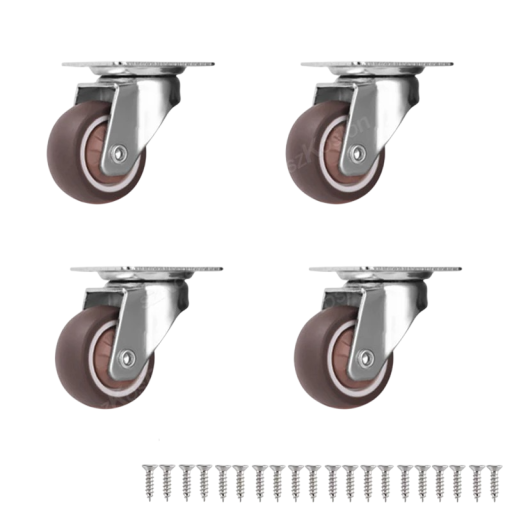
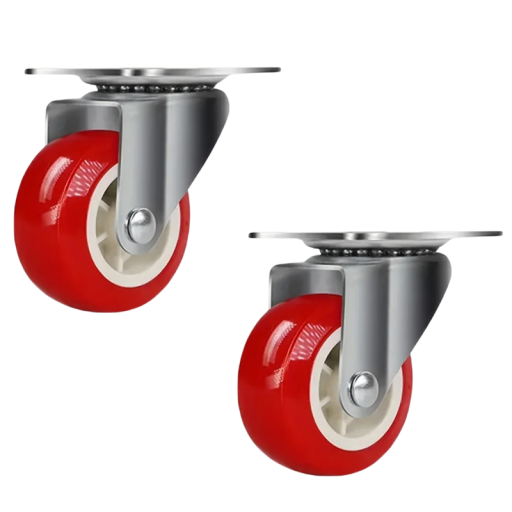
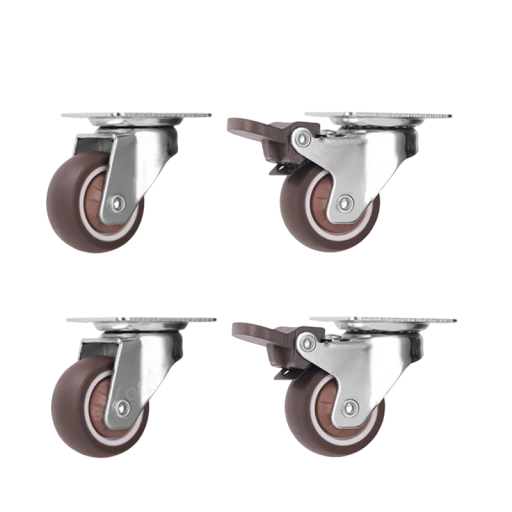
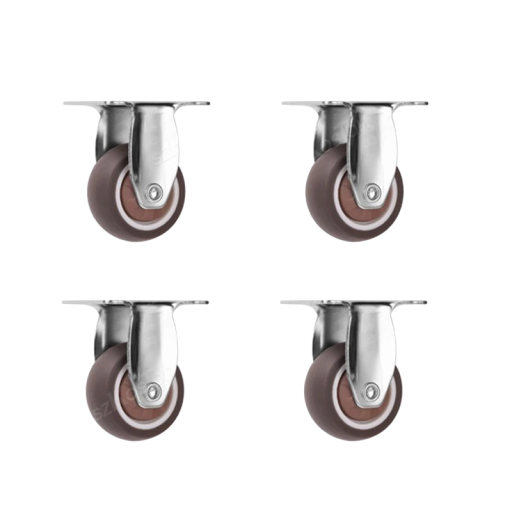
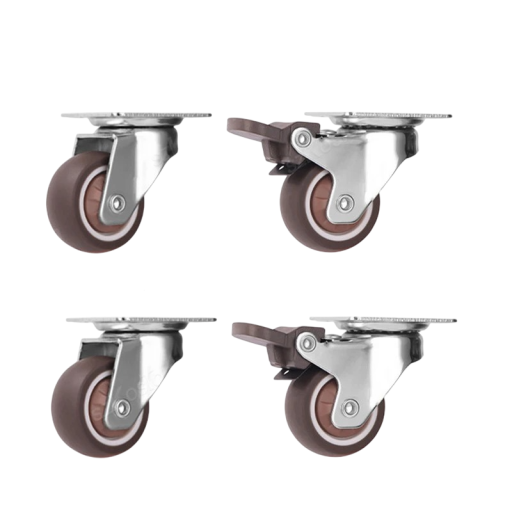
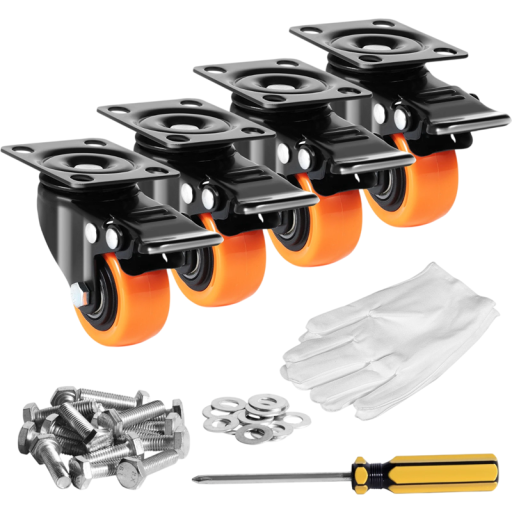
Casters for chairs and furniture
A caster turns a fixed piece of furniture into a mobile one — it makes cleaning, rearranging and daily work at the desk easier. Casters for chairs and furniture serve as a replacement for worn casters and as an add-on for parts without wheels, from office chairs to cabinets, pedestals and beds. They are chosen by fitting type, diameter, load capacity and floor surface.
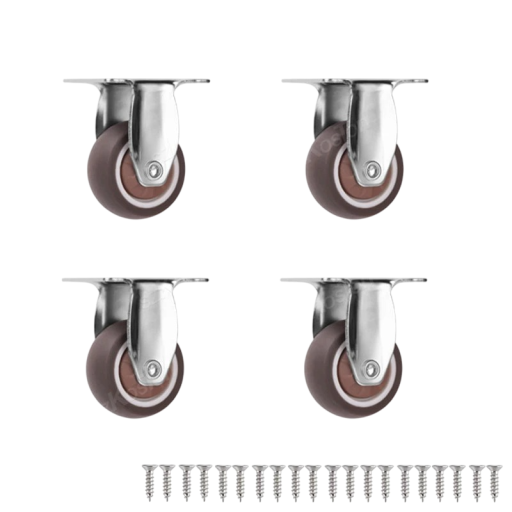
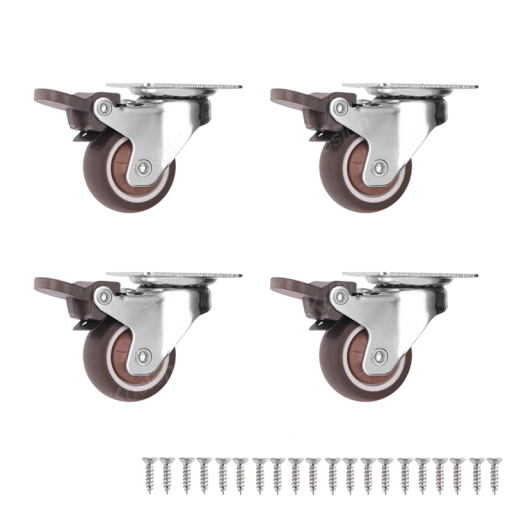
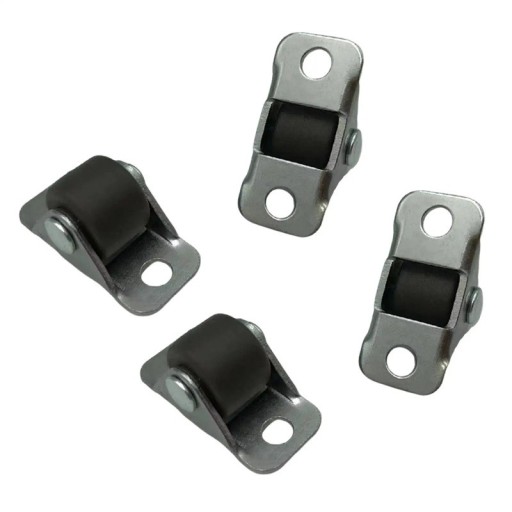
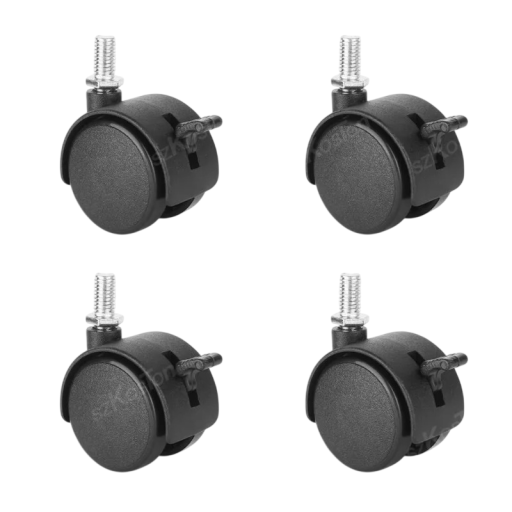
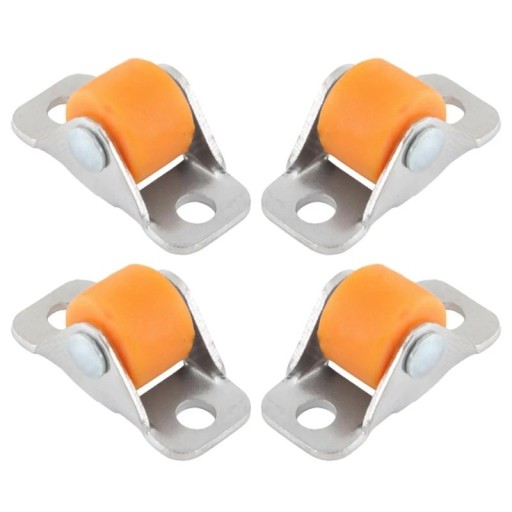
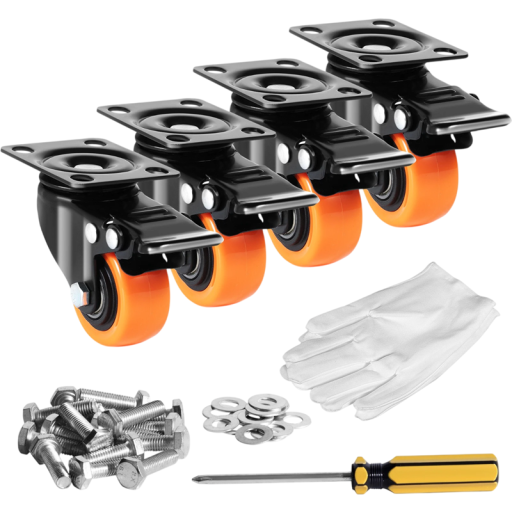
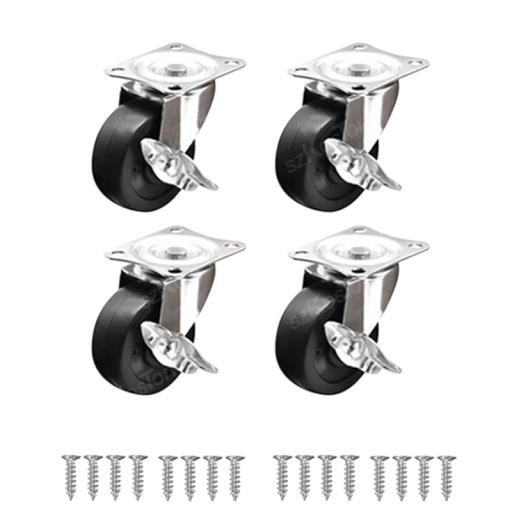
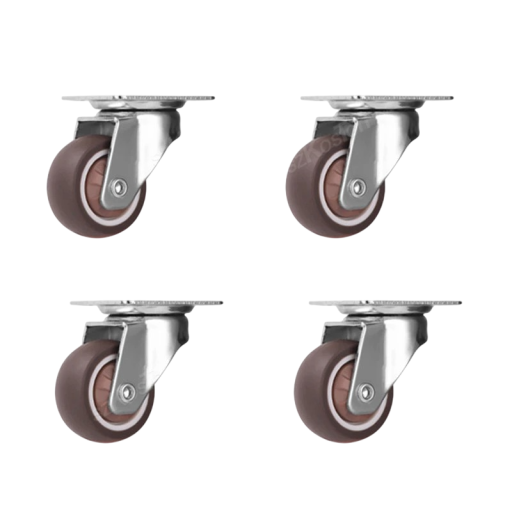
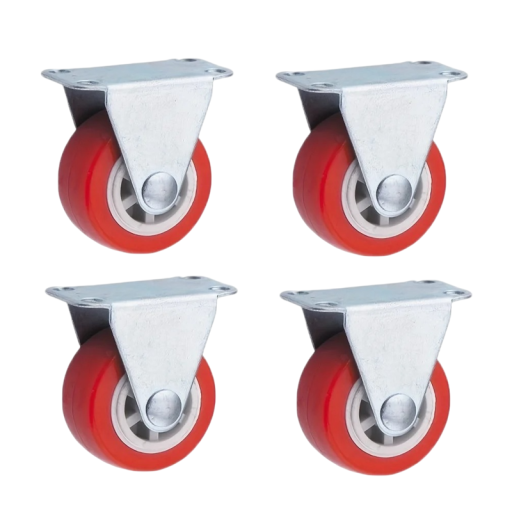
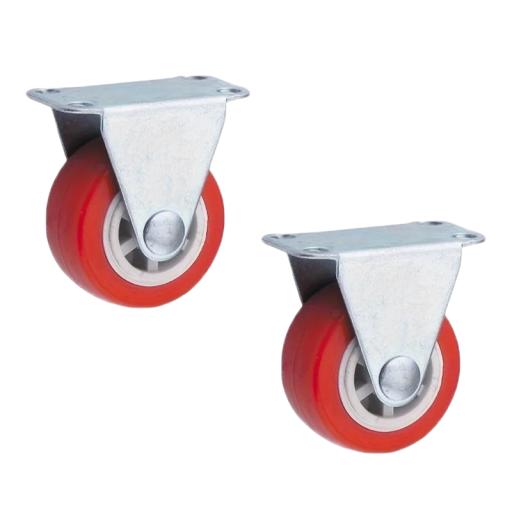
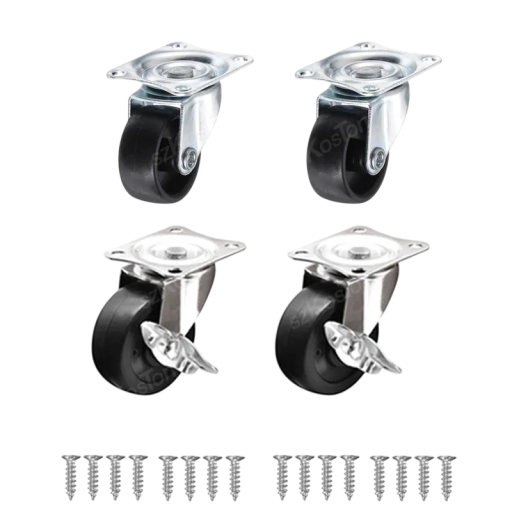
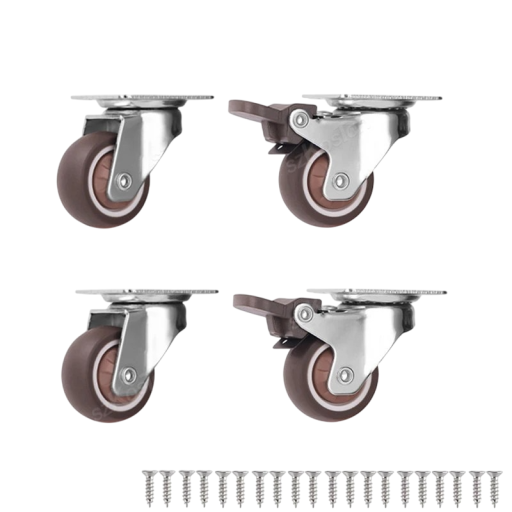
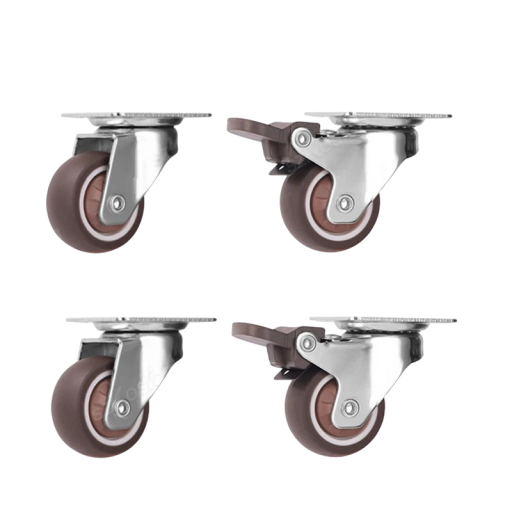
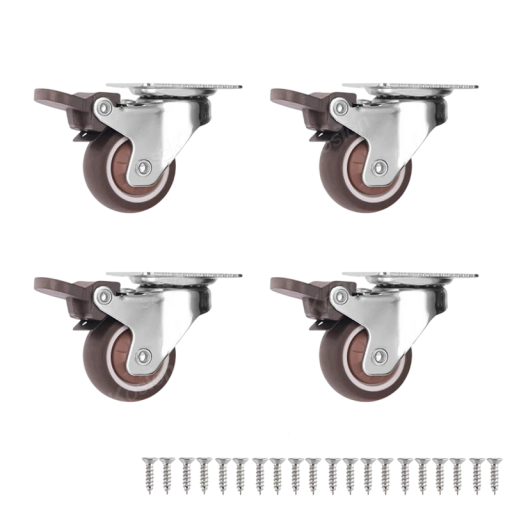
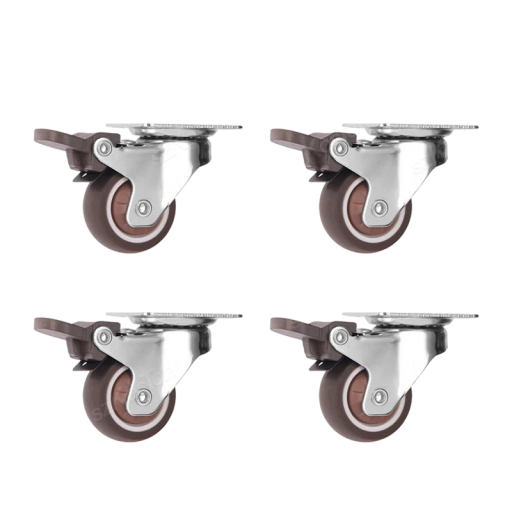
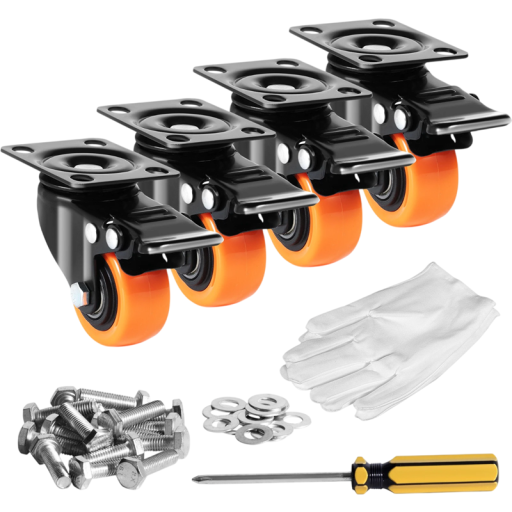
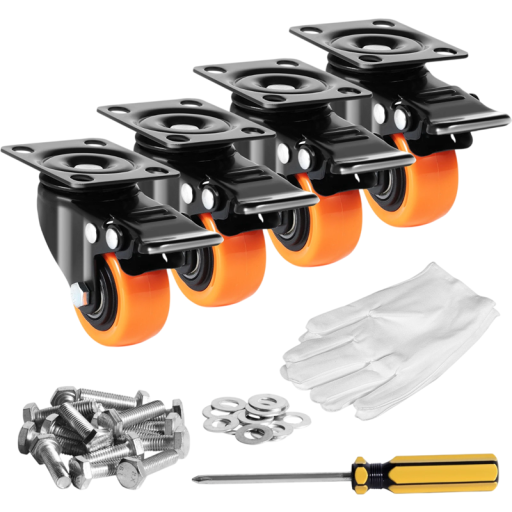
By movement they split into swivel and fixed casters. Swivel casters turn around the vertical axis and change direction, so they are easy to steer, while fixed casters hold one direction and suit longer pieces for straight travel. Versions with a brake lock the caster and the whole piece of furniture in place so it does not roll away on its own.
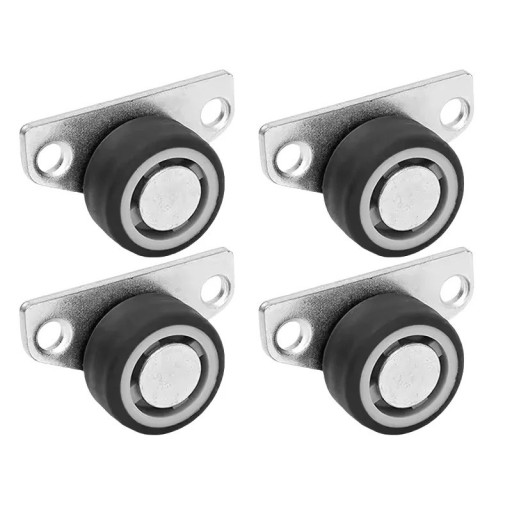
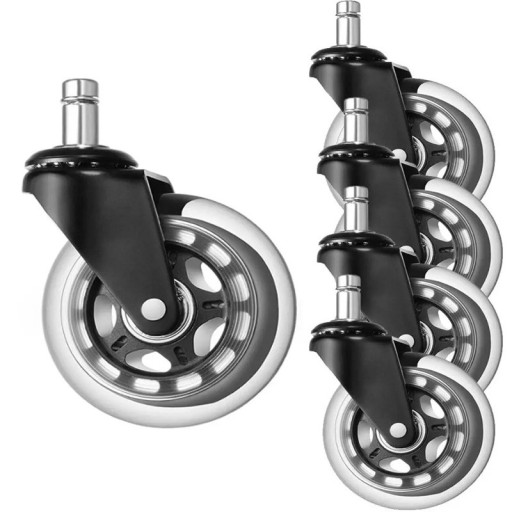
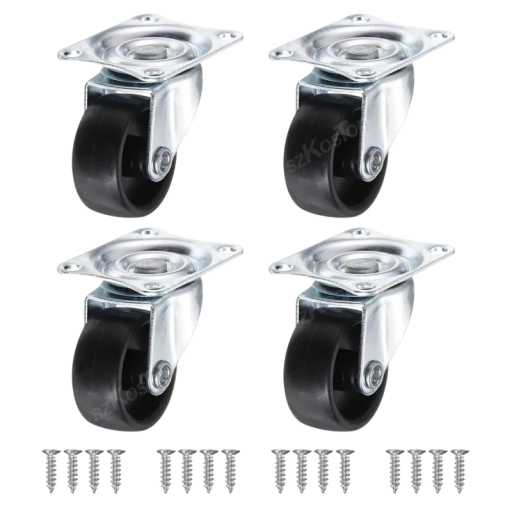
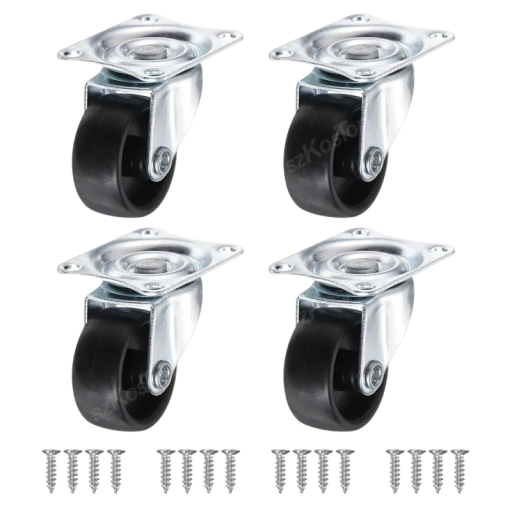
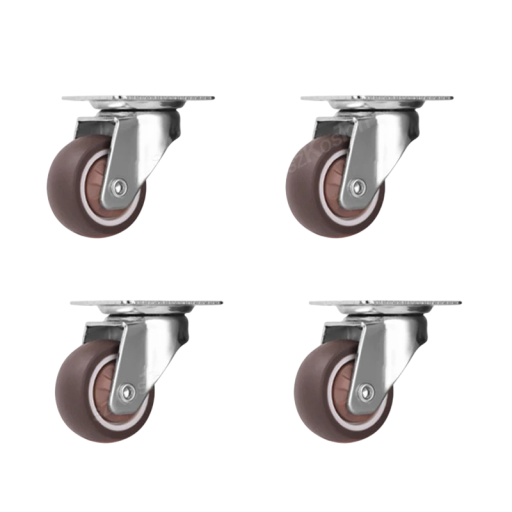
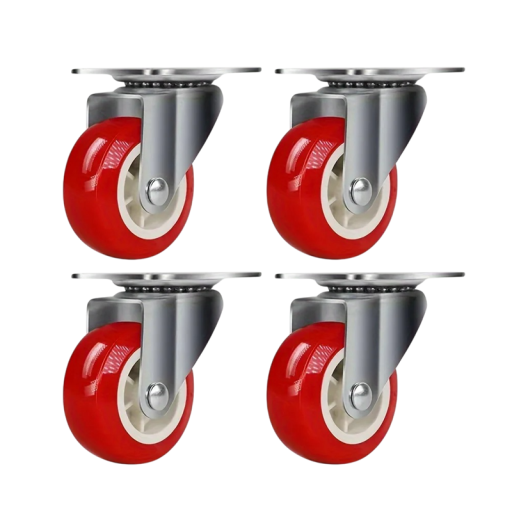
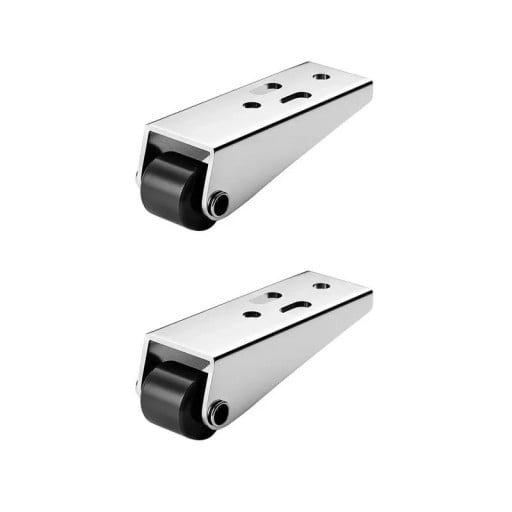
The fitting type determines compatibility. Casters with a stem push into a tube or socket (typical on office chairs), the threaded variant screws in, and casters with a mounting plate are screwed onto a flat surface. When replacing, measure the stem diameter or the hole spacing of the plate so the new caster fits the existing fitting.
Material and floor settle how gentle they are on the floor. Soft rubber and polyurethane cushion and do not scratch a hard floor (wood, tile, laminate), while harder nylon casters roll off better on carpet. Beyond the surface, the caster diameter and load capacity matter — a larger diameter and a wider tread carry more load and cross thresholds and gaps more easily.