









Ski and snowboard goggles
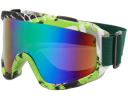
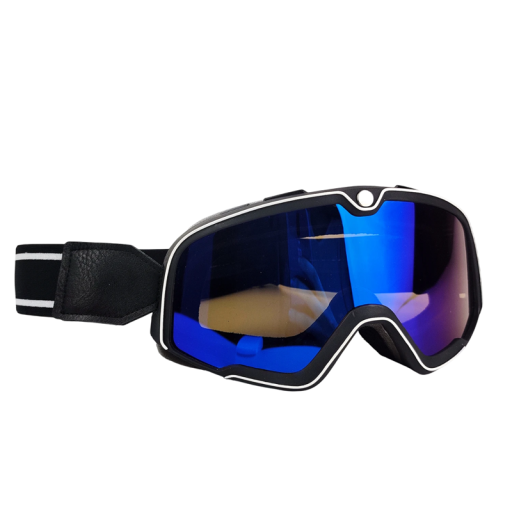
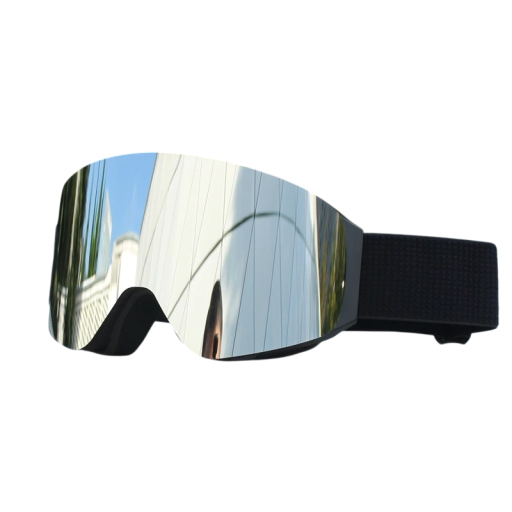
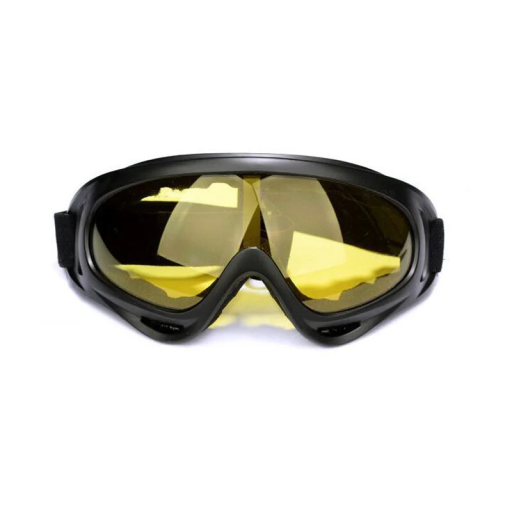
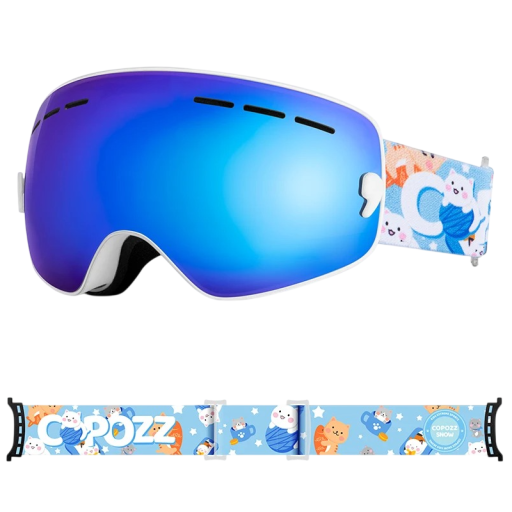
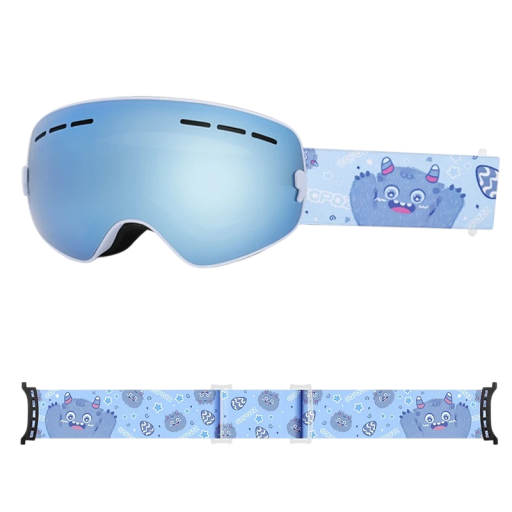
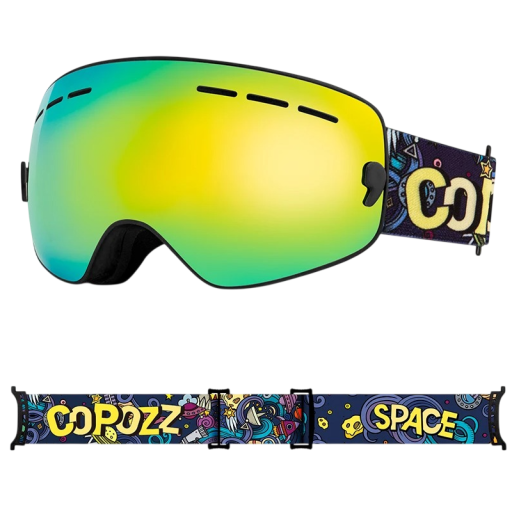
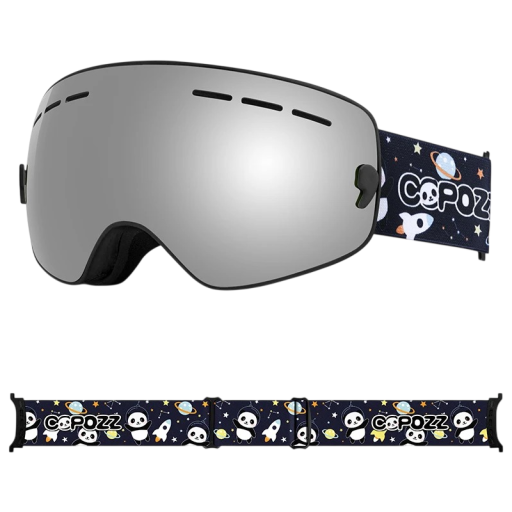
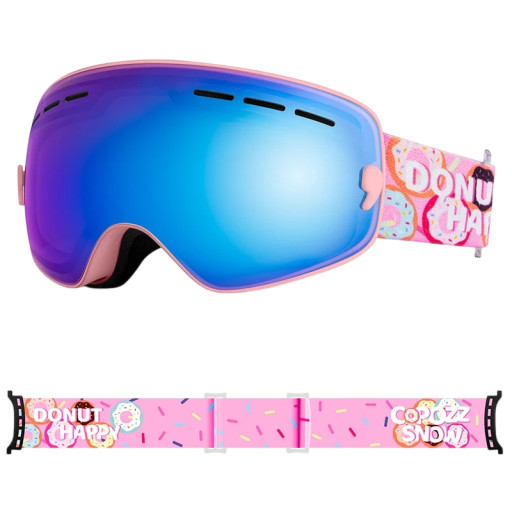
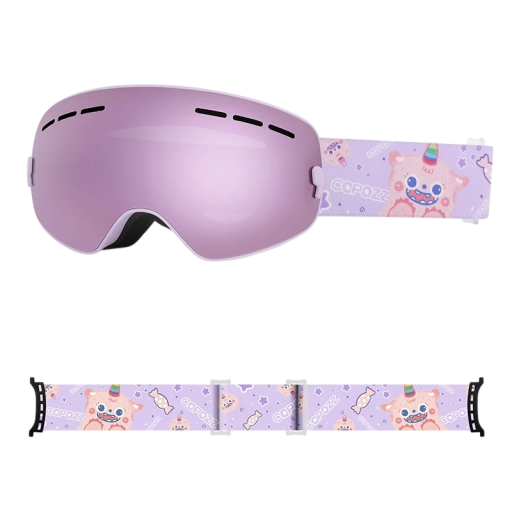
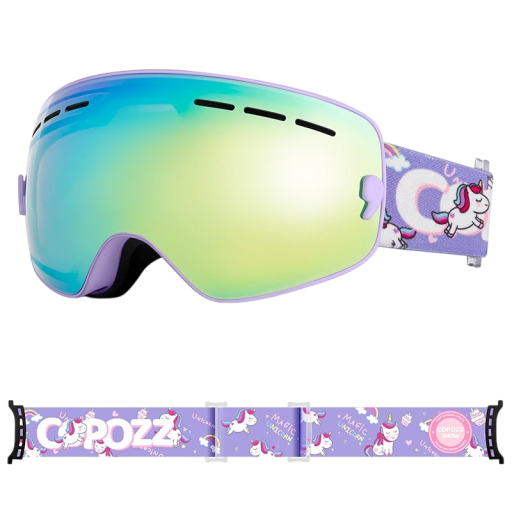
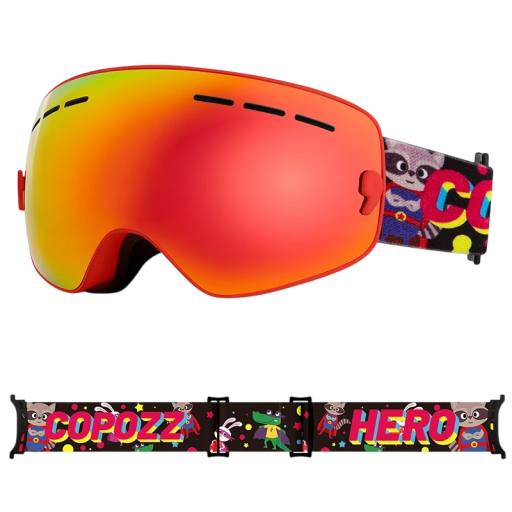
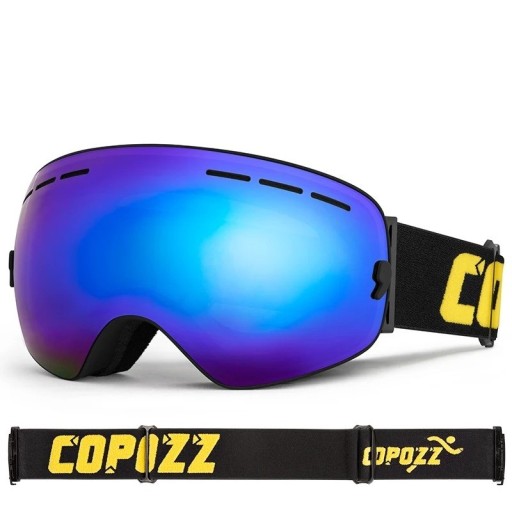
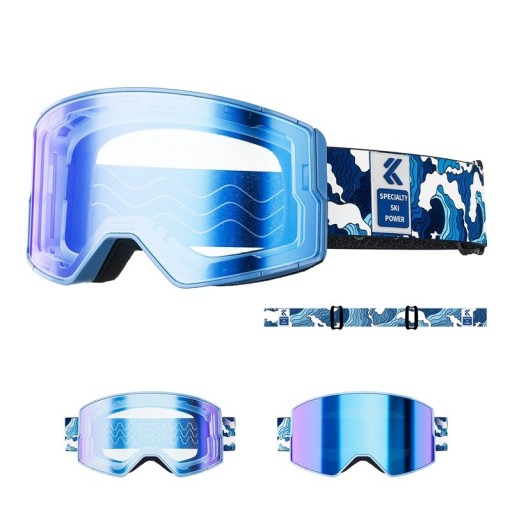
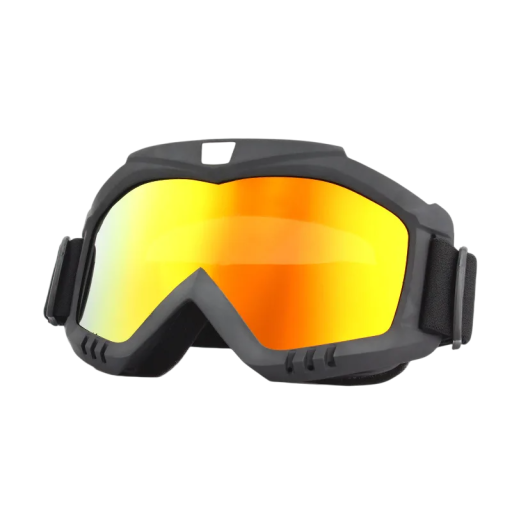
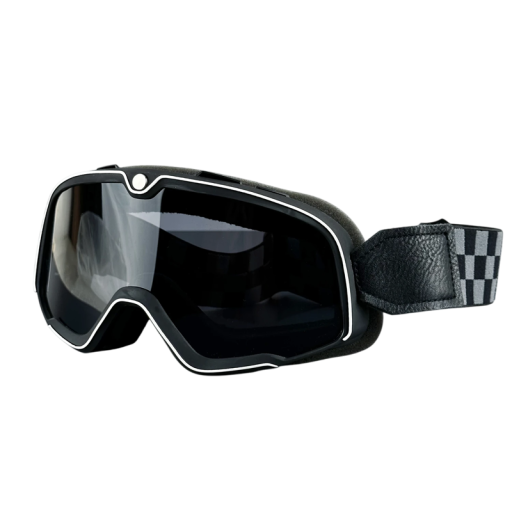
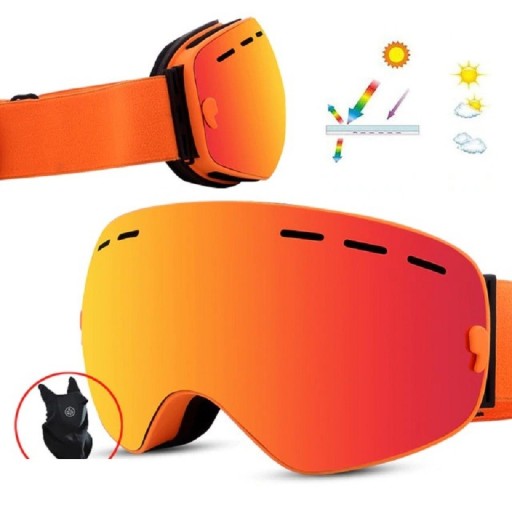
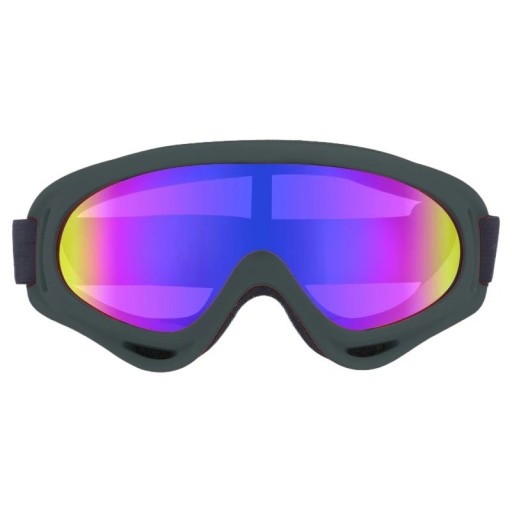
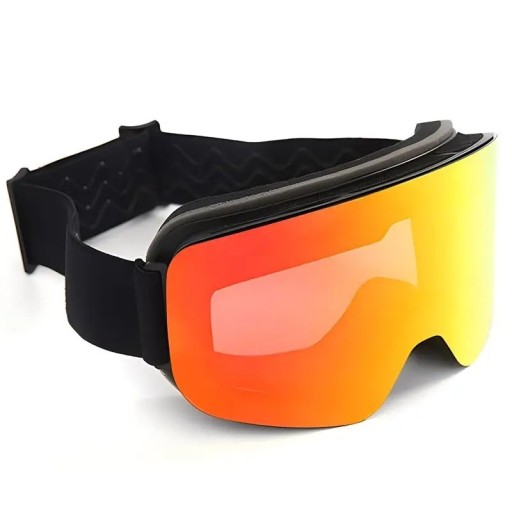
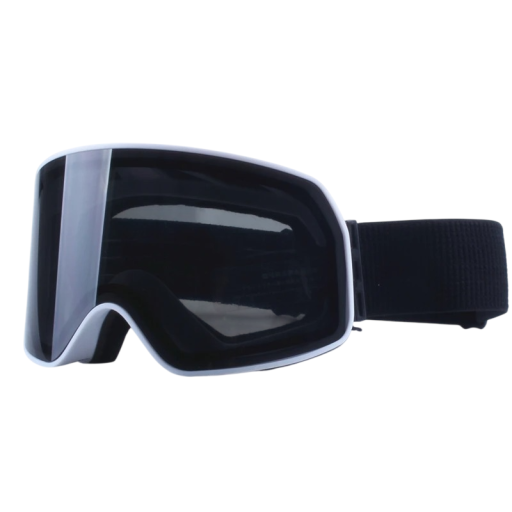
Protecting the eyes from wind, snow, UV radiation and glare from the white surface is part of the basic kit for the slopes. Ski and snowboard goggles differ in lens shape, colour and filter category, as well as in frame size. The range includes models with cylindrical and spherical lenses, goggles with a magnetic lens-change system, photochromic versions and OTG goggles designed to be worn over prescription glasses. The range also includes children's sizes and replacement lenses for different light conditions.


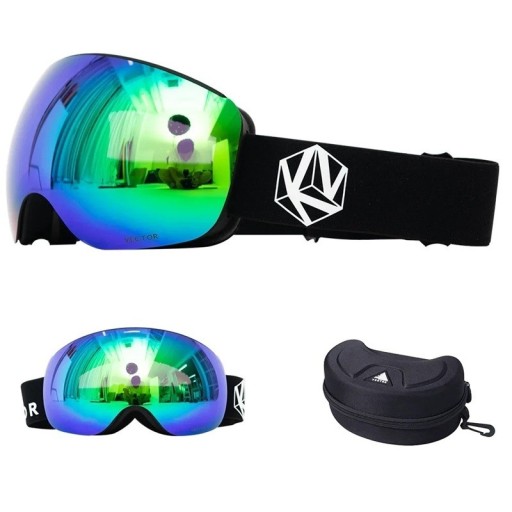
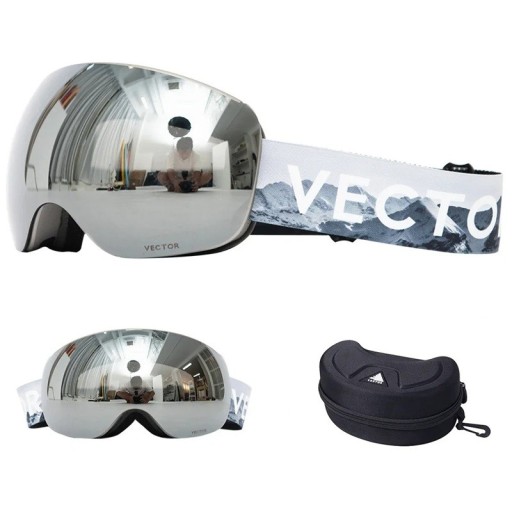
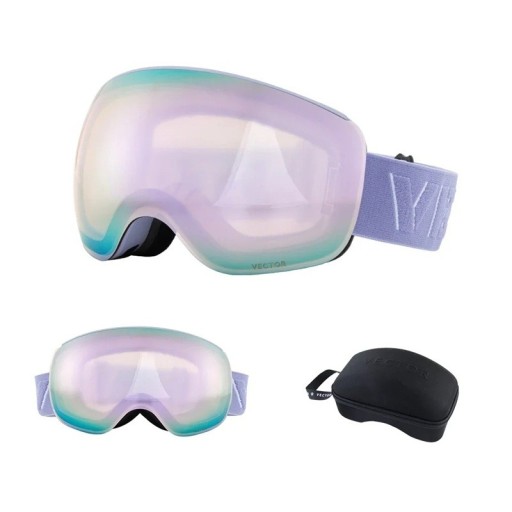
Ski and snowboard goggles
In the mountains, light is much more intense than in town because snow reflects a large part of the sun's radiation. Good ski and snowboard goggles therefore protect not only against wind and falling snow, but also against UV radiation and eye strain. At the same time, they improve terrain definition, making it easier to spot bumps, ice or moguls.
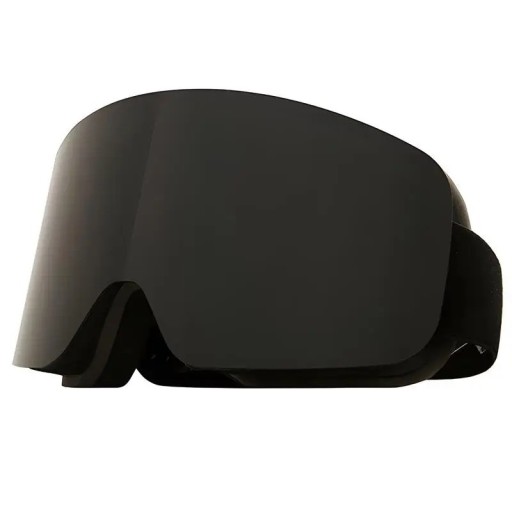
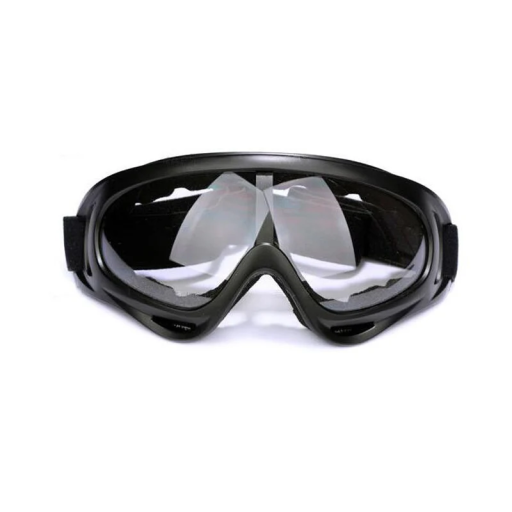
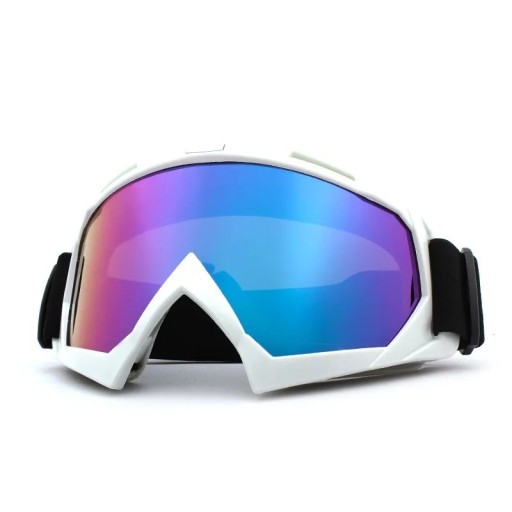
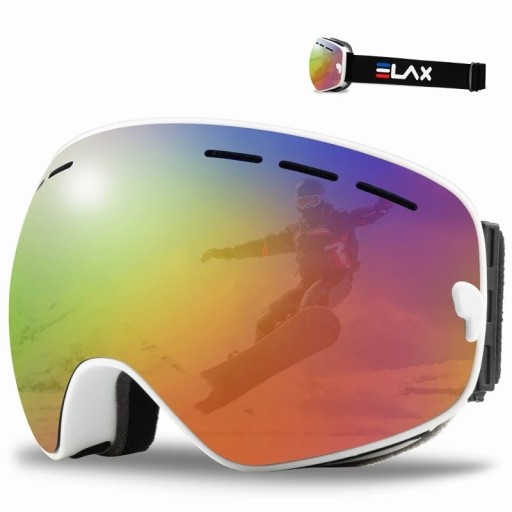
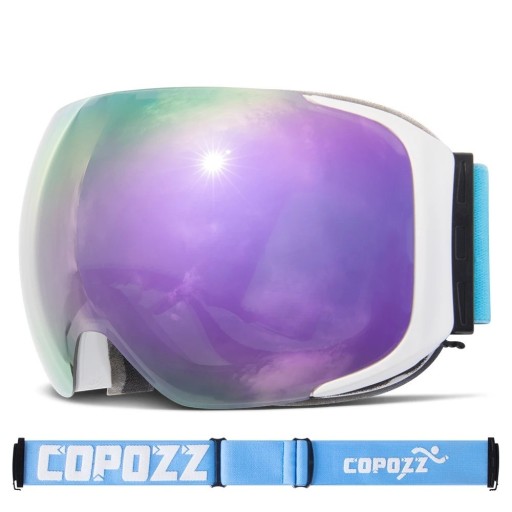
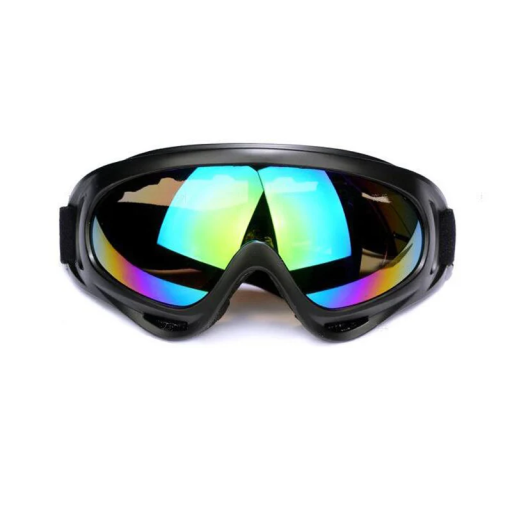
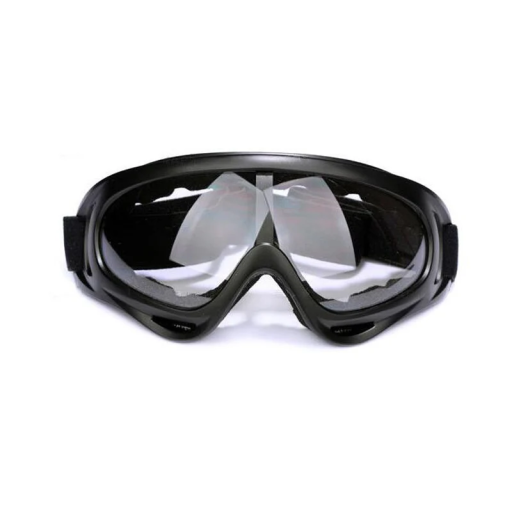
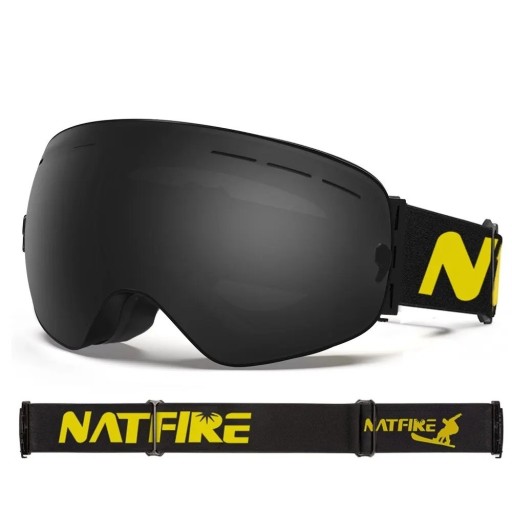
The key difference lies in the shape of the lens. Cylindrical goggles have a lens curved only horizontally, tend to be more affordable and have a classic look. Spherical goggles are curved both horizontally and vertically, offer a wider field of view and distort the image less. Models with a magnetic lens mount are increasingly popular, as the lens can be swapped in a few seconds, even with gloves on.
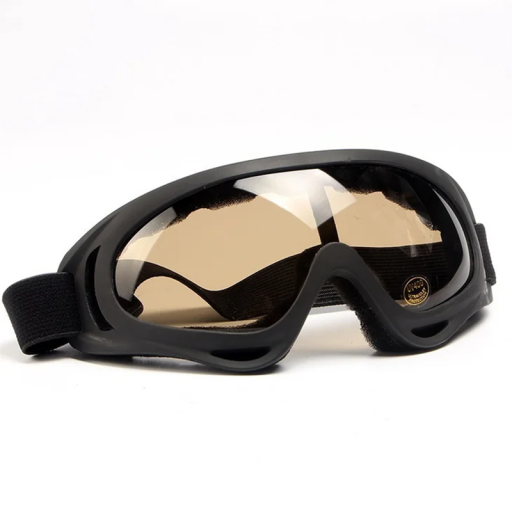
The filter category, marked from S0 to S4, plays an important role. Lower categories let more light through and suit fog, snowfall or night skiing, categories S2 and S3 match typical sunny days, and S4 is intended for extremely bright conditions, such as on a glacier. Lens colour matters too: yellow, orange and rose tints bring out the contours of the terrain in poor visibility, while dark and mirrored lenses reduce glare in bright sunshine. Photochromic lenses, which adapt to light intensity on their own, are a versatile option. A double lens, an anti-fog coating and sufficient frame ventilation all help prevent fogging.
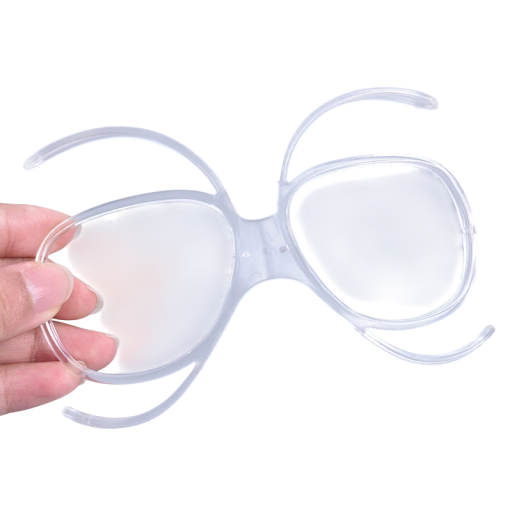
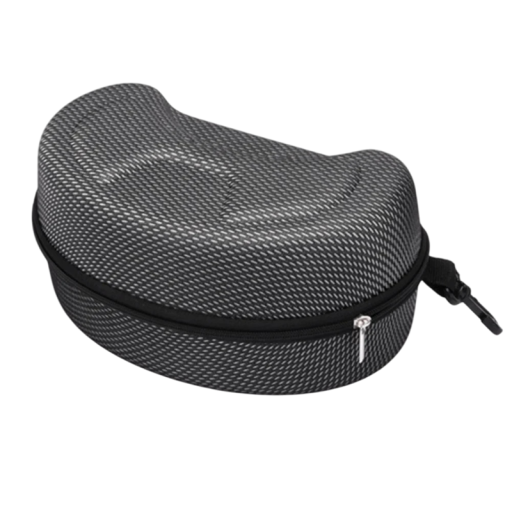
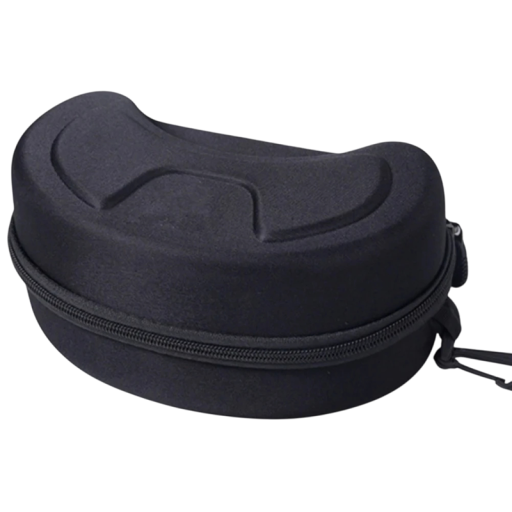
When choosing, check that the goggles sit snugly against the face and leave no gap between the frame and the helmet. The elastic strap should be adjustable in length and have a silicone lining that stops it slipping off the helmet. For glasses wearers there are OTG models with a roomy frame and cut-outs for the arms. Children's goggles have a smaller frame that fits children's helmets better. A soft case is a practical extra that protects the lens from scratches in transit.