










































































Portable solar power stations
Power without a mains connection is provided by a compact device that combines a battery, an inverter and a charge controller in a single housing. Portable solar power stations charge from foldable photovoltaic panels, from a socket or from a car socket and deliver the energy through 230 V, USB, USB-C and 12 V outputs. They suit camping, motorhomes, the holiday cottage and serve as a backup during a power cut. They are chosen according to the capacity in watt-hours and the continuous power in watts.
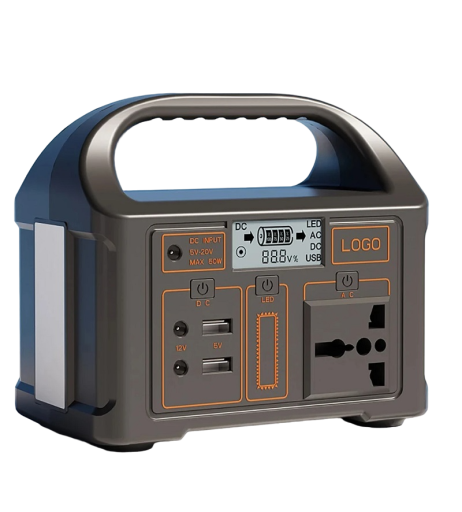
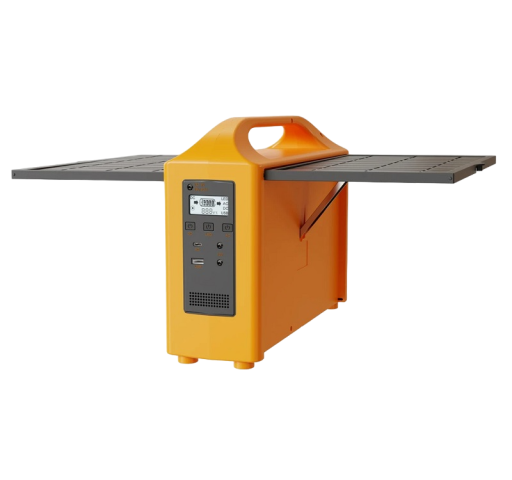
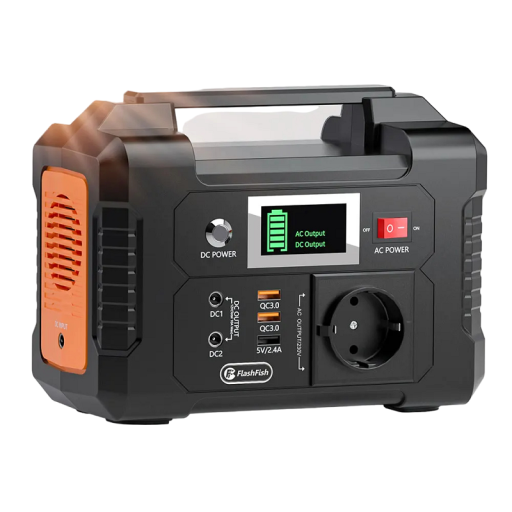
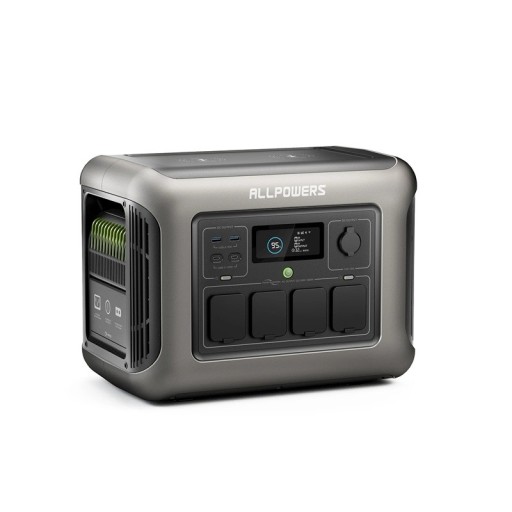
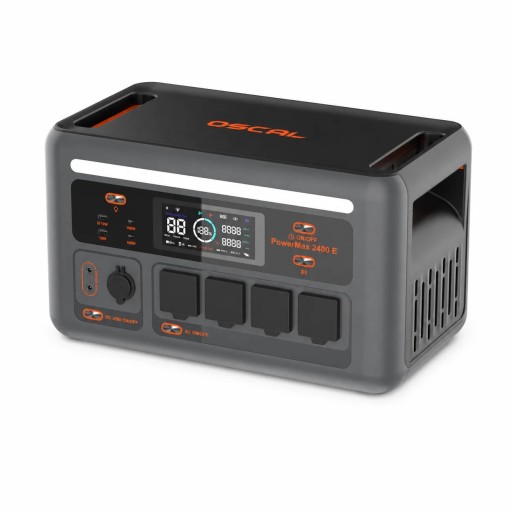
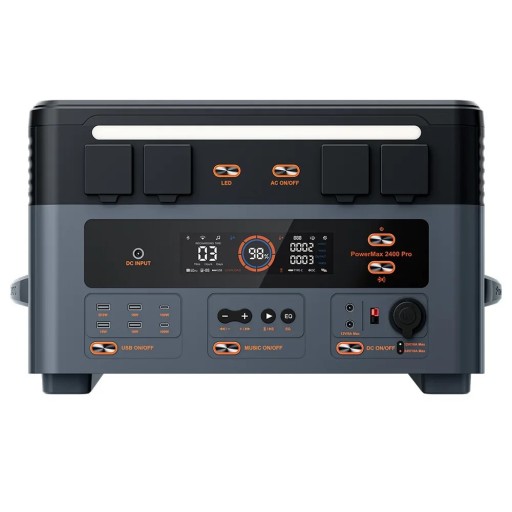
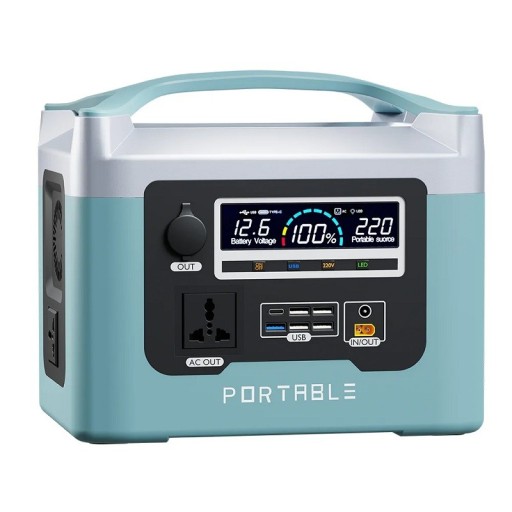
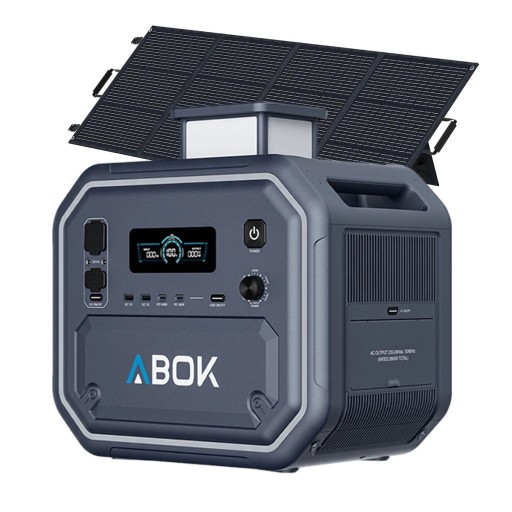
Portable solar power stations
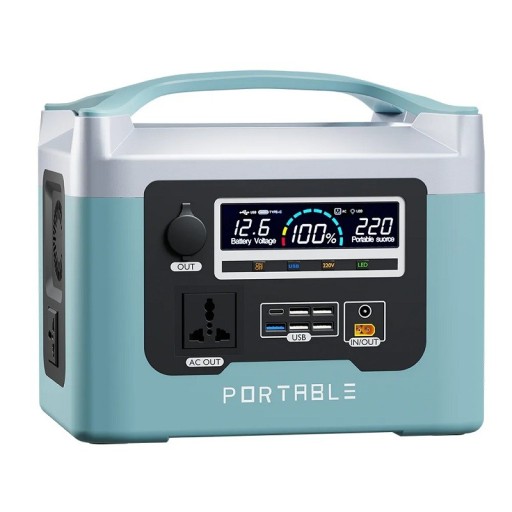
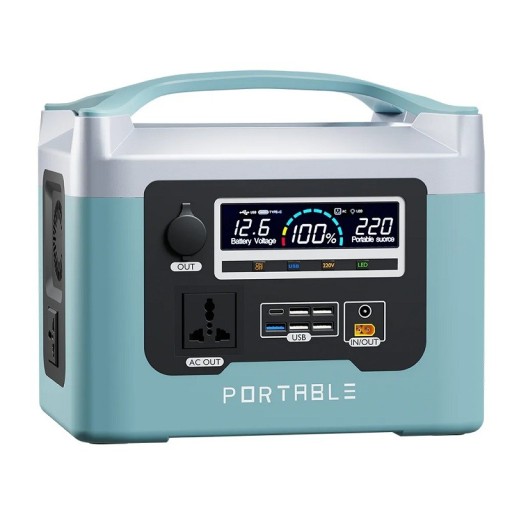
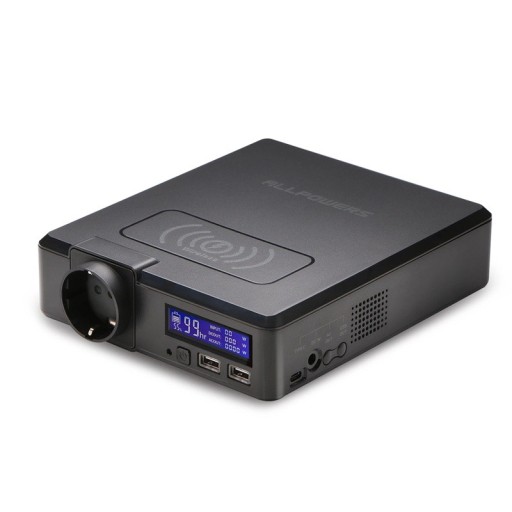
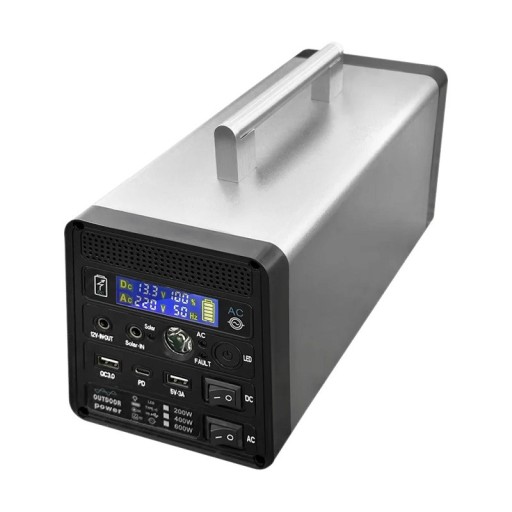
Where the mains grid is not at hand, a source that carries its energy with it comes in useful. That is exactly what compact battery stations with solar charging offer — they combine the battery, the voltage inverter and the controller into a single portable unit, so it is enough to connect a panel or the socket for the device to be ready to supply power. This does away with the noisy generator and the dragging of extension leads, and the energy is at hand on the road, in nature and at home as a backup.
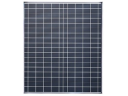
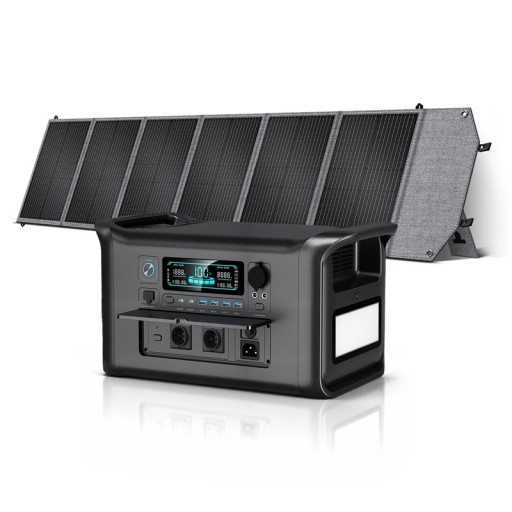
The basis is formed by portable power stations with a built-in battery, most often of the LiFePO4 type, which withstands hundreds to thousands of charging cycles. Belonging to them are foldable solar panels, which recharge the station even out of reach of a socket, as well as connecting cables, adapters and holders. The outputs differ depending on the model — a 230 V socket for common appliances, USB and USB-C ports for phones and laptops, a 12 V output for car fridges.
The devices differ mainly in two values. The capacity in watt-hours indicates how much energy the station holds and for how long it powers appliances, while the continuous power in watts decides how demanding appliances it carries at once — from chargers to a kettle. The type of inverter also plays a role, since a sine waveform is gentler on sensitive electronics, along with the charging speed and the power of the panels that can be connected.
For a weekend camp with a phone and a light a smaller model is enough, while for a motorhome or a longer outage a larger capacity and the option to buy additional panels come in handy. Before buying it is practical to calculate which appliances and for how long they should run and, based on that, to choose the capacity and the power. Well-chosen portable solar power stations replace the noisy petrol generator, work quietly and without emissions and top up the energy from the sun even where there is no socket at all.