

















































































Solar battery components
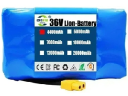
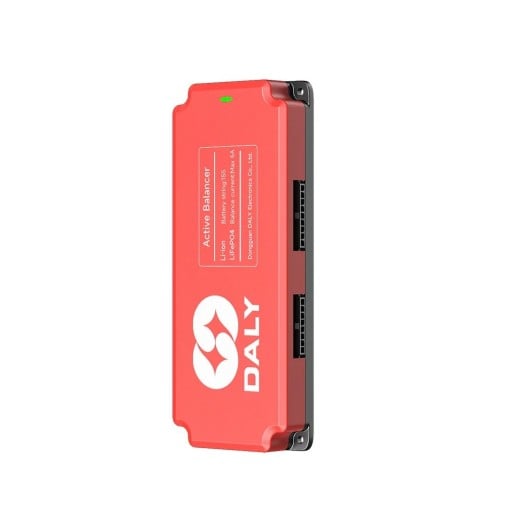
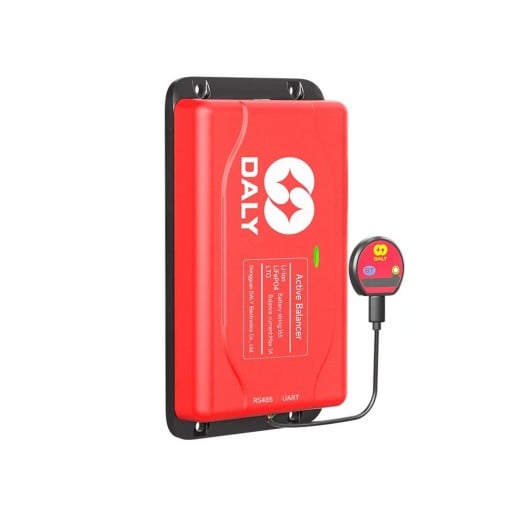
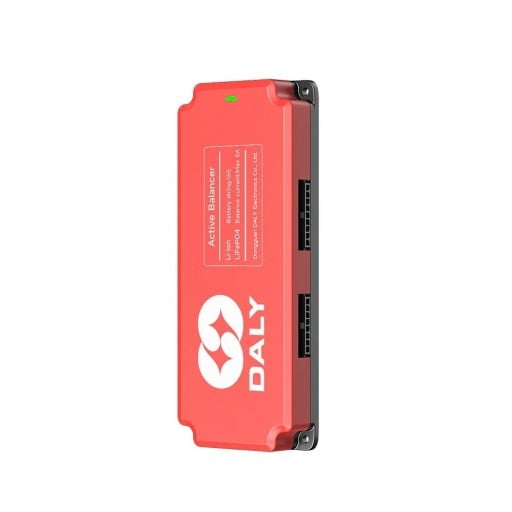
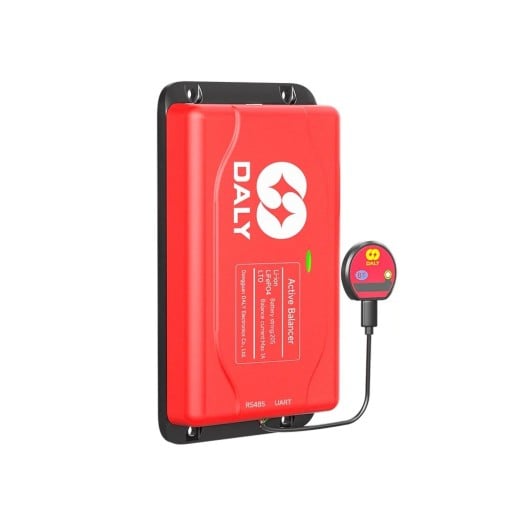
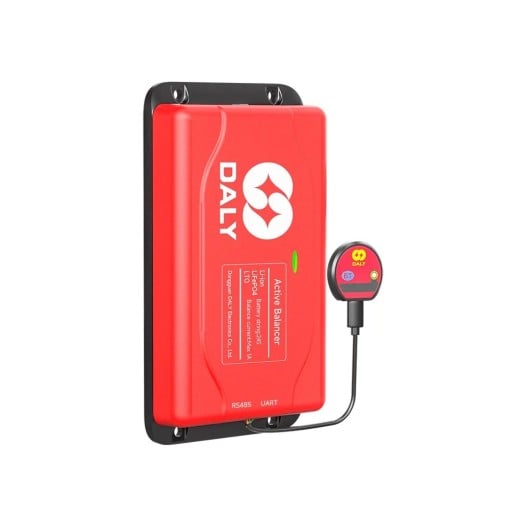
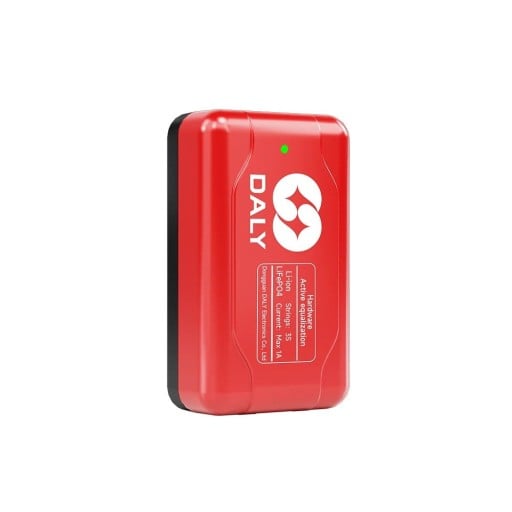
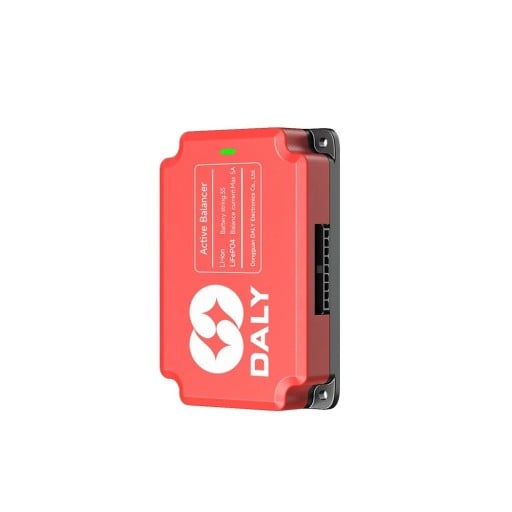
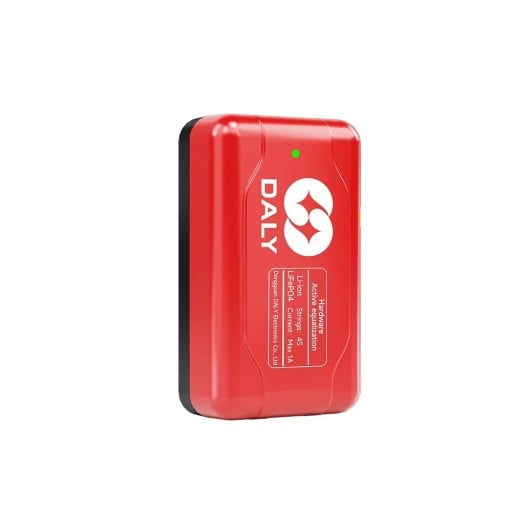
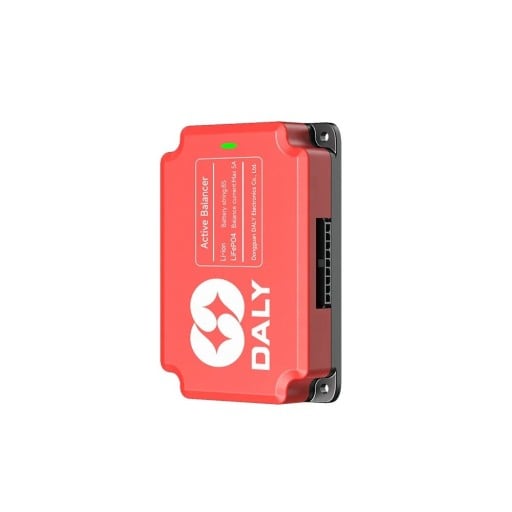
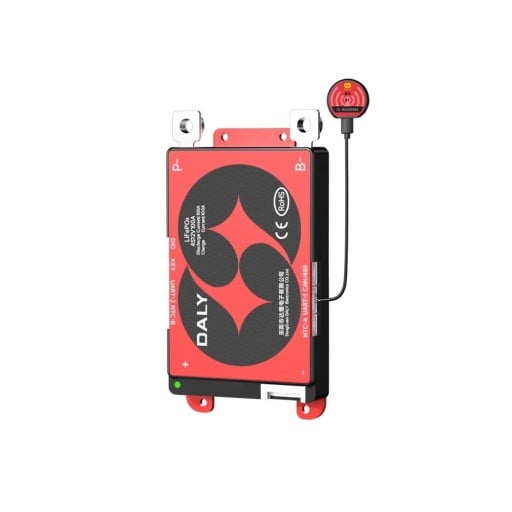
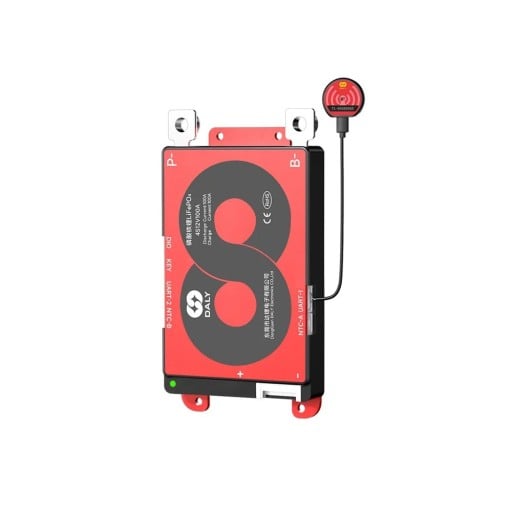
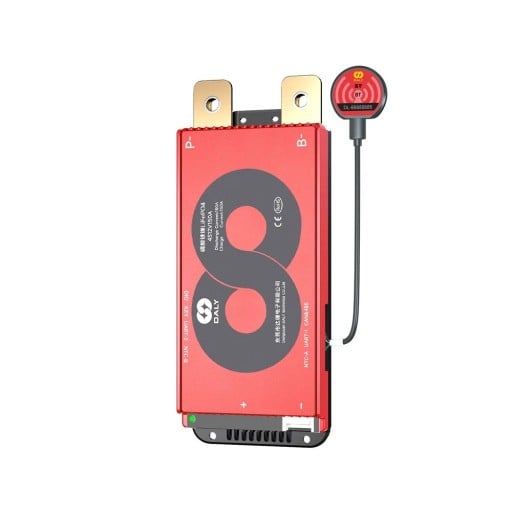
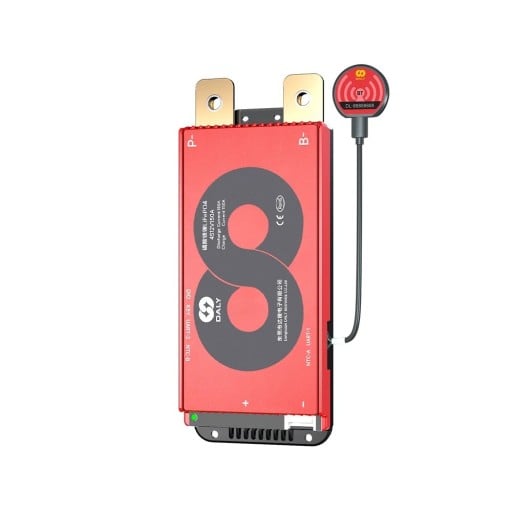
Around the batteries themselves, safe and clear operation calls for a range of accessories that make up the battery components. These include connection cables and cable lugs, battery fuses and disconnectors, busbars, state-of-charge monitors, balancers as well as BMS management systems and storage boxes or racks. Solar battery components are chosen according to the voltage and capacity of the battery, the cell type and the way of connecting, so that the energy storage works reliably and is easy to check.
Solar battery components
Batteries are the heart of off-grid and hybrid photovoltaic systems, but the cells alone are not enough for reliable operation. Around them, connection, protection, measurement and safety are needed, provided together by supplementary elements. It is precisely these that determine how safely the storage charges and discharges, how easily its state can be tracked and how long it lasts. Without them, even good batteries would not deliver what is expected of them.
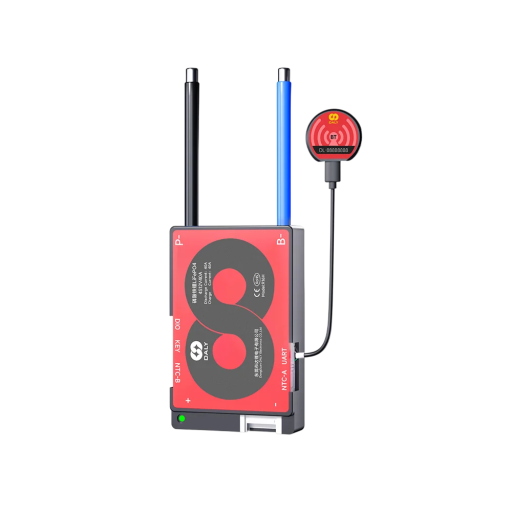
The basis is formed by connection cables of the right cross-section, cable lugs and busbars, which link the individual cells or batteries to the required voltage and capacity. Safety is provided by battery fuses and disconnectors, which protect the assembly against short circuits and allow it to be isolated during maintenance. In lithium assemblies the BMS system is not missing; it monitors the voltage of the individual cells and protects them from overcharging and deep discharge.
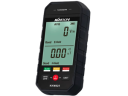
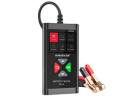
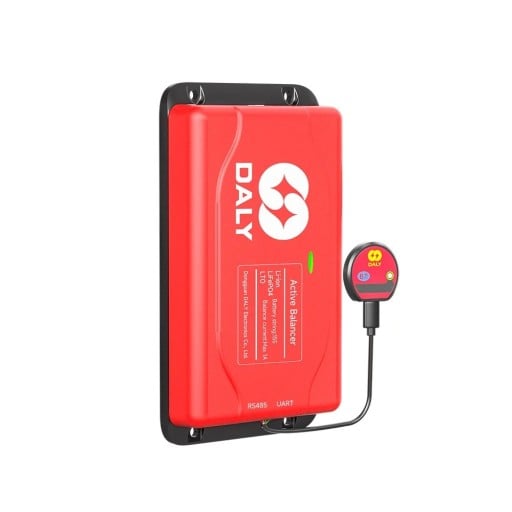
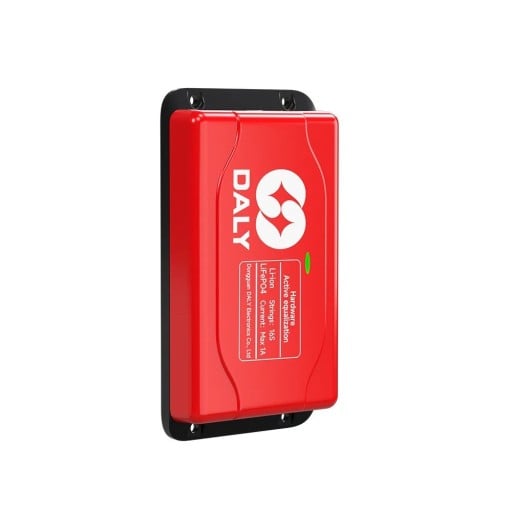
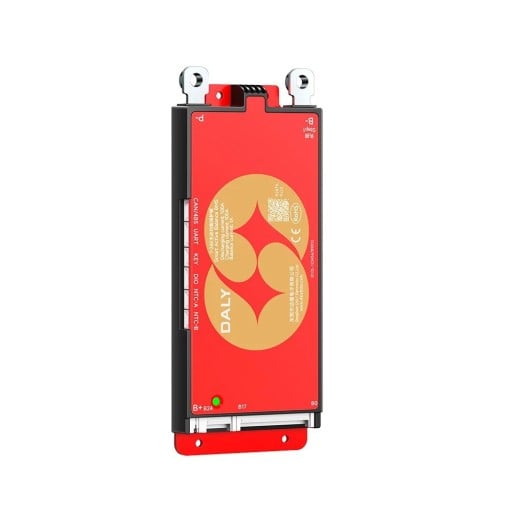
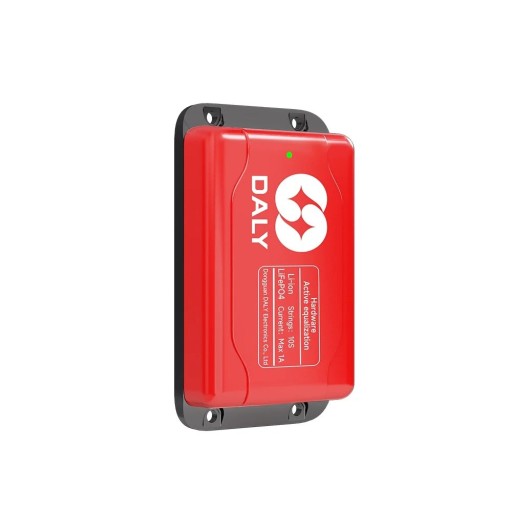
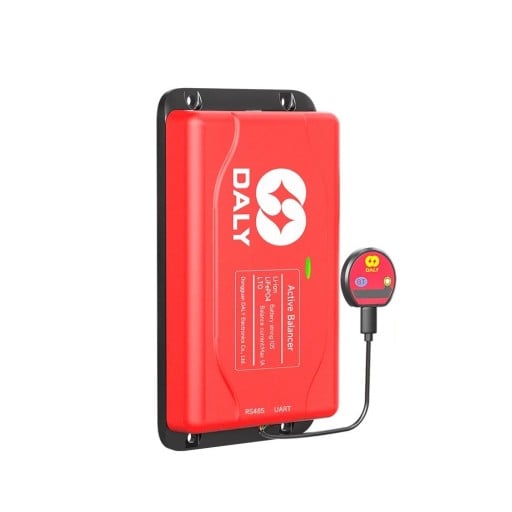
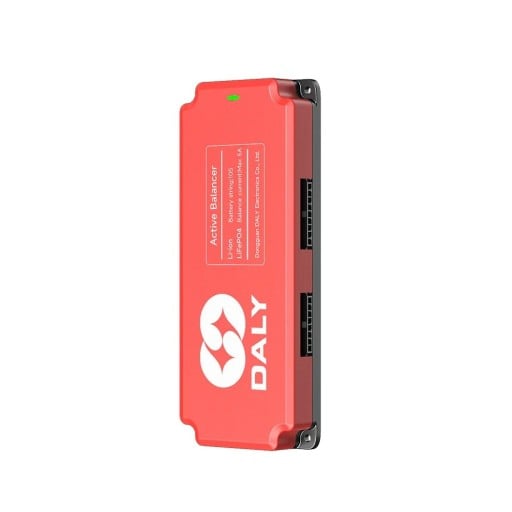
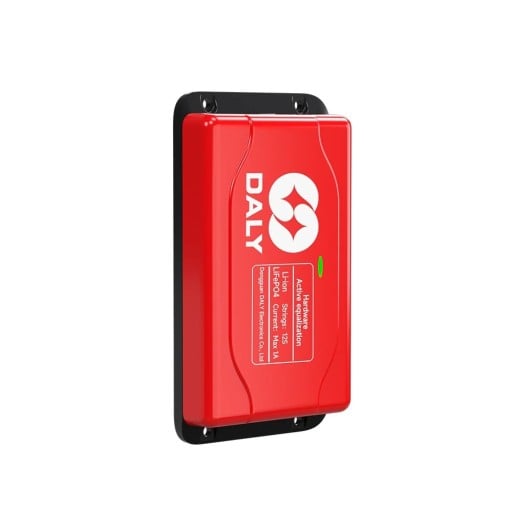
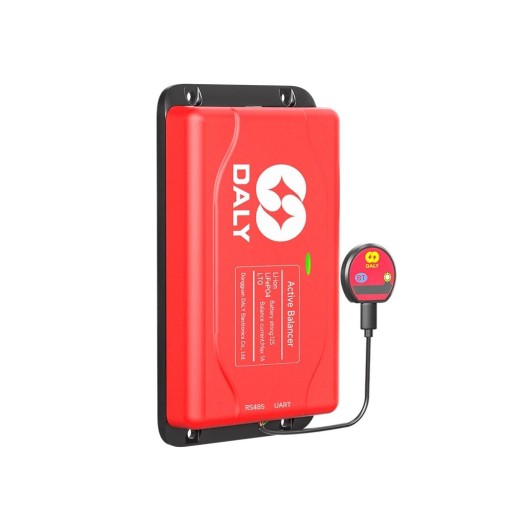
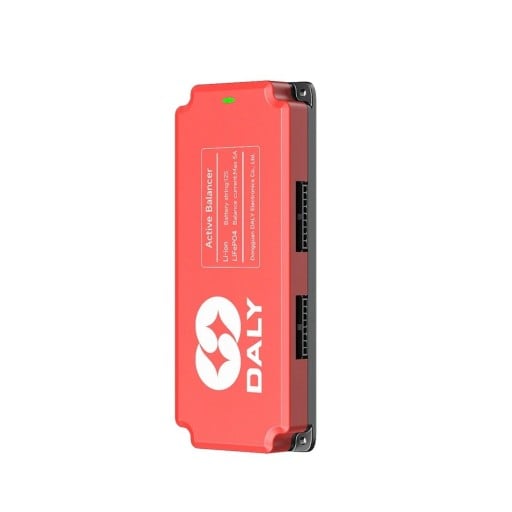
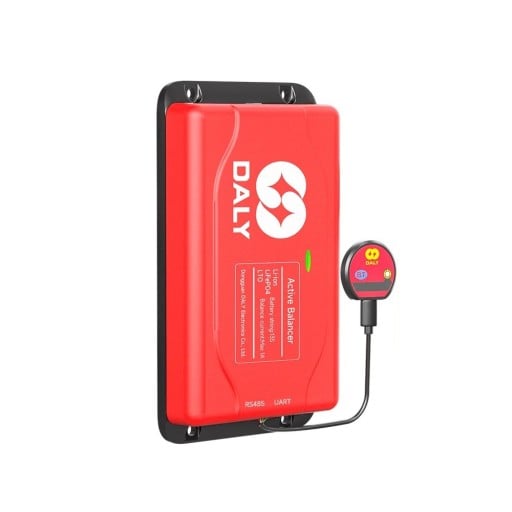
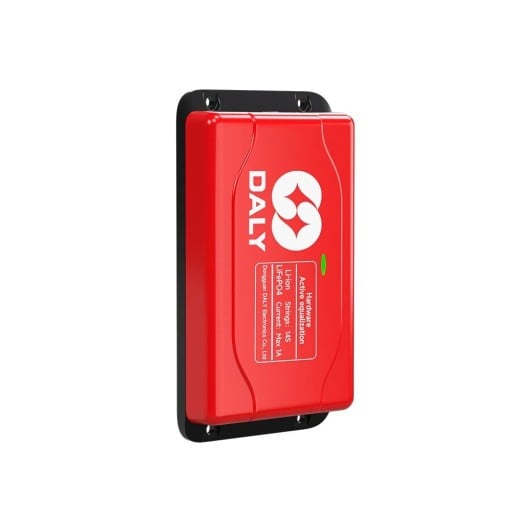
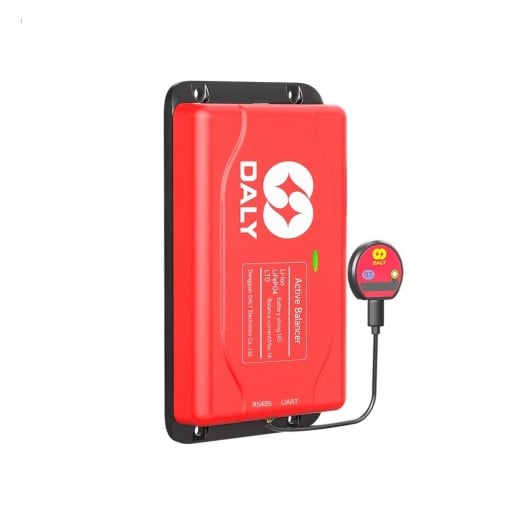
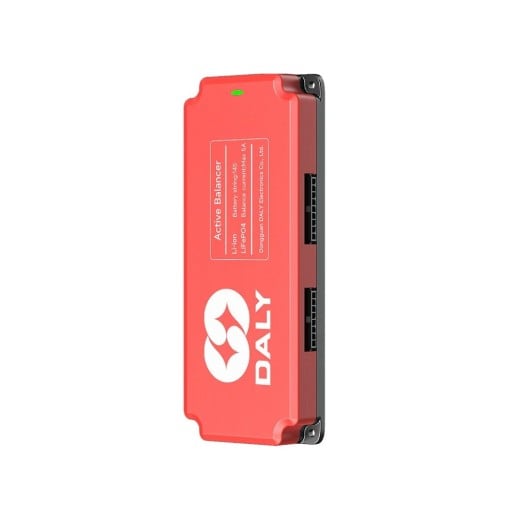
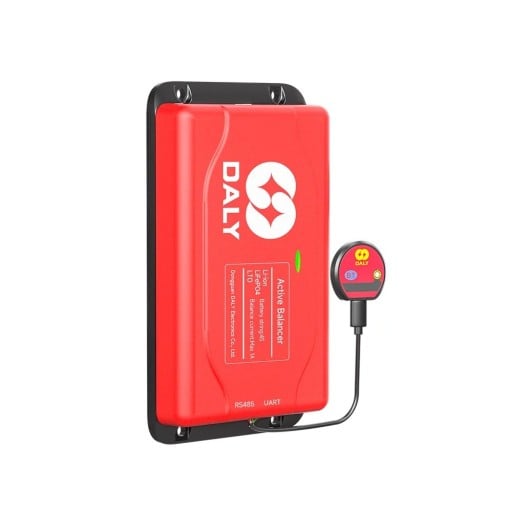
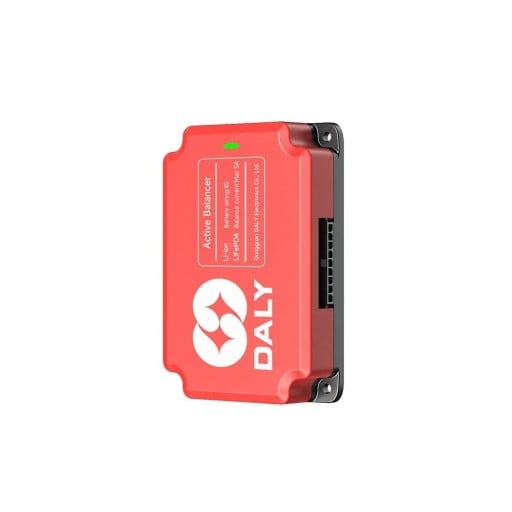
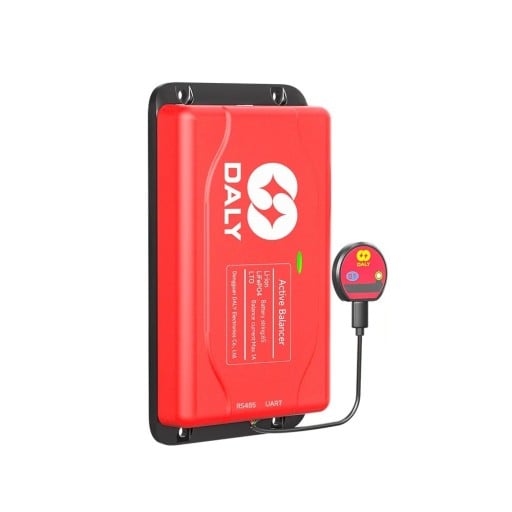
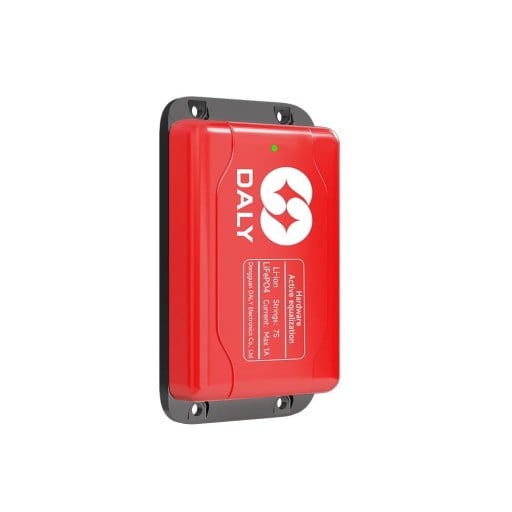
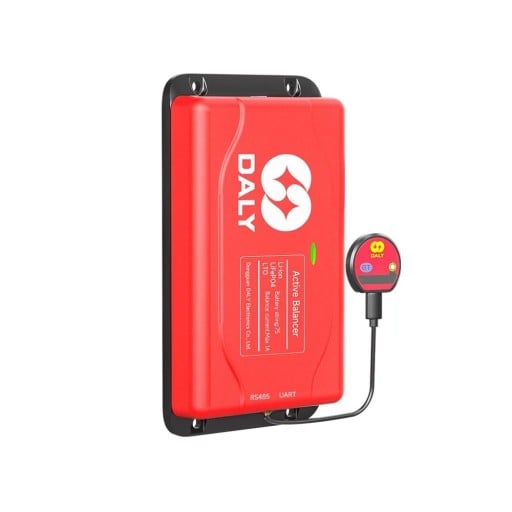
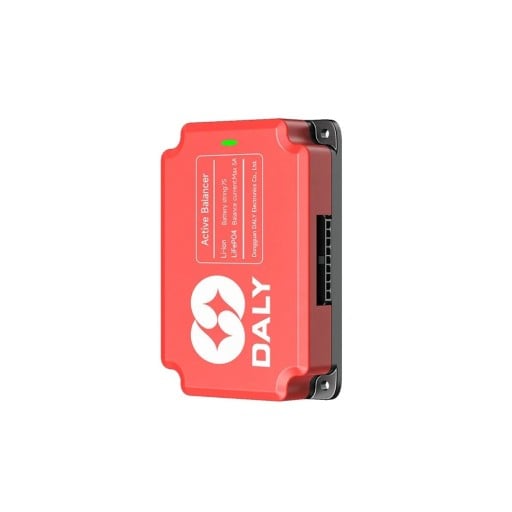
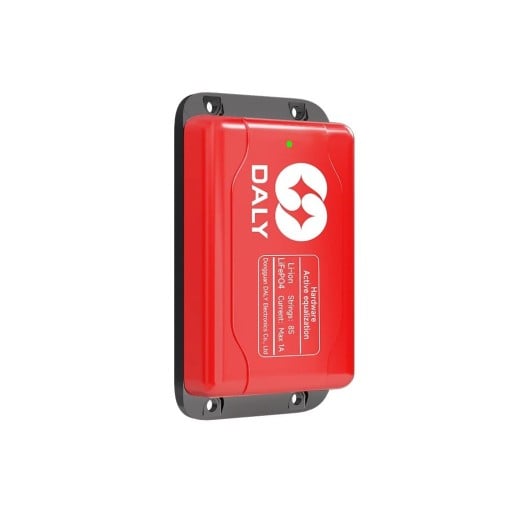
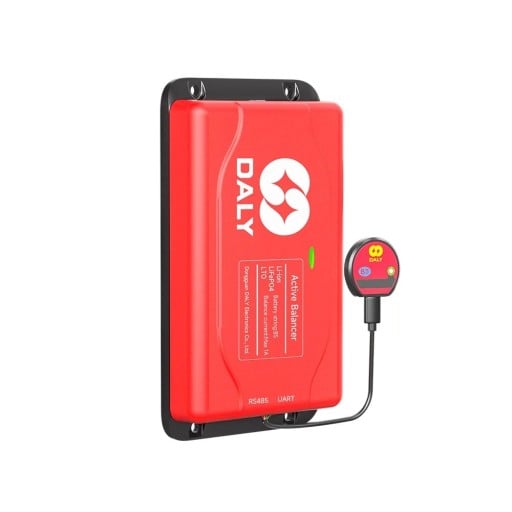
An overview of the storage is given by monitors and shunts, which measure current, voltage and state of charge and often send them to an app. In lead assemblies, balancers and equalizers help to even out the voltage between the cells and thus extend their life. The way of housing also matters — battery boxes, cabinets and racks keep the cells together, protect them from dust and mechanical damage and make installation easier.
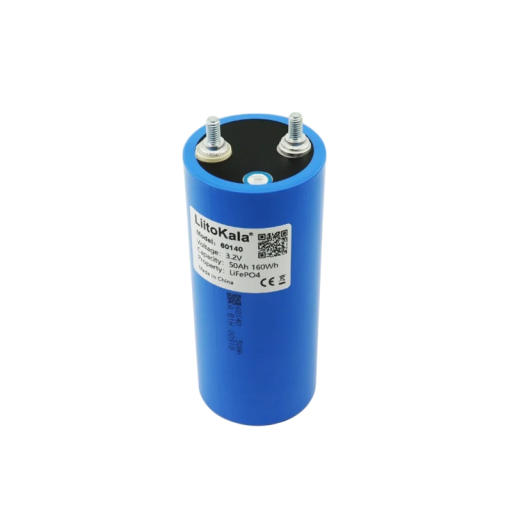
The choice of components depends on the system voltage, the capacity and the battery type, since gel, AGM and lithium (LiFePO4) cells have different requirements for protection and management. In larger assemblies, the components are chosen so that they match each other in voltage and current rating. Well-matched battery components increase safety, extend the life of the storage and make it easier to check and expand later.