






















































Solar charge controllers
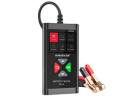
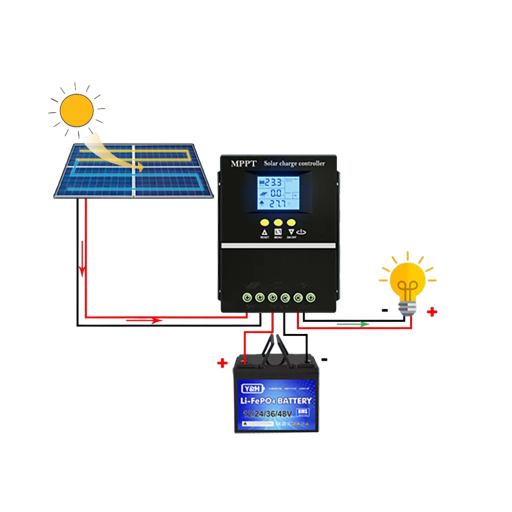
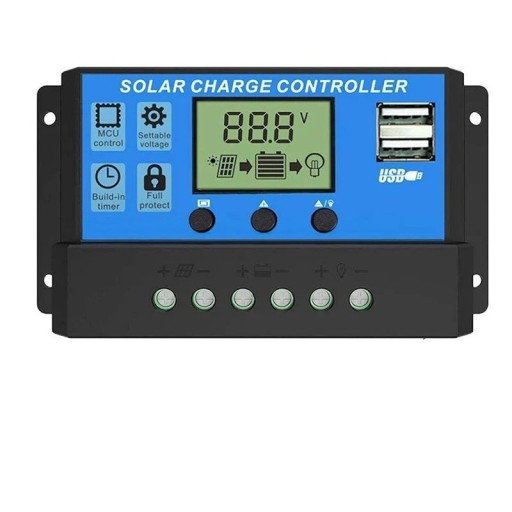
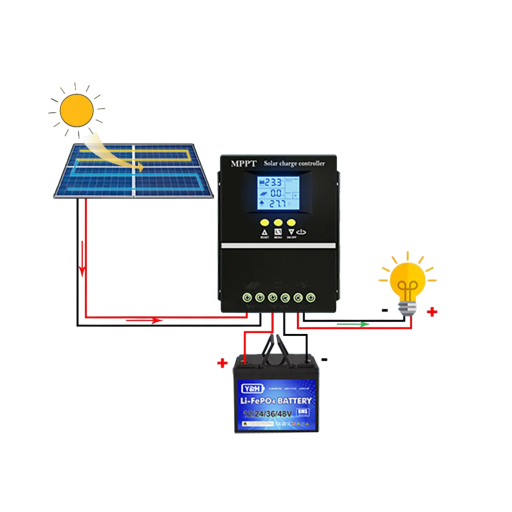
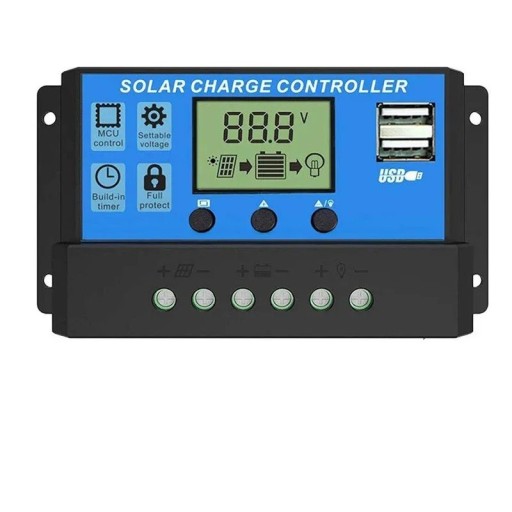
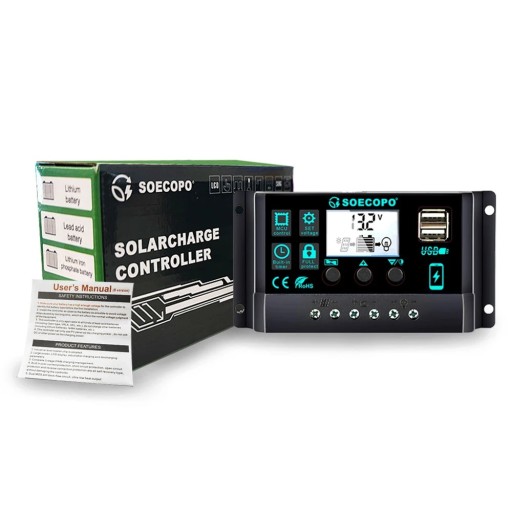
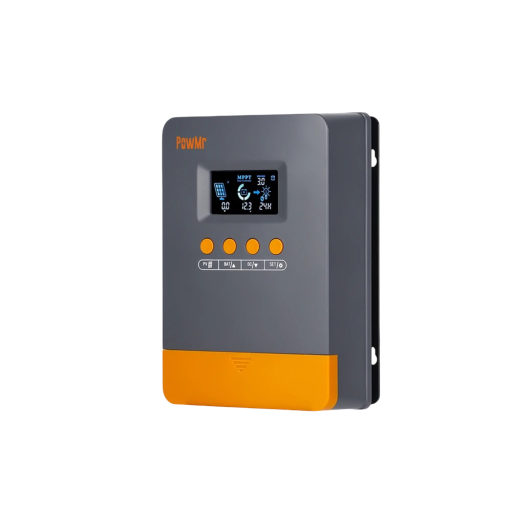
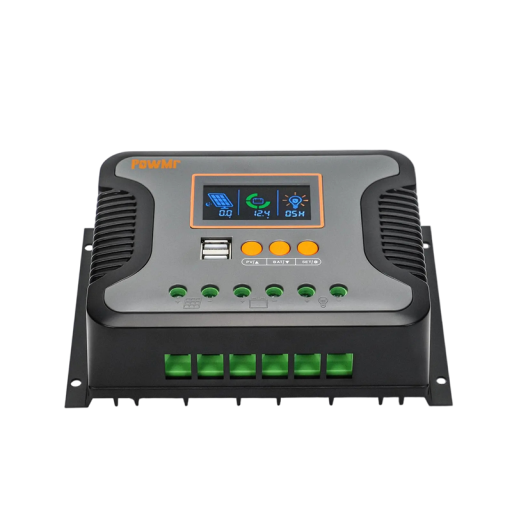
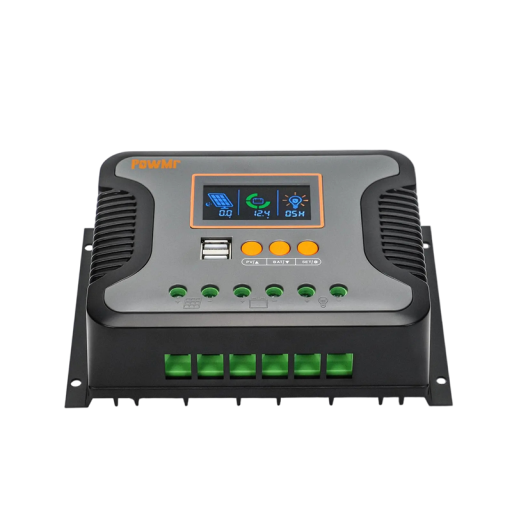
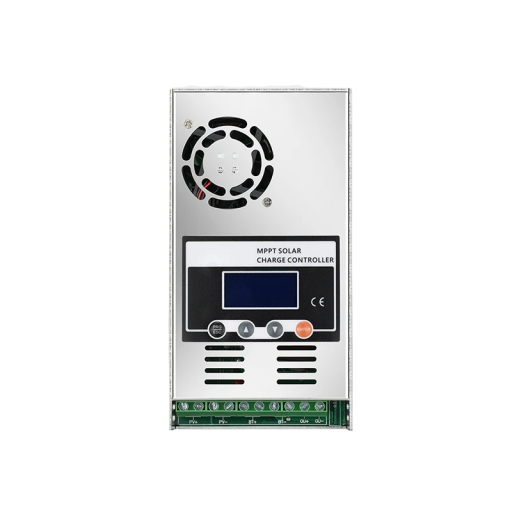
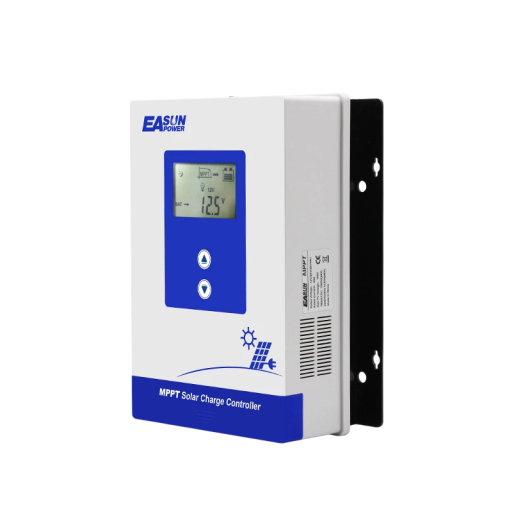
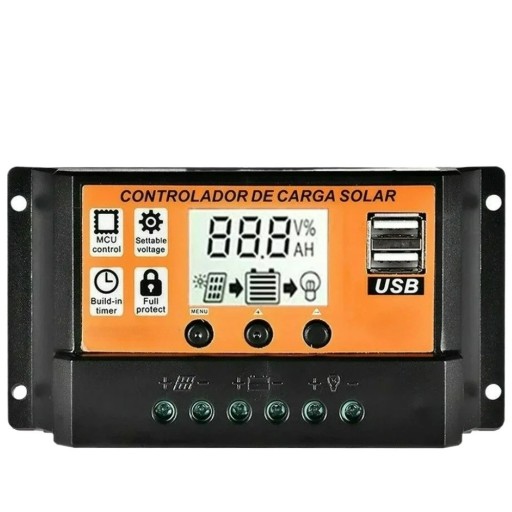
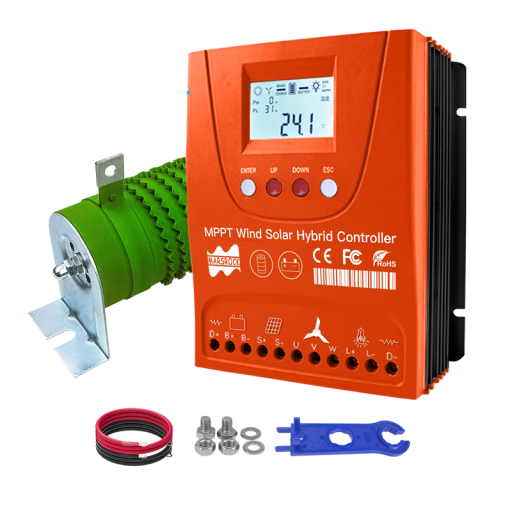
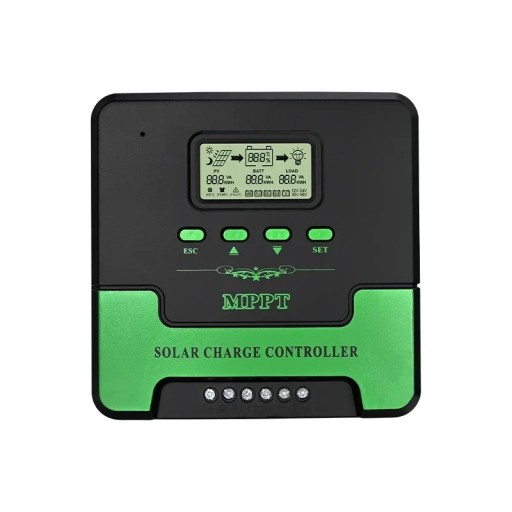
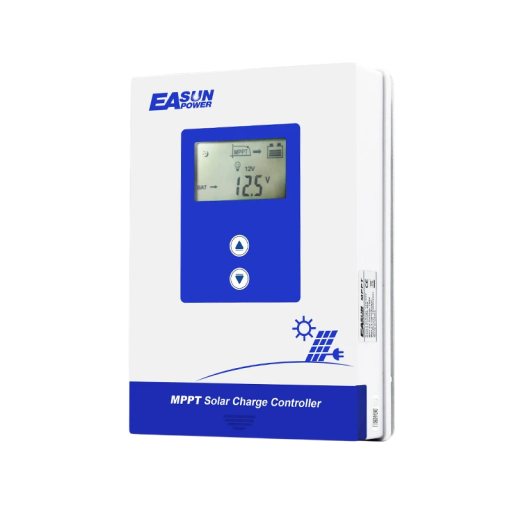
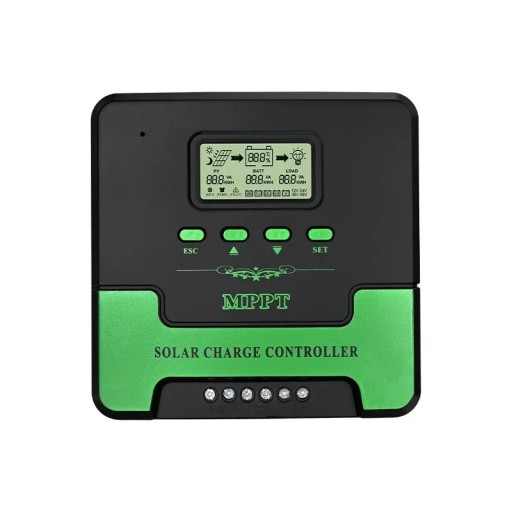
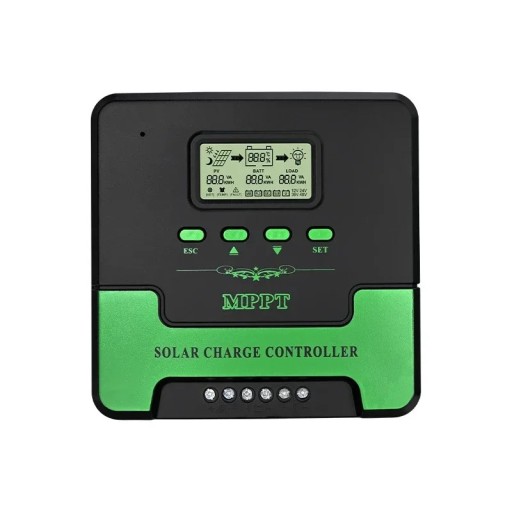
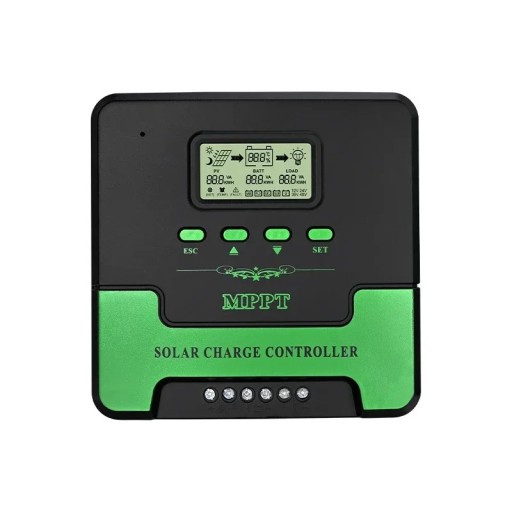
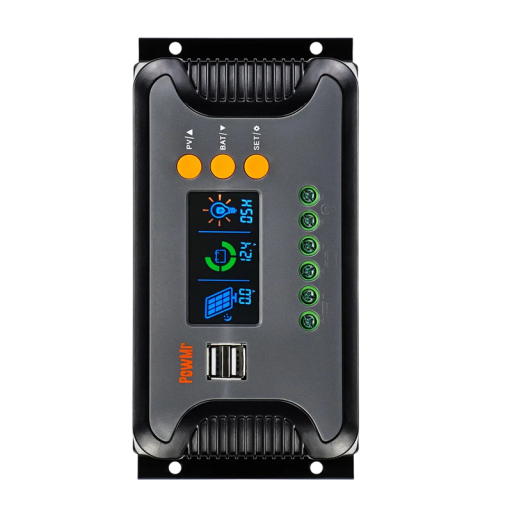
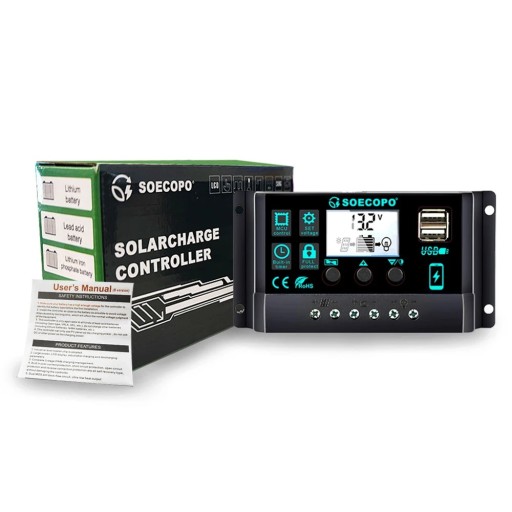
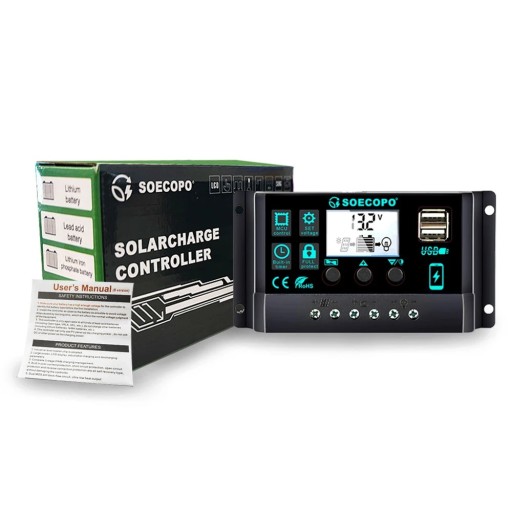
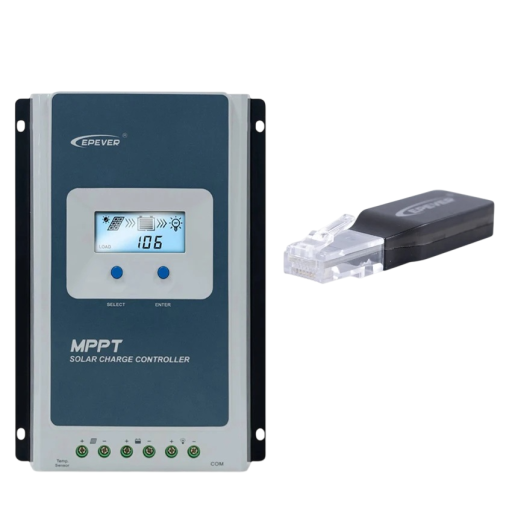
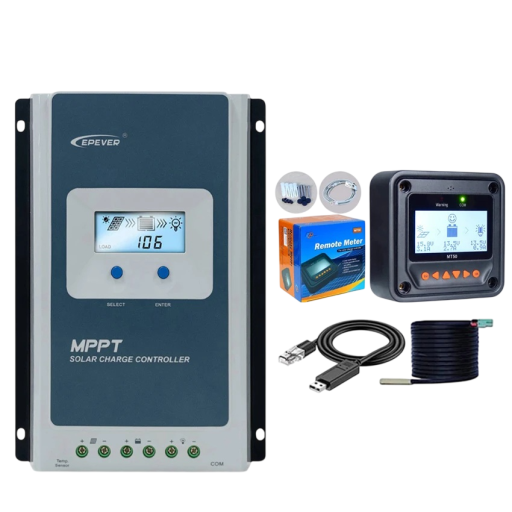
Between the solar panels and the batteries sits the charge controller, which oversees the correct charging of the batteries and protects them from overcharging and deep discharge. Simpler PWM controllers and more efficient MPPT types with a higher energy yield are available, in versions for 12, 24 and 48 V systems. Solar charge controllers differ in maximum current, supported voltage and equipment such as a display, USB output or temperature compensation, so they are chosen according to the power of the panels and the battery type.
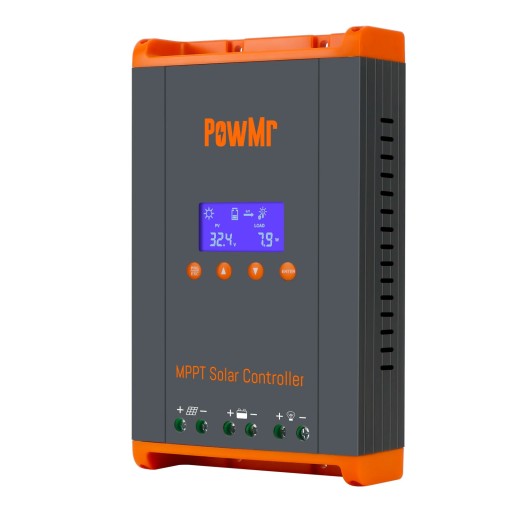
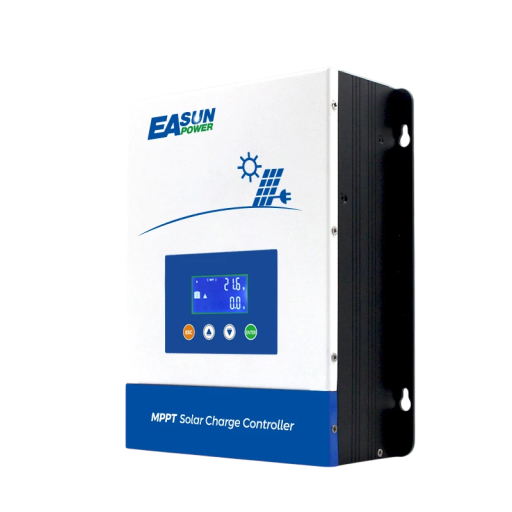
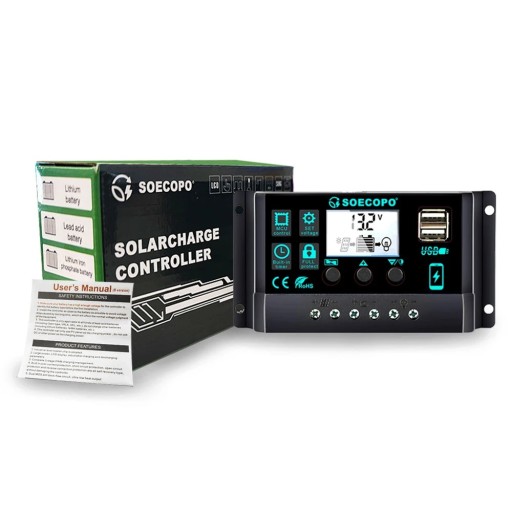
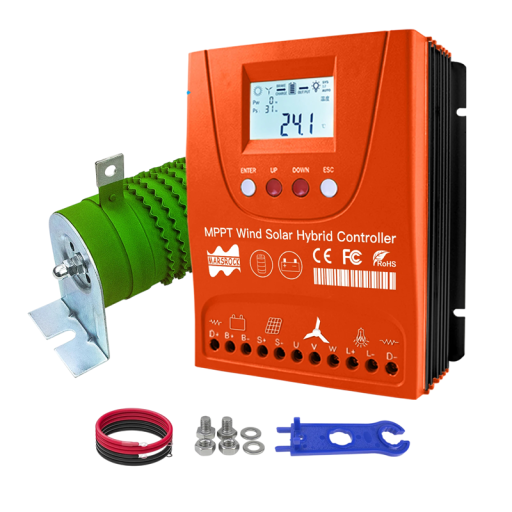
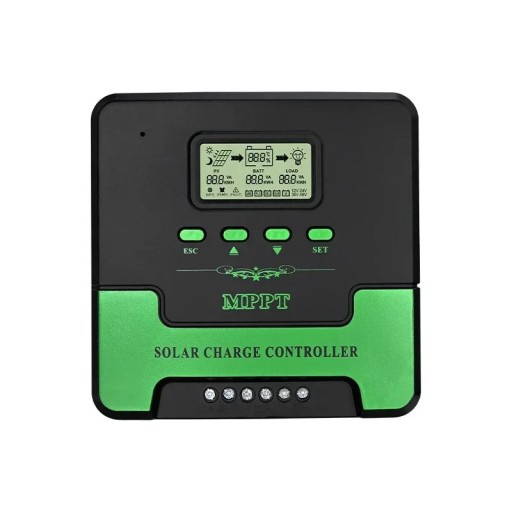
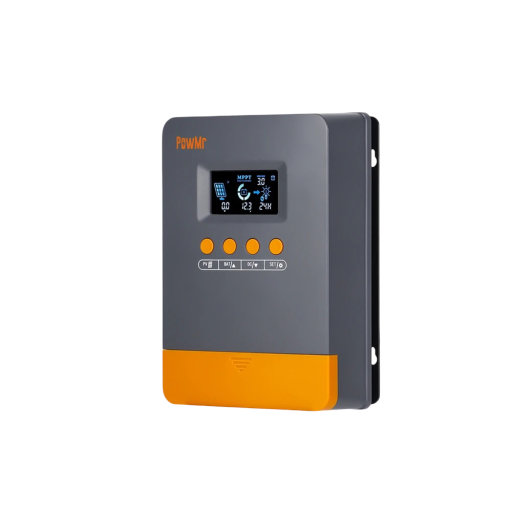
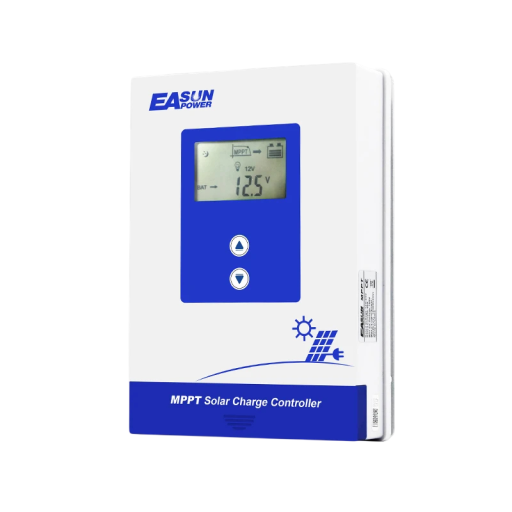
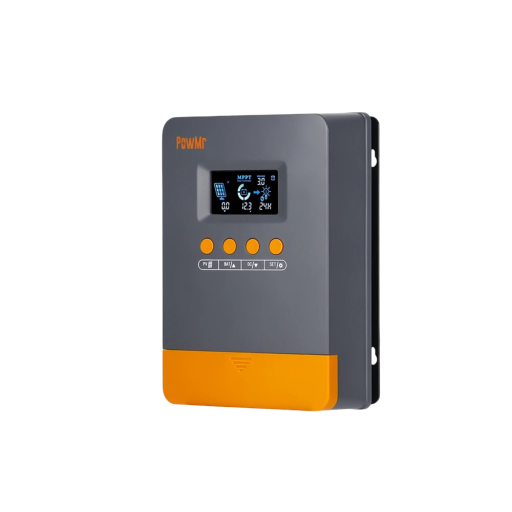
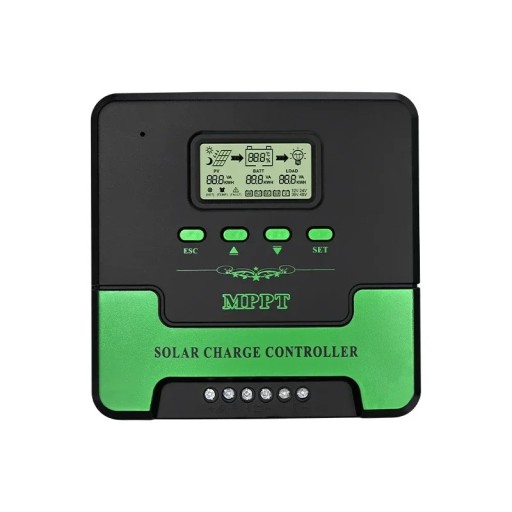
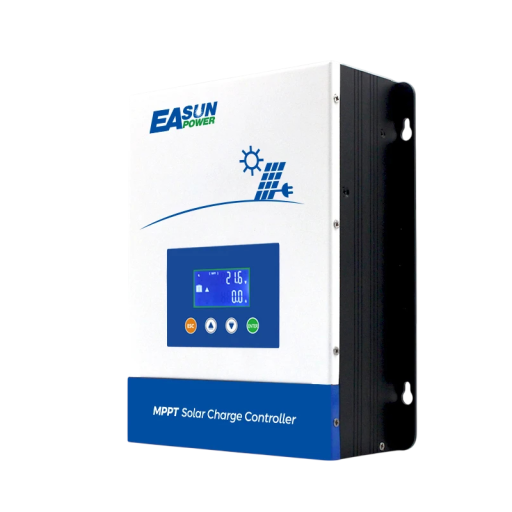
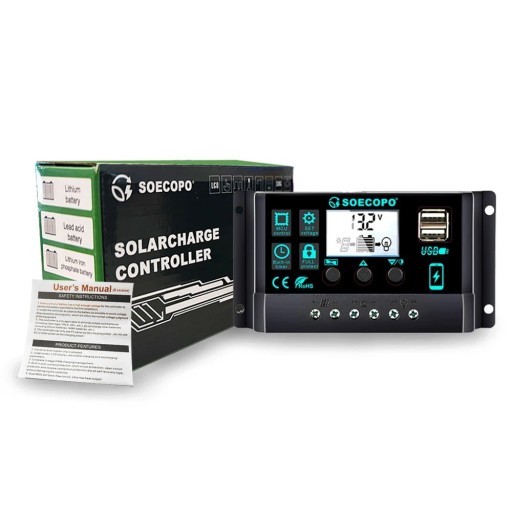
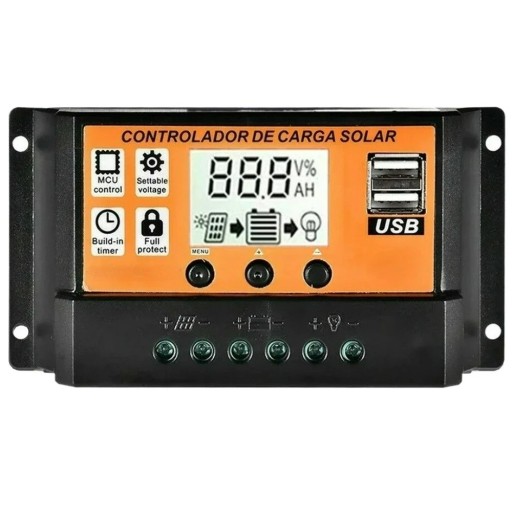
Solar charge controllers
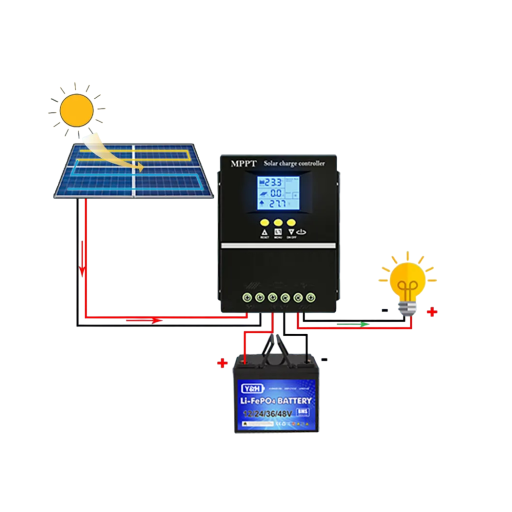
A solar panel supplies a variable voltage that fluctuates with the intensity of the sunlight, yet batteries need a stable, regulated supply of energy to charge correctly. This regulation is handled by the charge controller connected between the panels and the battery. It monitors the charging voltage and current, prevents overcharging and excessive discharge and thus considerably extends the life of the batteries. Without it, uncontrolled charging would quickly damage the cells.
Two main types are distinguished by their operating principle. PWM controllers are simple and affordable and work best when the panel voltage matches the battery voltage. MPPT controllers, on the other hand, constantly track the panel's maximum power point and convert surplus voltage into a higher charging current, so they draw noticeably more energy from the same setup, especially in poorer light conditions or with higher-voltage panels.
The system voltage is decisive in the choice, usually 12, 24 or 48 V, along with the maximum charging current in amps, which must match the power of the connected panels. For MPPT types, the maximum input voltage of the panels also matters. It is worth checking the supported battery types as well, since gel, AGM and lithium (LiFePO4) batteries require different charging profiles.
Additional functions play a practical role, such as a display giving an overview of the output and battery status, USB outputs for small devices, temperature compensation or a connection to an app. Installation is usually easy — the controller is connected between the panels and the battery, and on many models the basic settings can be adjusted directly on the display. A well-chosen solar charge controller keeps the batteries within a healthy operating range, increases the use of the energy produced and protects the whole setup from damage.