




























































































Network Cables
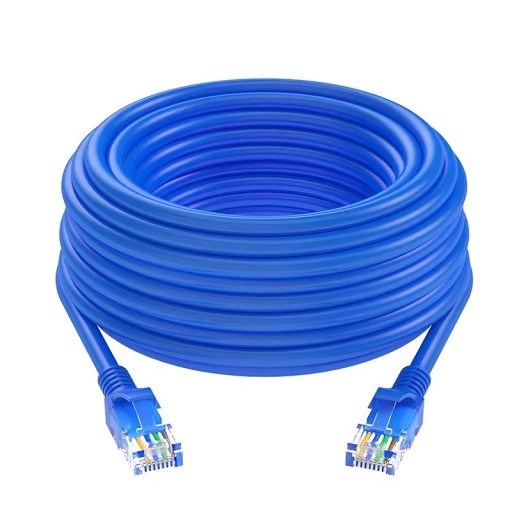
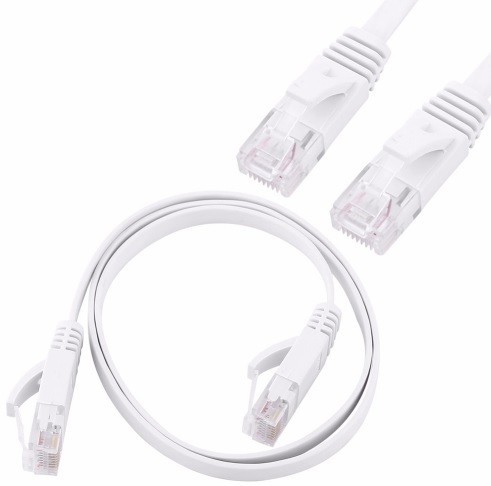
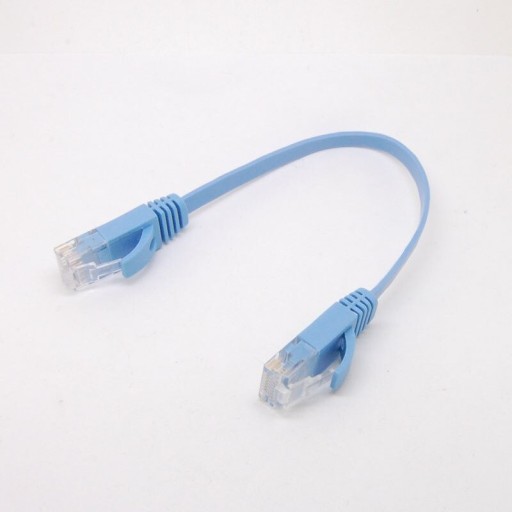
A stable internet connection often depends on a quality physical link between devices. Network cables connect computers, routers, switches and other elements within a network, ensuring reliable data transfer. They differ in category, length and construction according to the demands on speed and environment.
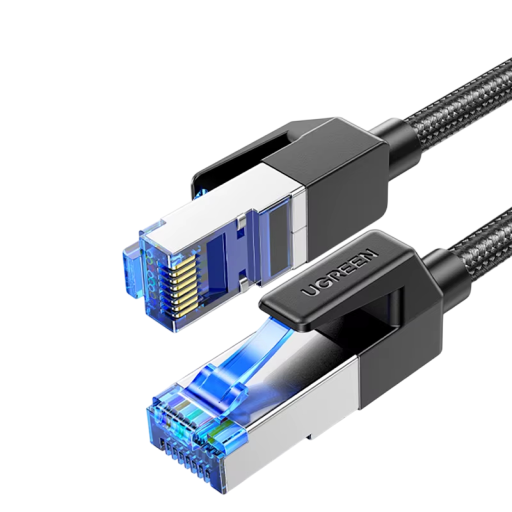
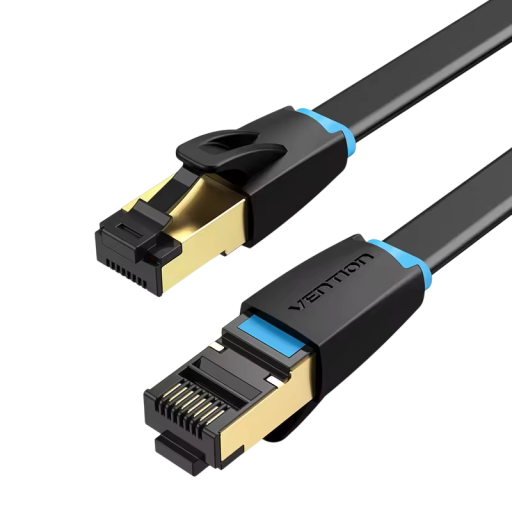
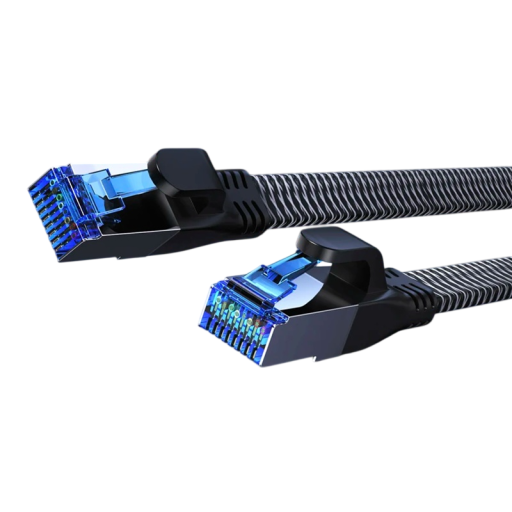
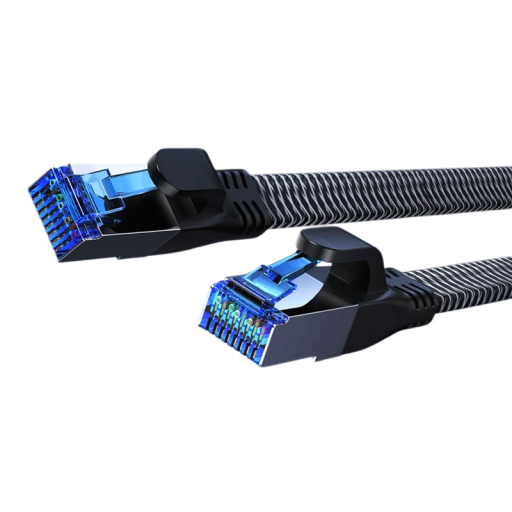
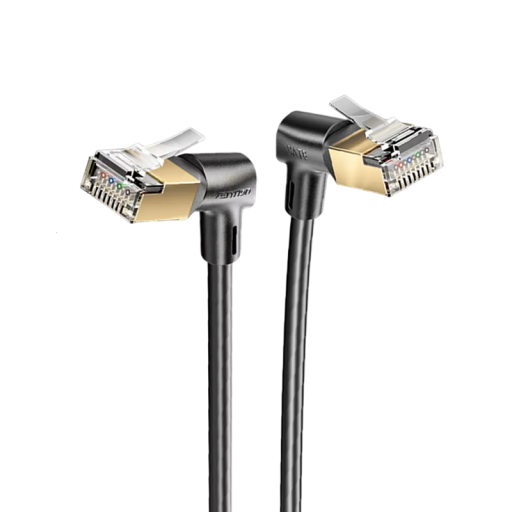
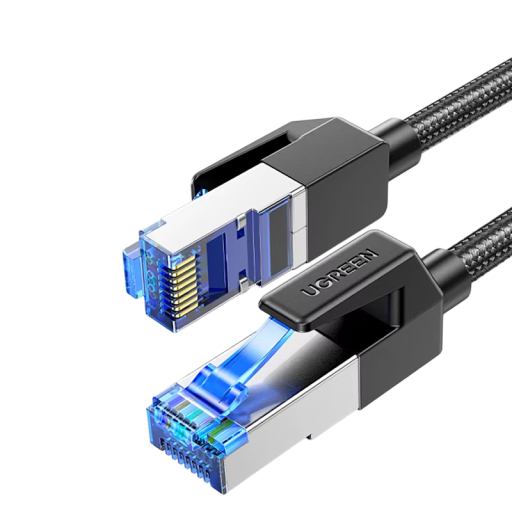
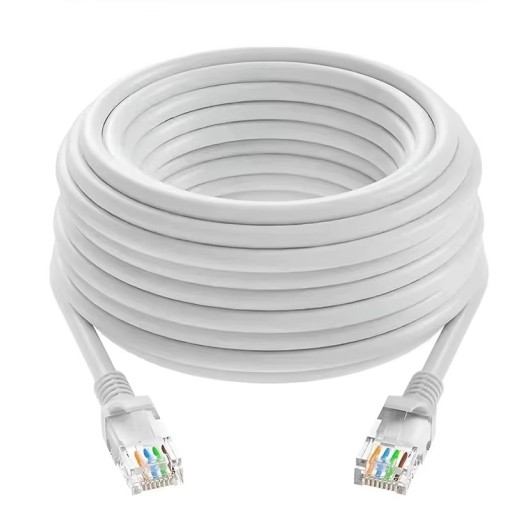
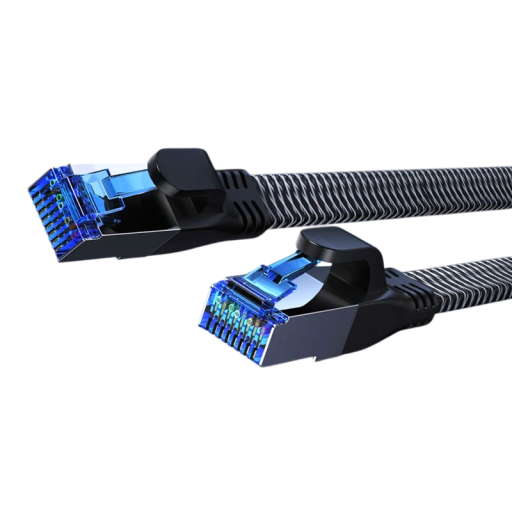
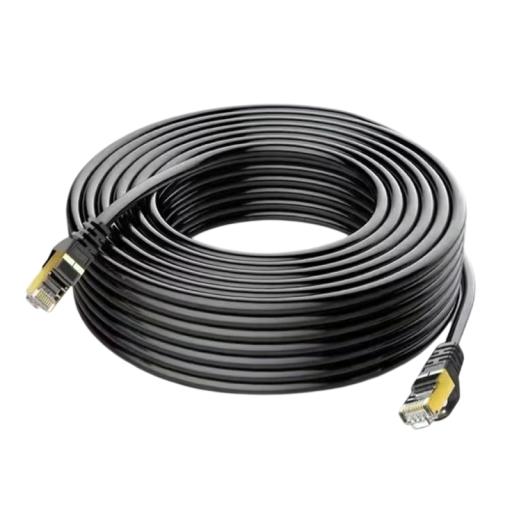
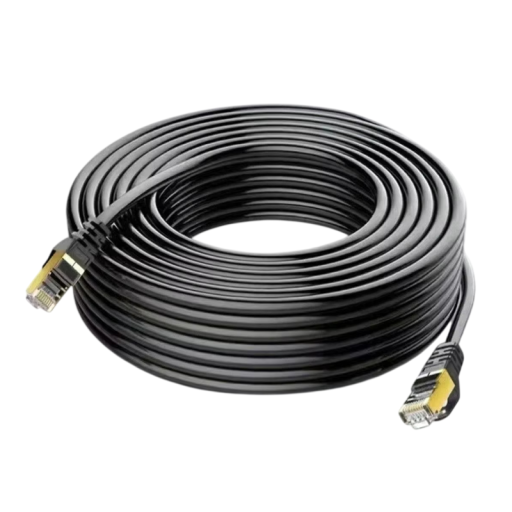
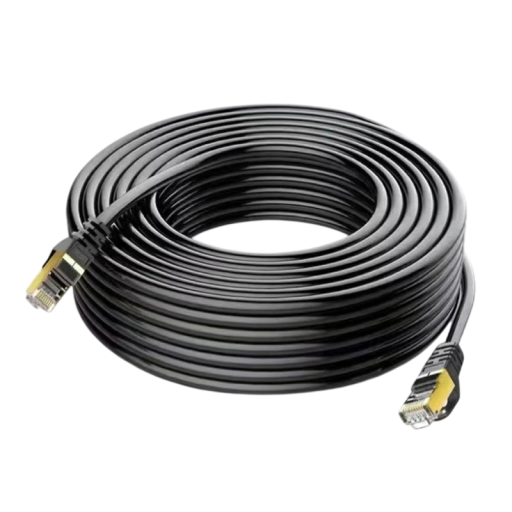

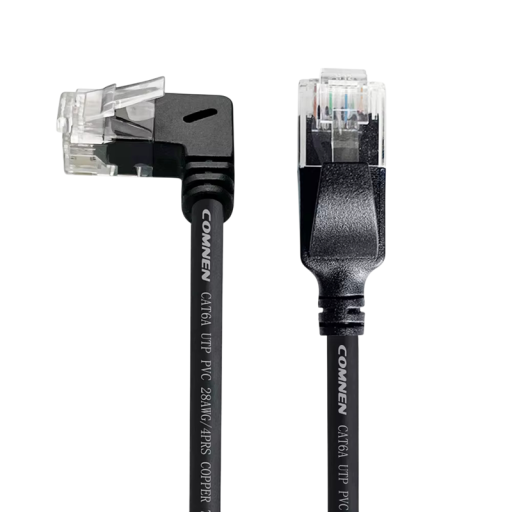
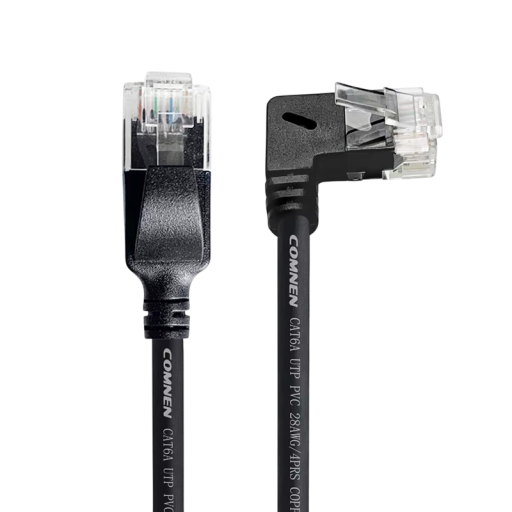
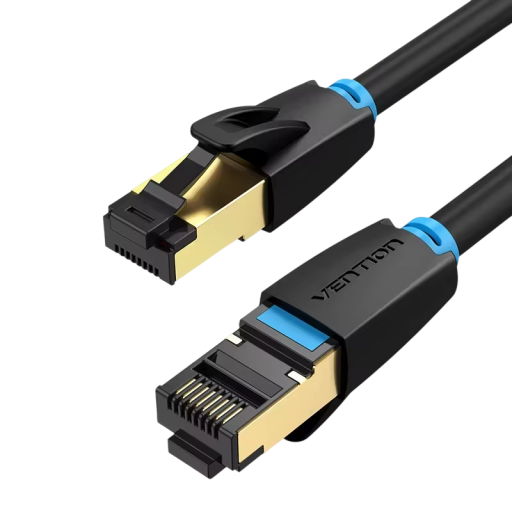
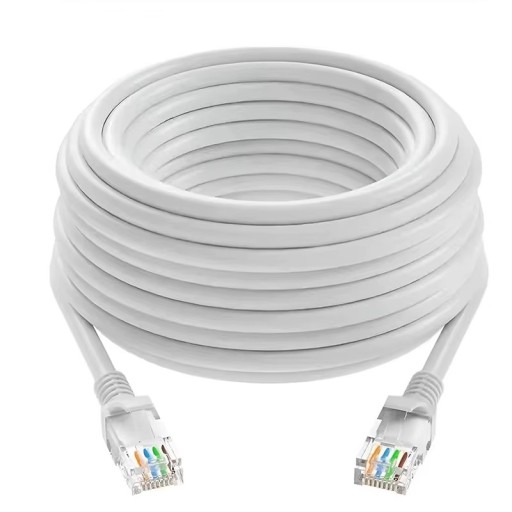
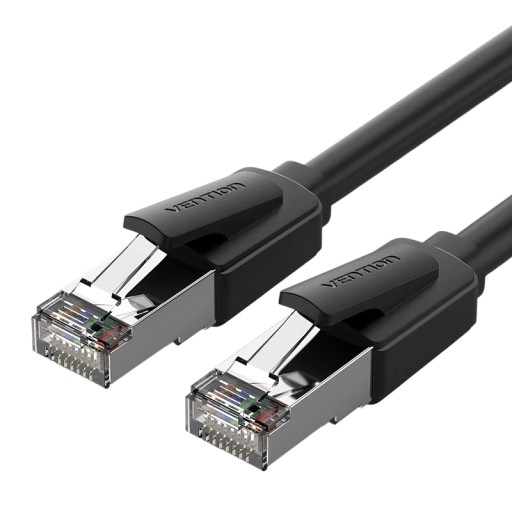
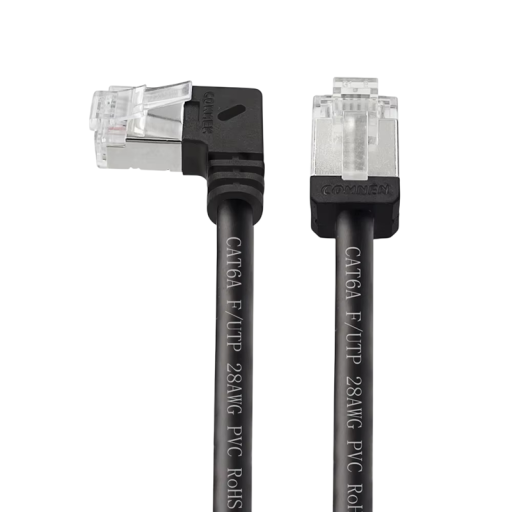
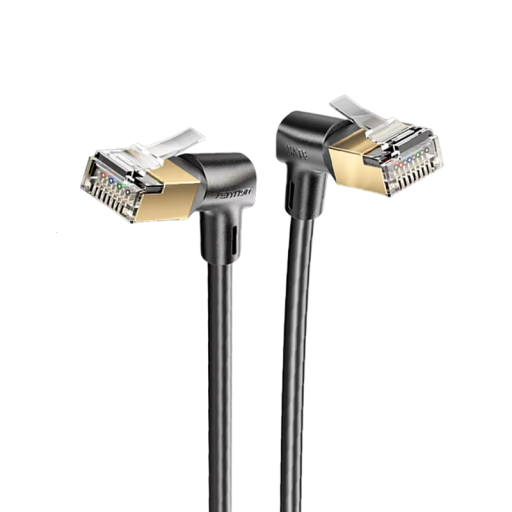
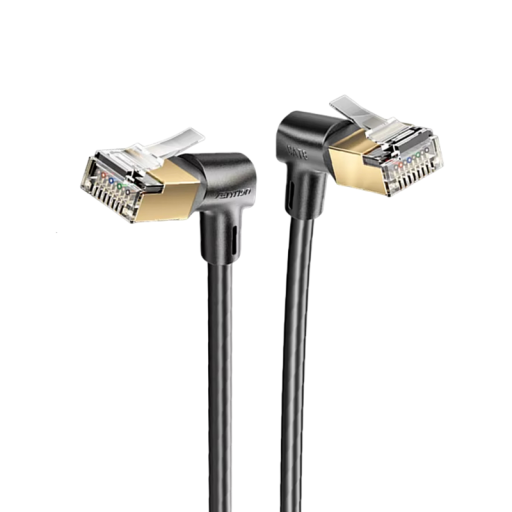
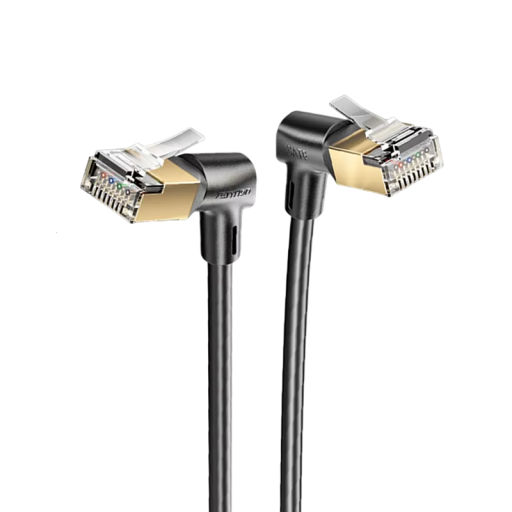
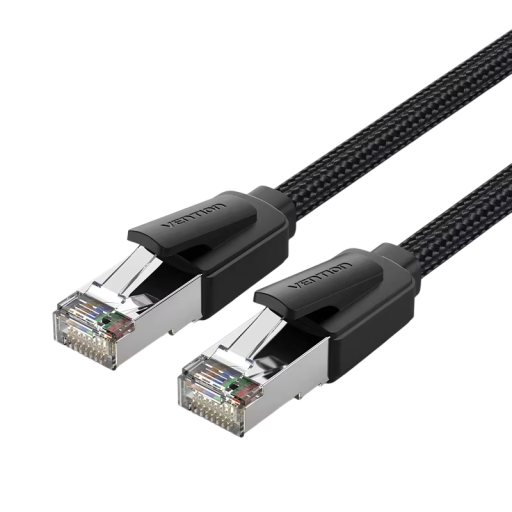
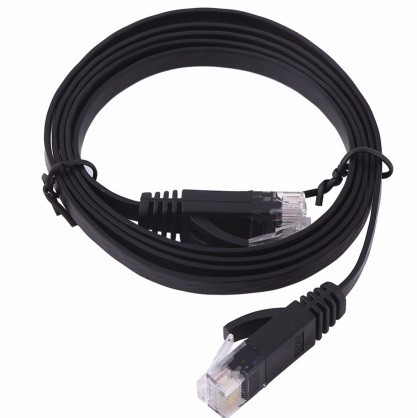
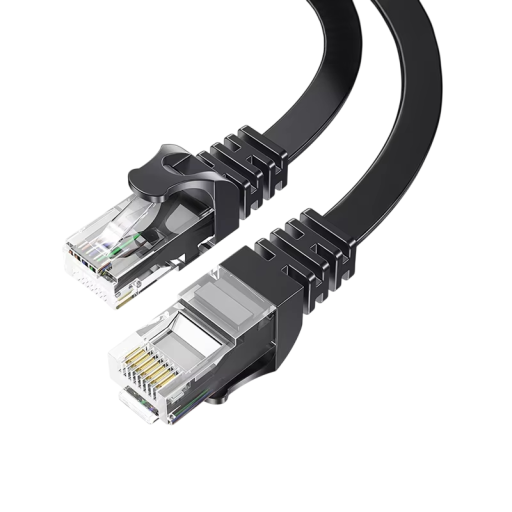


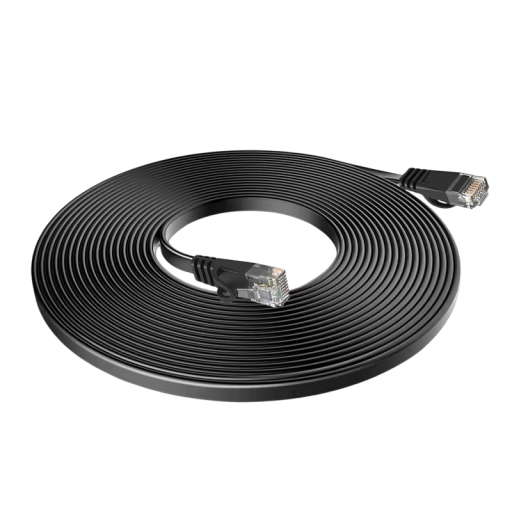
Network Cables
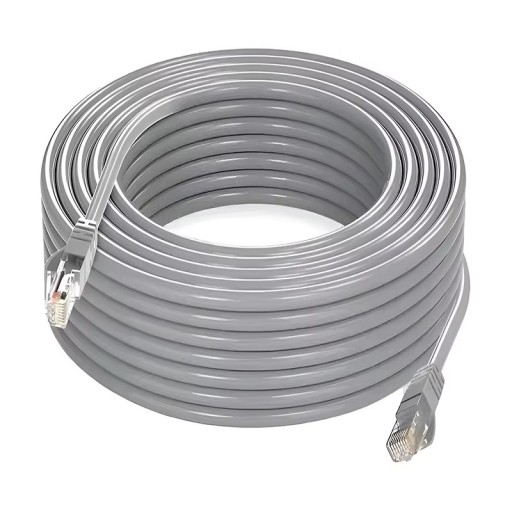
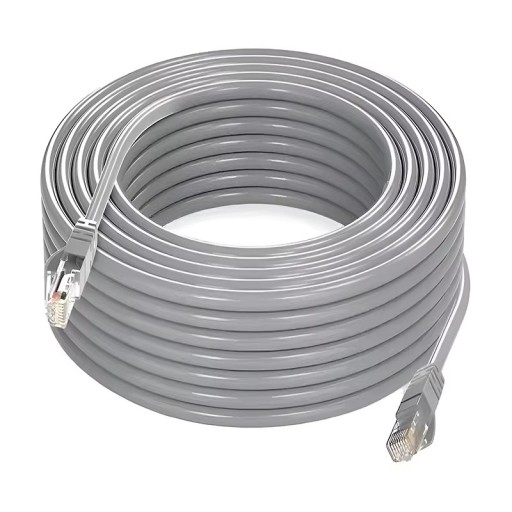
A cabled connection forms the reliable foundation of every computer network. Network cables link individual devices so that data can flow smoothly between them without dropouts. Compared with a wireless solution, they offer more stable transfer and less sensitivity to surrounding interference.
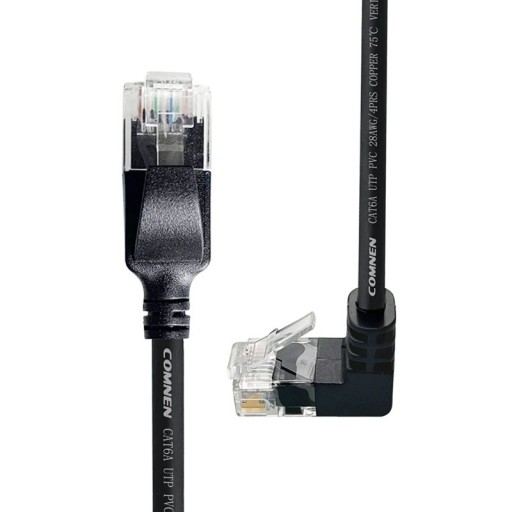
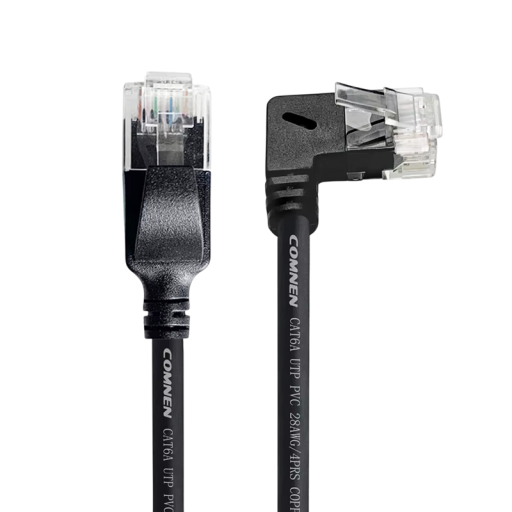
Different types of cable are distinguished mainly by their specifications. Designations such as Cat5e, Cat6 or Cat7 determine their transfer speed as well as their ability to handle heavier data loads. Choosing the right option depends on whether it is for ordinary home use or a more demanding network environment.
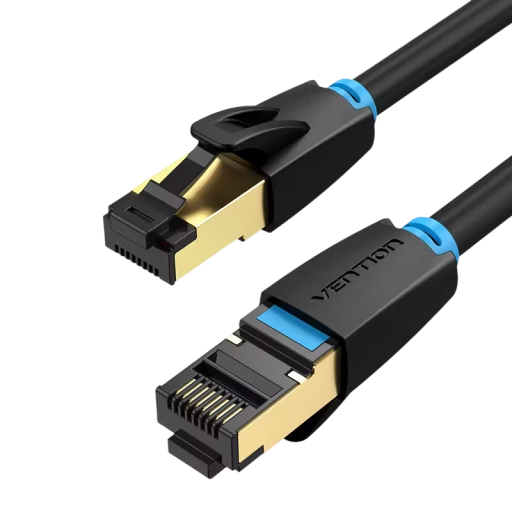
The internal construction of a cable affects how it behaves during installation and use. Some versions are more flexible and suited to everyday use, while others have a sturdier structure for long-term wiring. There is also a difference between UTP and STP versions, where shielding helps reduce the influence of electromagnetic interference.
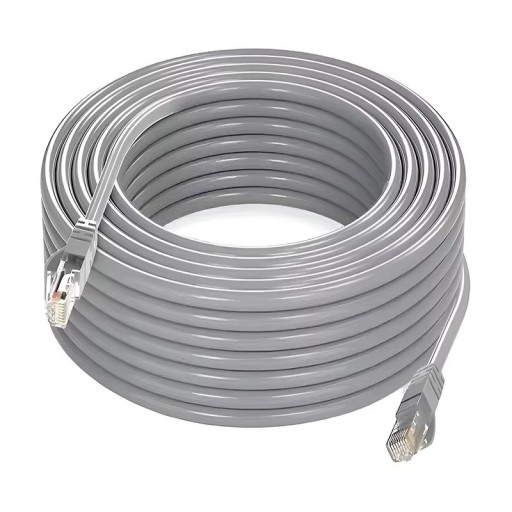
The placement of the cable and its length also play a significant role. Network cables make it possible to create a stable link even where a wireless connection might not be reliable enough, for example in larger spaces or under a heavier network load.