

































































Car bulbs
Reliable lighting is the basis of safe driving in the dark, in rain and in fog. Car bulbs keep headlights, fog lights, indicators, brake lights, sidelights, number plate lights and interior lights working. They come in halogen, xenon and LED versions with the most common bases for cars and commercial vehicles. The right bulb puts light exactly where it is needed without dazzling oncoming drivers. On most cars, you can replace a bulb yourself without a trip to the garage.
Car bulbs
The deciding factor is the bulb base type, meaning a code such as H1, H4, H7, H11, W5W, P21W or PY21W. Each base has its own shape and fitting, so a bulb of a different type will not fit the headlight. The correct type is listed in the vehicle handbook, in an online catalogue by car model or on the original bulb. Voltage matters too: cars use a 12 V system, while lorries and buses use 24 V.
The base or glass also shows the wattage and the E approval mark with a country number, which confirms the bulb is approved for road use. Amber indicator bulbs can be recognised by the letter Y in their code, for example PY21W. Twin-filament bulbs such as the H4 or P21/5W handle two functions at once, for example dipped and main beam or sidelight and brake light.
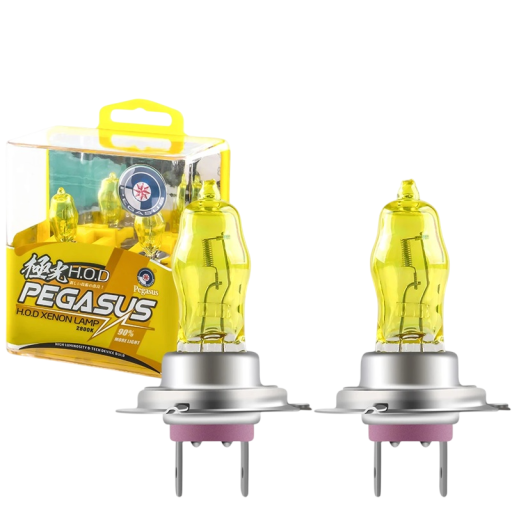
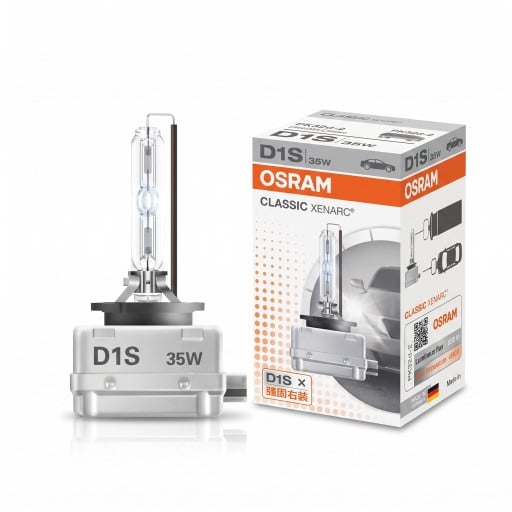
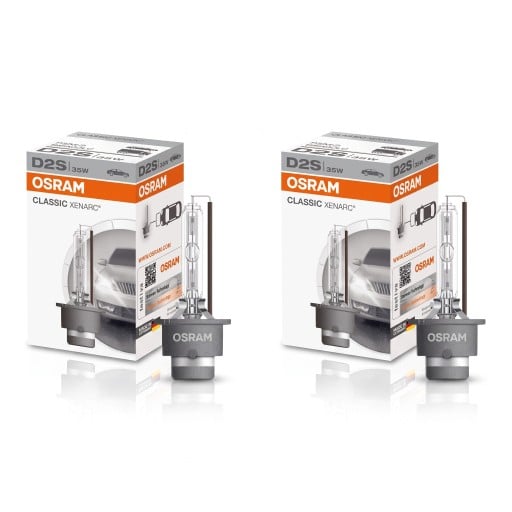
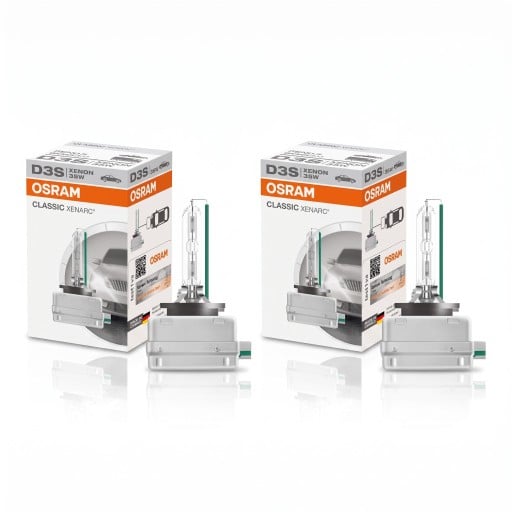
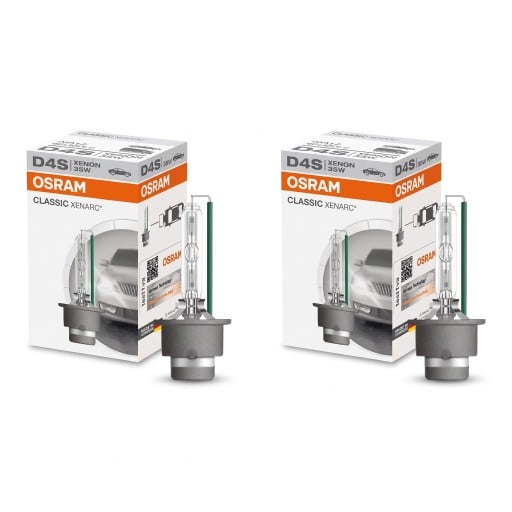
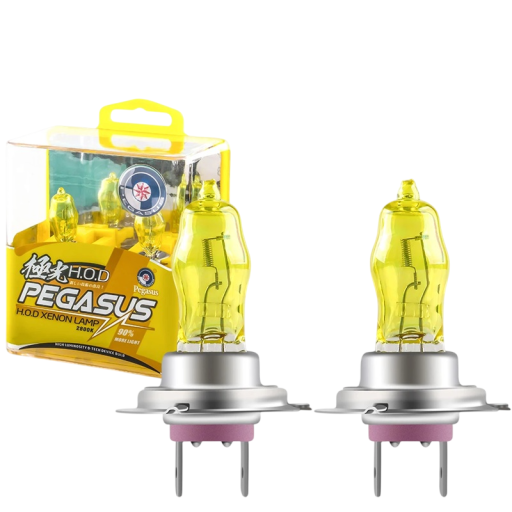
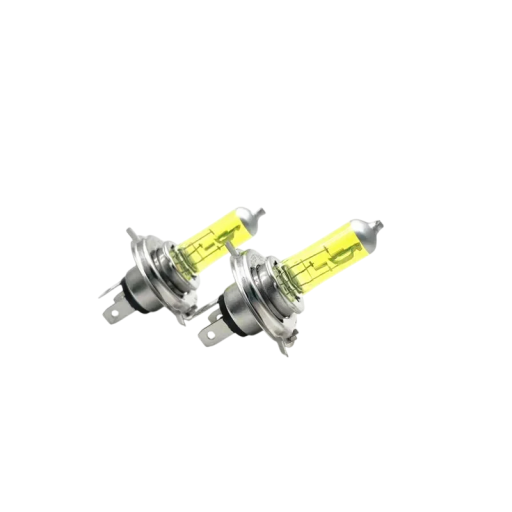
Halogen bulbs are the most common and the most affordable. Besides standard types, there are brighter versions that throw light further and help you spot hazards sooner, and long-life versions valued by drivers who often use their lights. Xenon bulbs such as the D1S, D2S or D3S are used in vehicles fitted from the factory with headlights and a ballast designed for them.
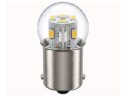
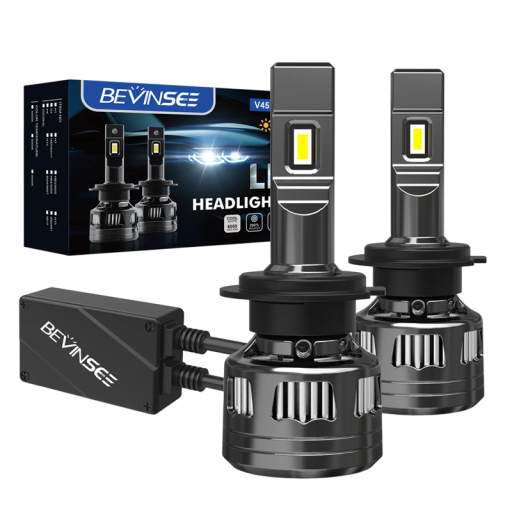
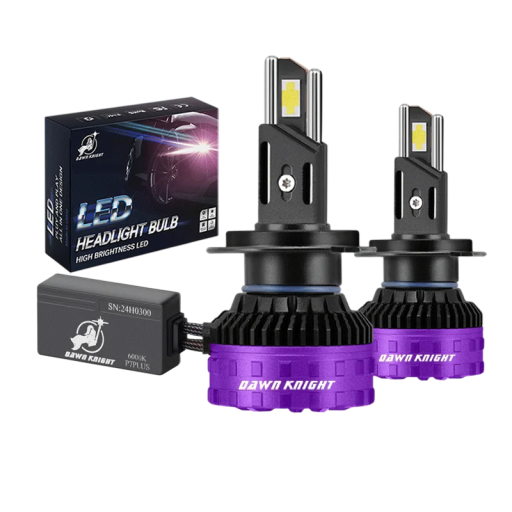
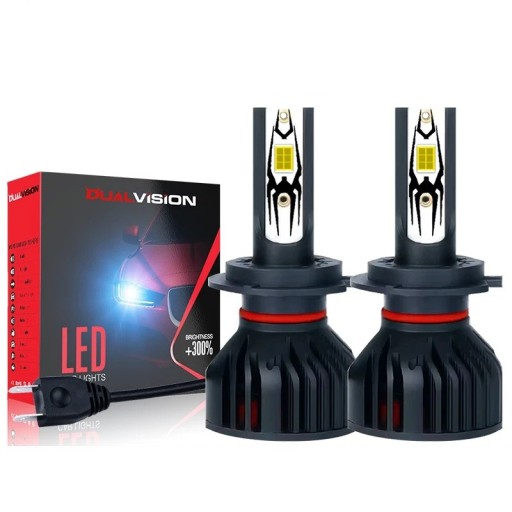
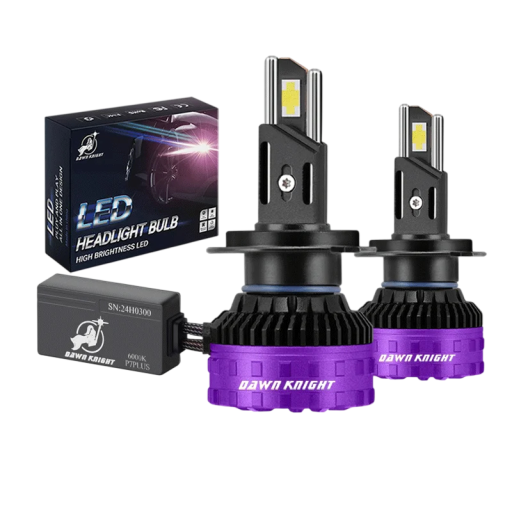
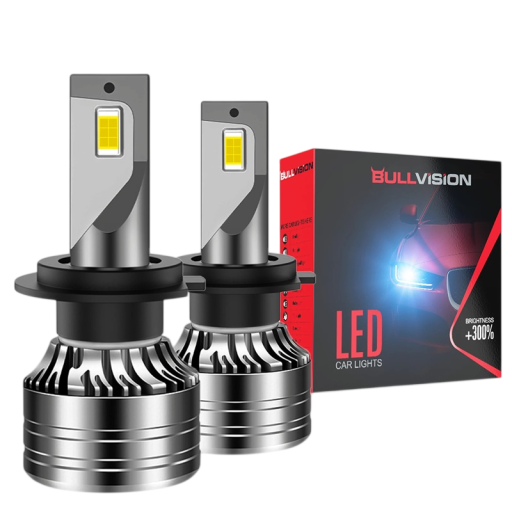
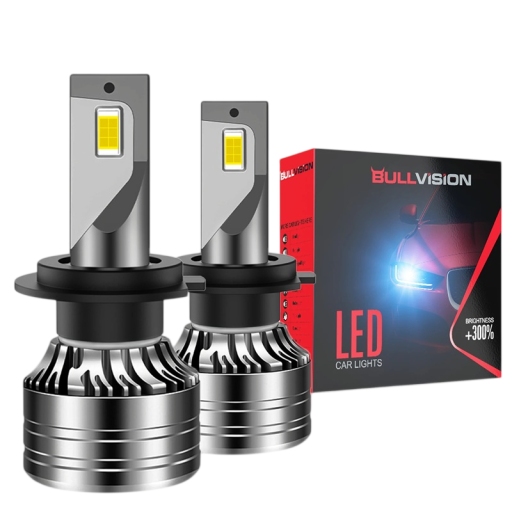
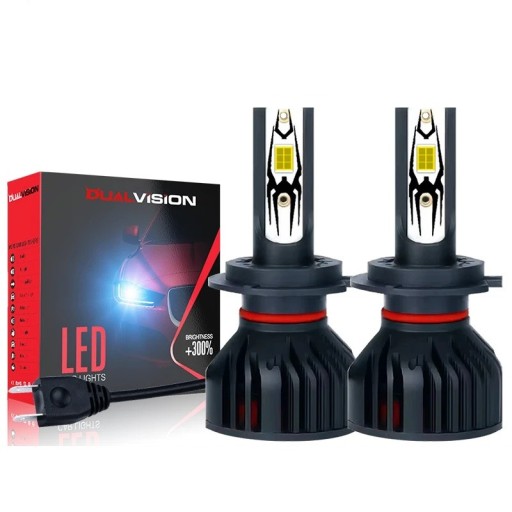
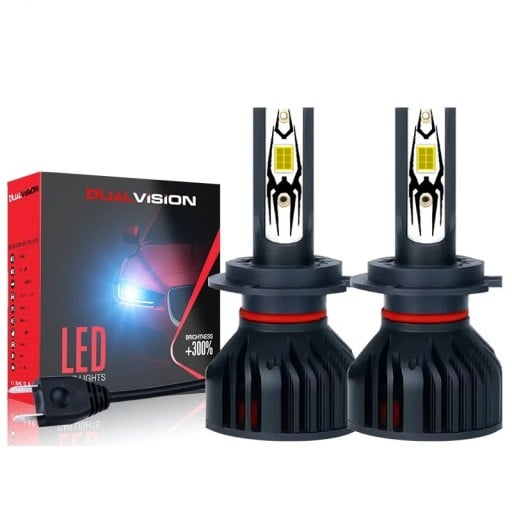
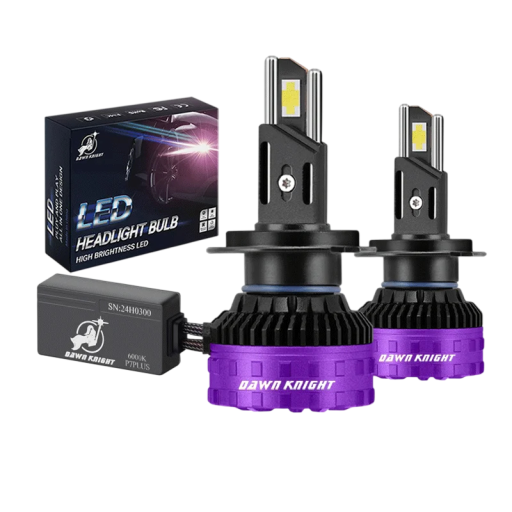
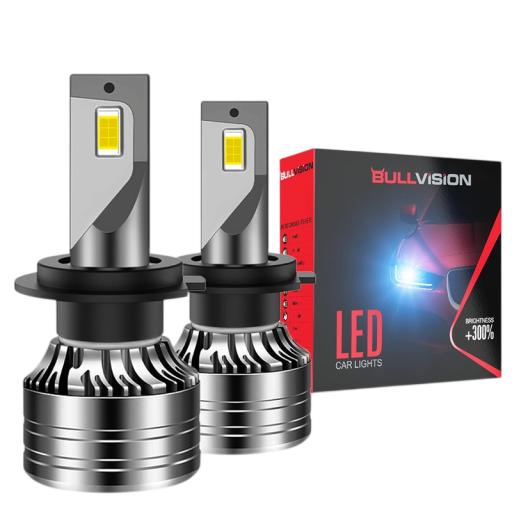
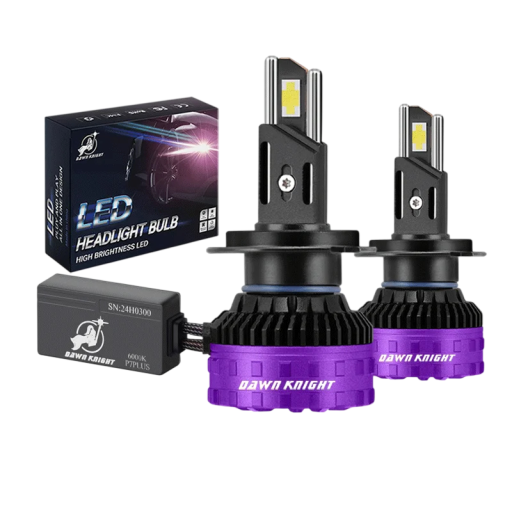
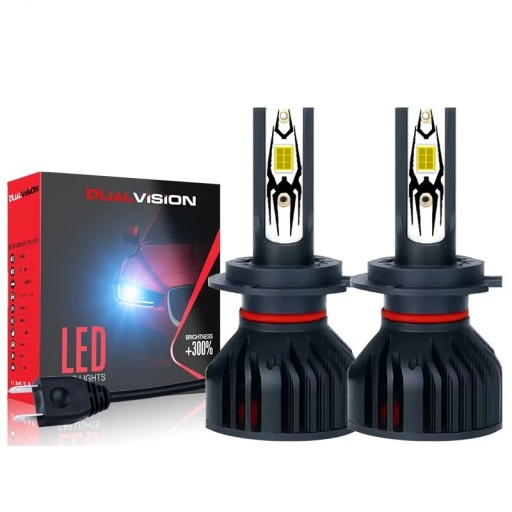
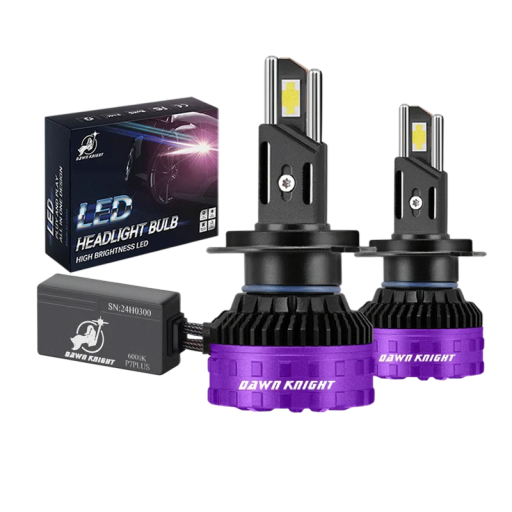
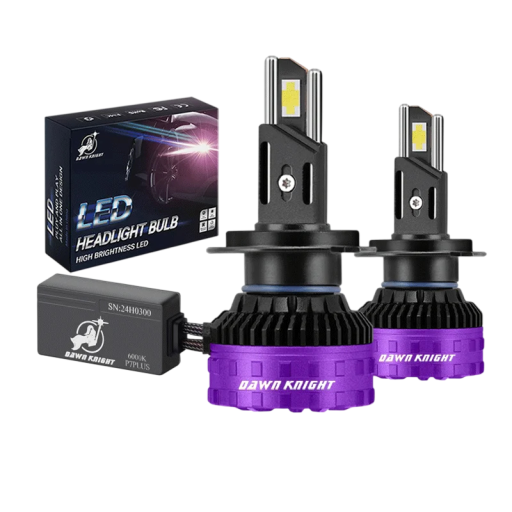
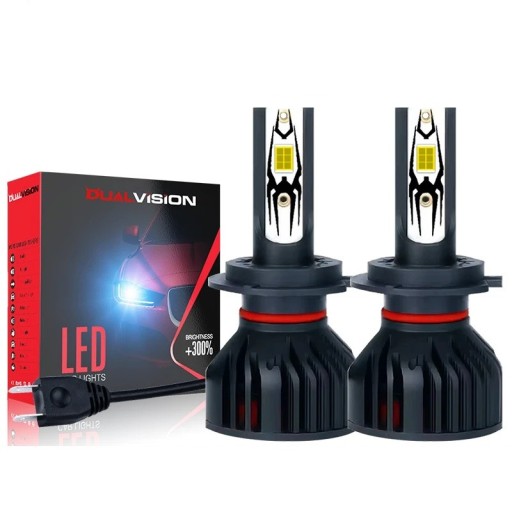
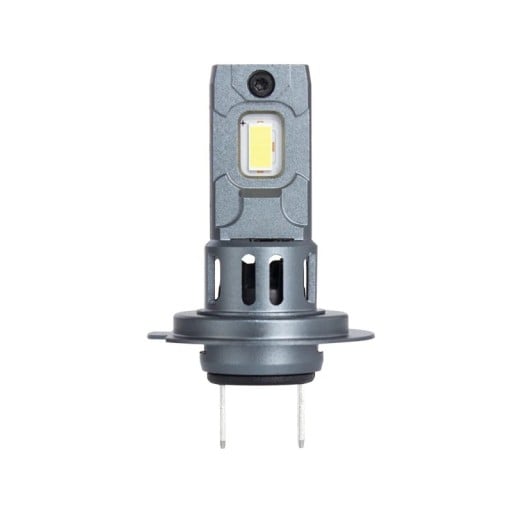
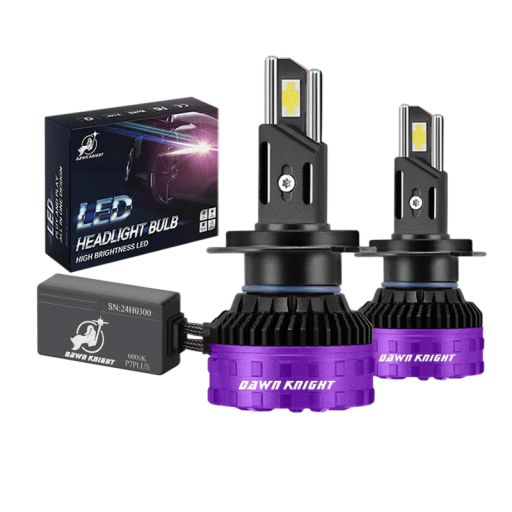
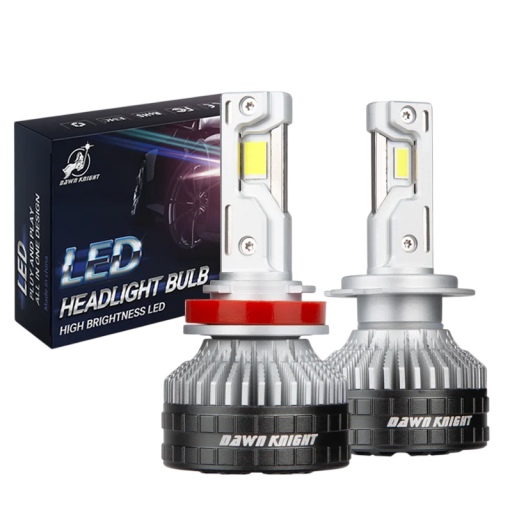
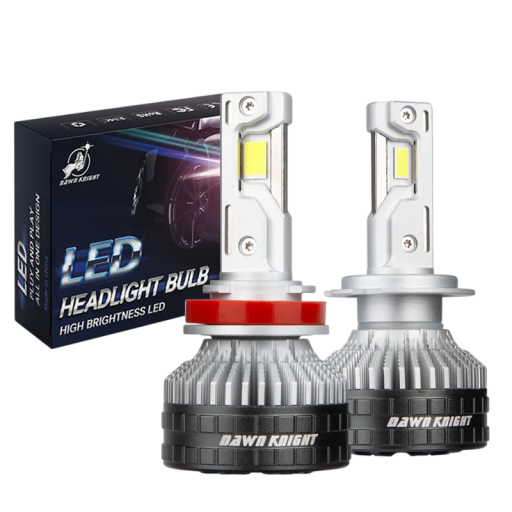
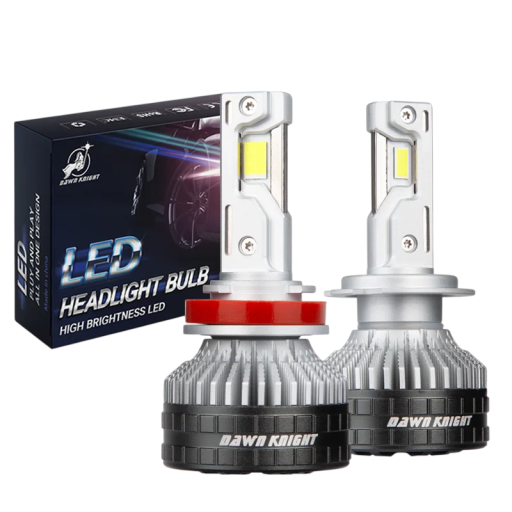
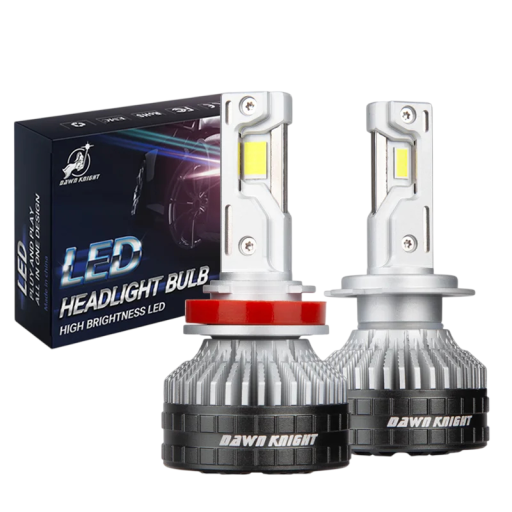
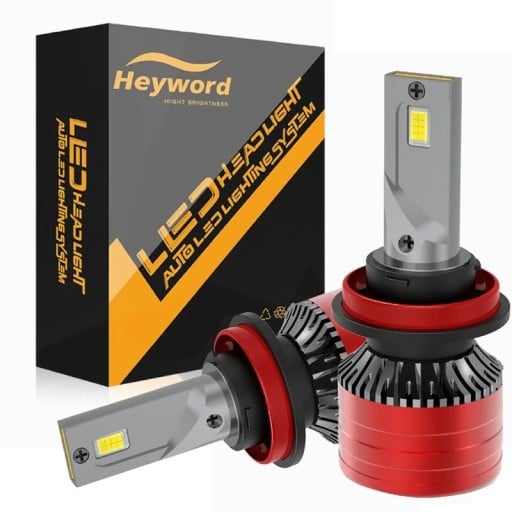
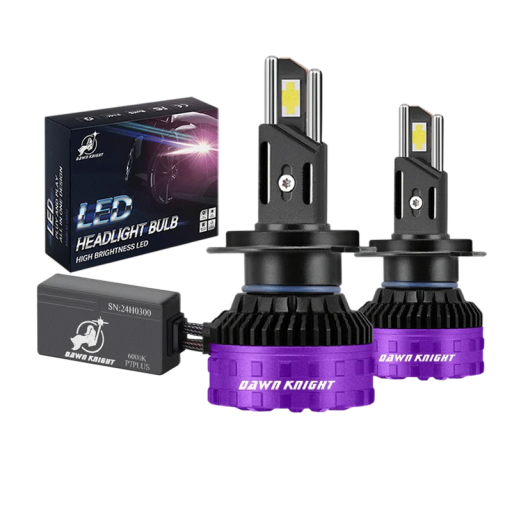
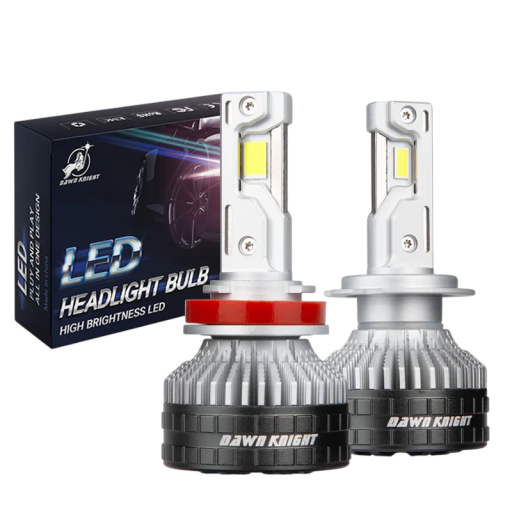
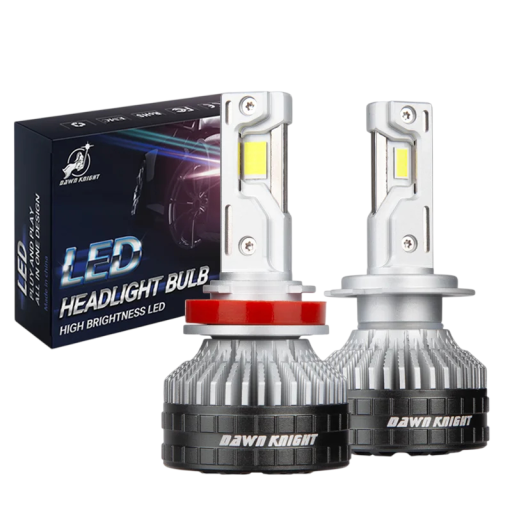
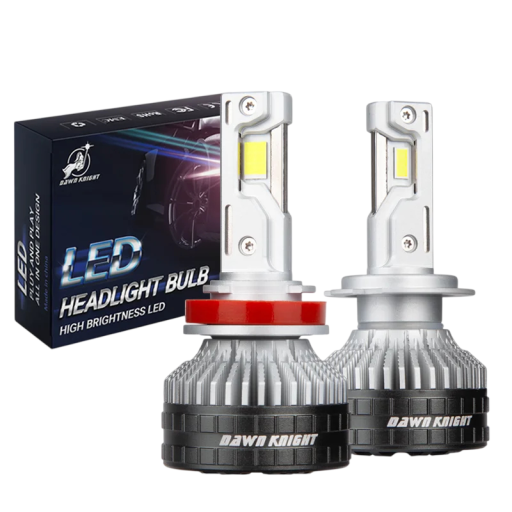
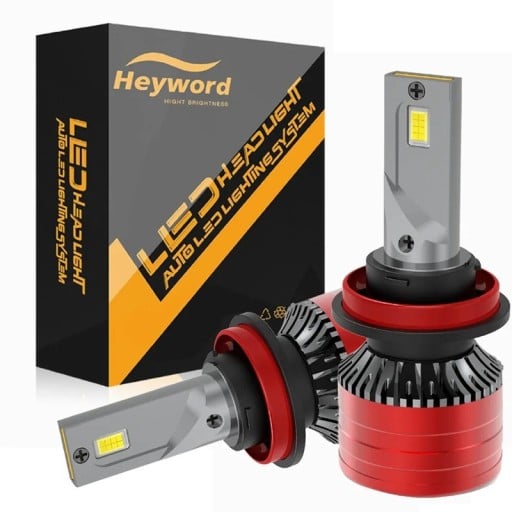
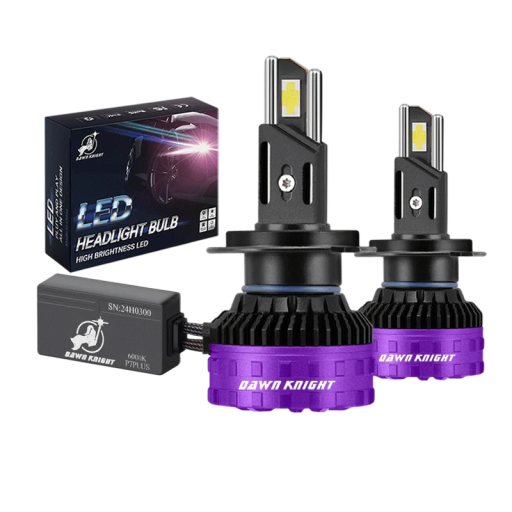
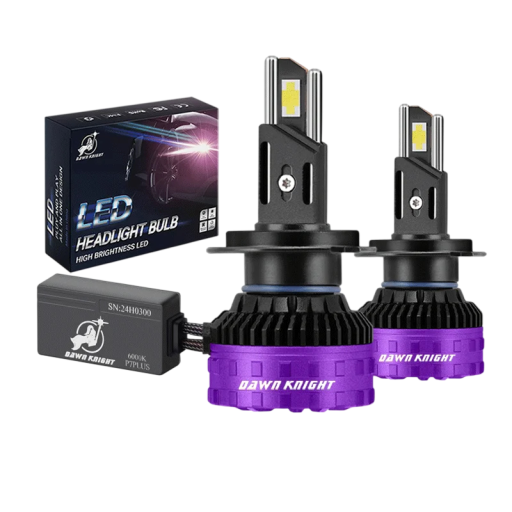
LED bulbs use little power, reach full brightness instantly and last a long time. They are best suited to interior lights, number plate lights and sidelights. To be used in headlights on public roads, they must be approved for the specific vehicle. In some cars, an LED bulb can trigger a bulb failure warning because it draws less current; CANbus versions solve this.
Headlight bulbs are best replaced in pairs, because the other bulb is usually near the end of its life too, and both sides then shine equally. Do not touch the glass of a halogen bulb with bare fingers, as oil from the skin shortens its life. After replacing a bulb, it is worth having the headlight alignment checked. It is also worth keeping a spare bulb kit in the car at all times.