

























































Paddleboard accessories
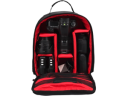
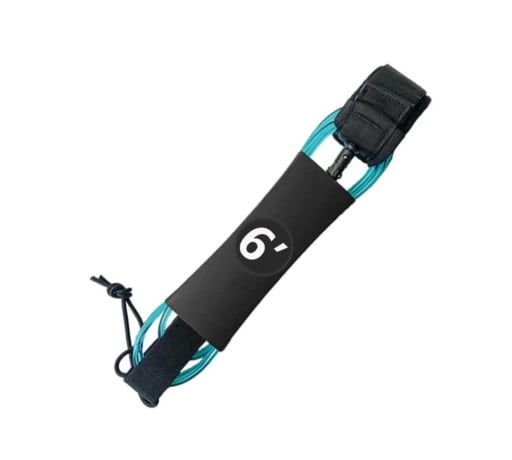
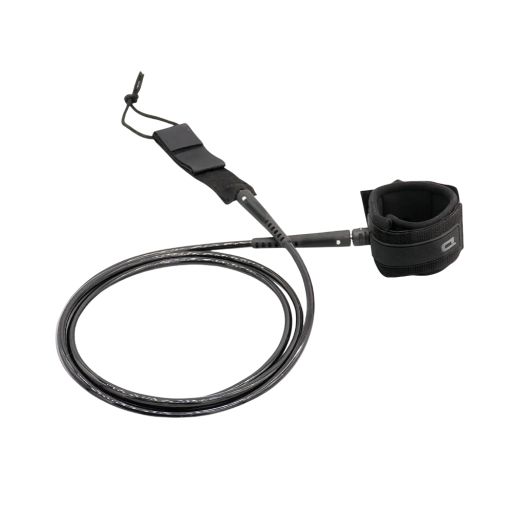
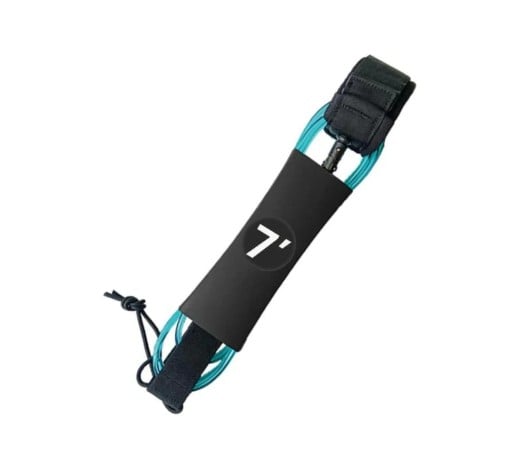
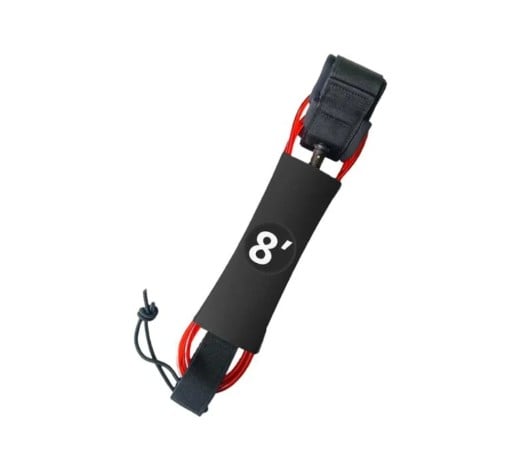
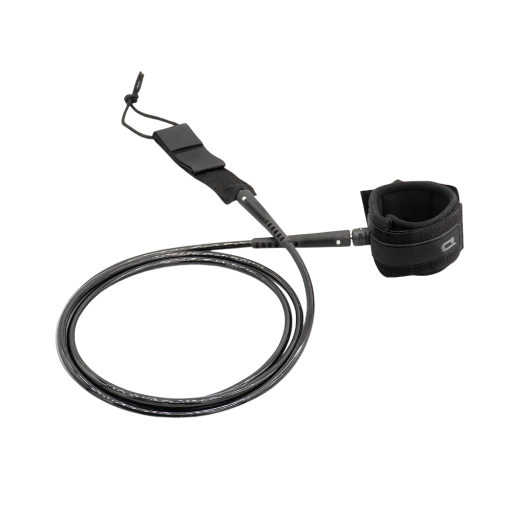
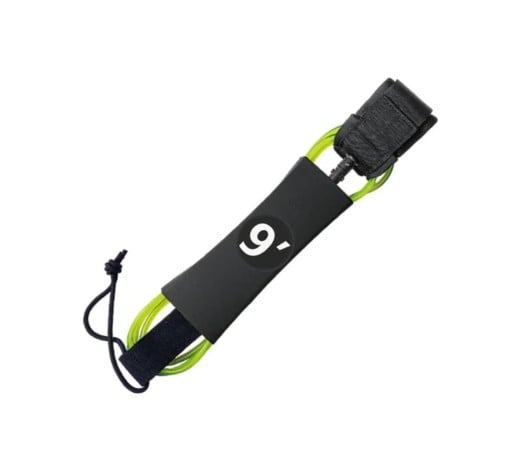
This category holds everything you pack alongside the board: paddles, pumps, fins, leashes, backpacks, seats and repair kits. On the paddle it is length and material that decide, on the pump it is double action and a gauge. The seat clips to the D-rings and the SUP board turns into a kayak in a few minutes. And the repair kit with a valve wrench fixes the most common cause of a slow air leak.






Paddleboard accessories
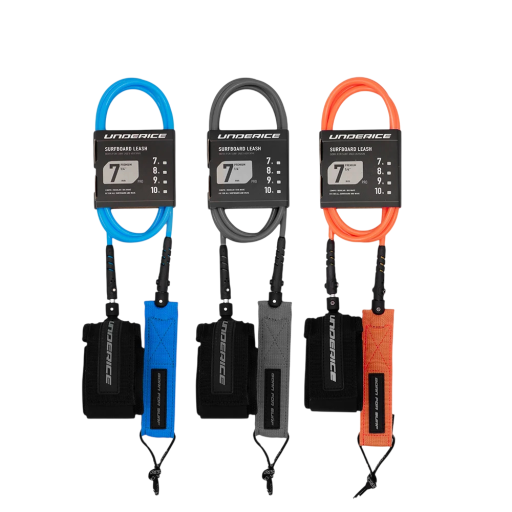
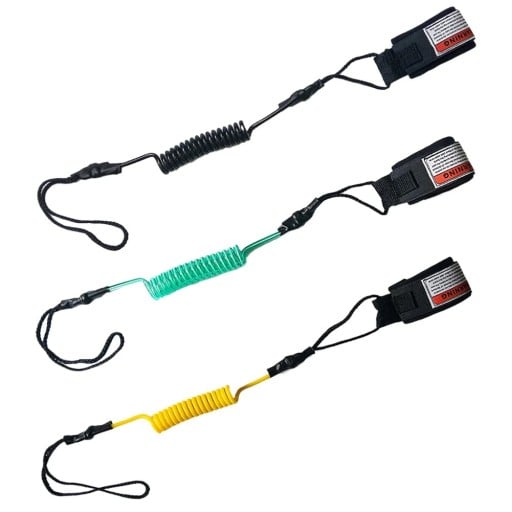
This category covers the gear for a SUP board, not the boards themselves, which sit next door. You will find paddles, pumps, spare fins, leashes, backpacks and bags, seats and patch kits. Most of it fits any board, because almost every inflatable carries a Halkey-Roberts valve. The differences lie in the length, in the material and in how much work a piece saves you.
First the paddle, because you hold it the whole time and feel every gram of it. The general rule is your height plus twenty to twenty-five centimetres, and a three-piece shaft covers that range for several people in one family. An aluminium paddle weighs around nine hundred grams, a composite one around seven hundred and a carbon one just under five hundred, so you feel the difference in your shoulders after an hour. A blade between five hundred and fifty and six hundred and ten square centimetres suits most people, because a smaller one pulls more lightly and invites a quicker cadence, while a bigger one gives more power in each stroke.
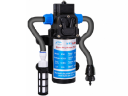
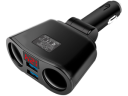
The second piece you cannot do without is the pump. A double-action pump moves air on the push and on the pull and roughly halves the inflating, except that near the end it switches to single action, because against higher pressure you no longer push both ways. Most inflatable boards are pumped to fifteen psi, so a gauge on the pump is worth more to you than another litre of volume. An electric pump off the twelve-volt socket in the car handles both stages on its own and shuts off at the pressure you set.
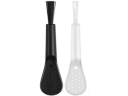
When your legs give out, the seat and the kayak conversion come next. The seat straps to the D-rings on the deck, so any board that has them will take it, and nothing gets drilled. On the bare end of the shaft you then click the second blade, and the single-blade paddle becomes a kayak paddle. When you sit down, the centre of gravity drops, so in waves and wind the board behaves more calmly than it does under a standing paddler.
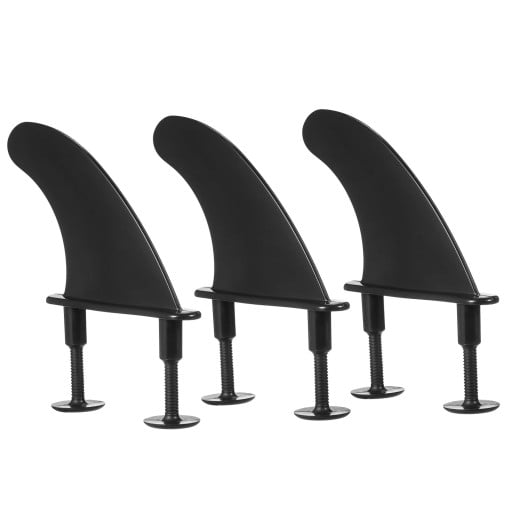
The last group is the repair kit and the valve wrench, and it comes out more often than you expect. When the board softens slowly, it usually bubbles at the valve, whose core works loose in transport, and the wrench tightens it in seconds. The spare fin belongs to the same group, and there you have to watch the fin box, because a fin for a US box will not slide into a click box, nor the other way round.