






























































































Nozzles and cleaning for 3D printing
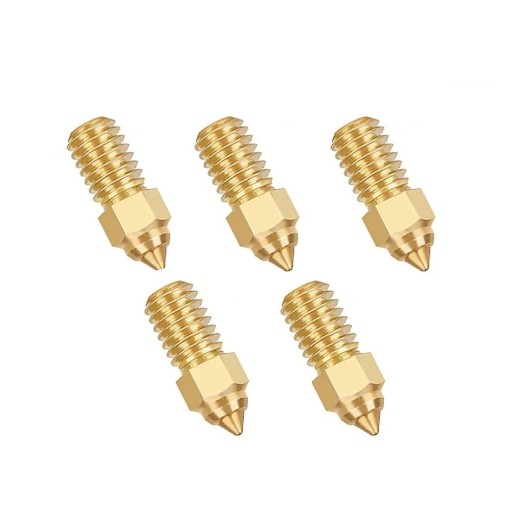
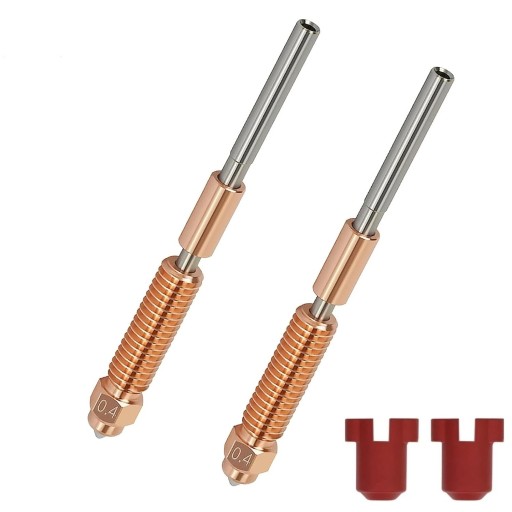
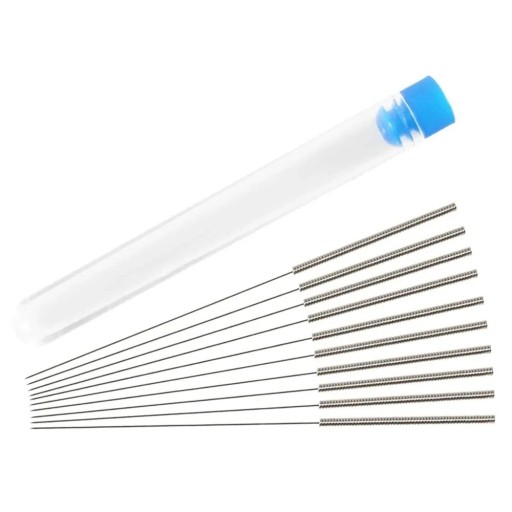
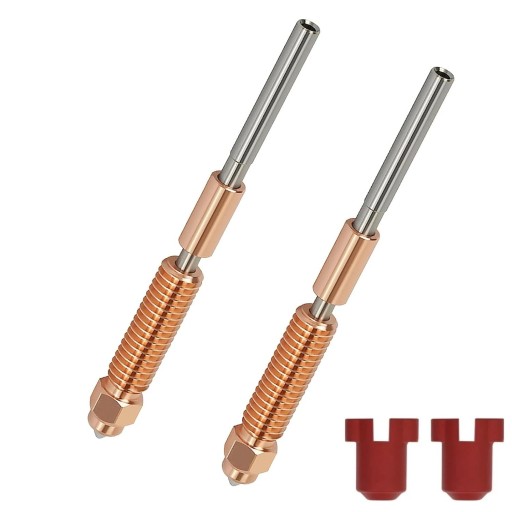
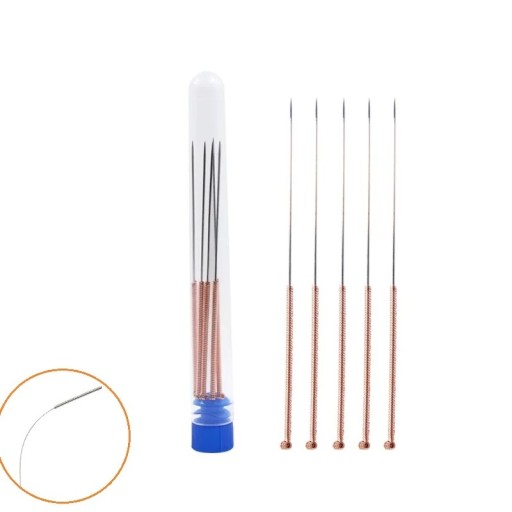
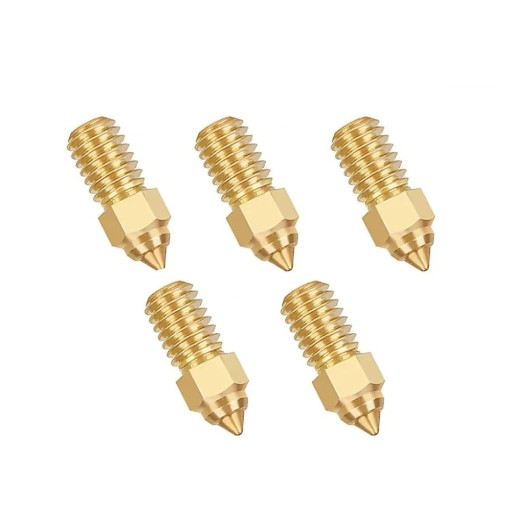
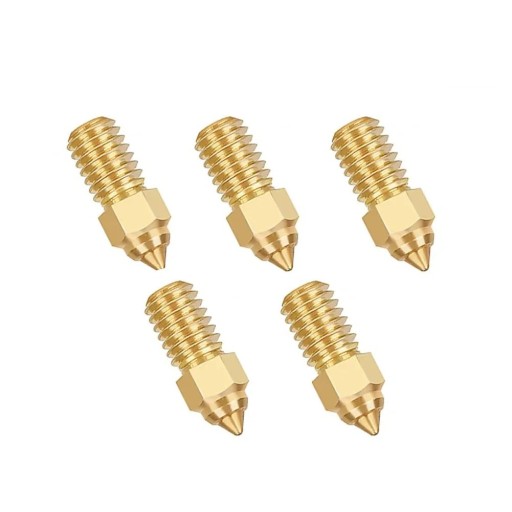
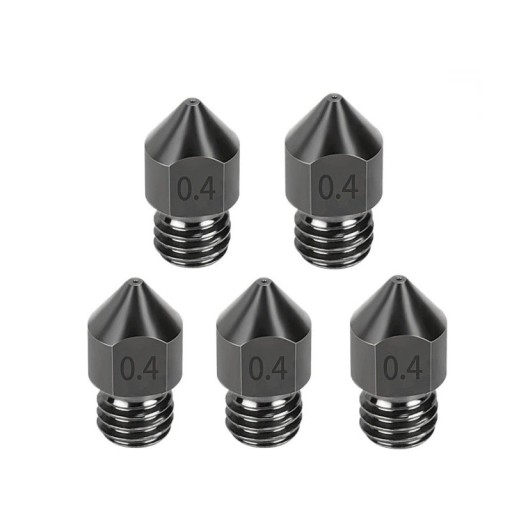
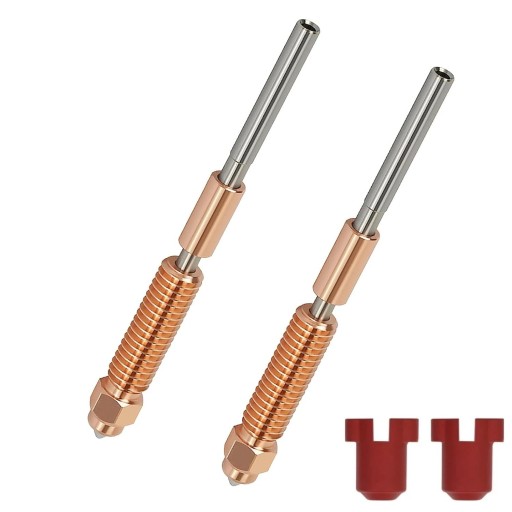
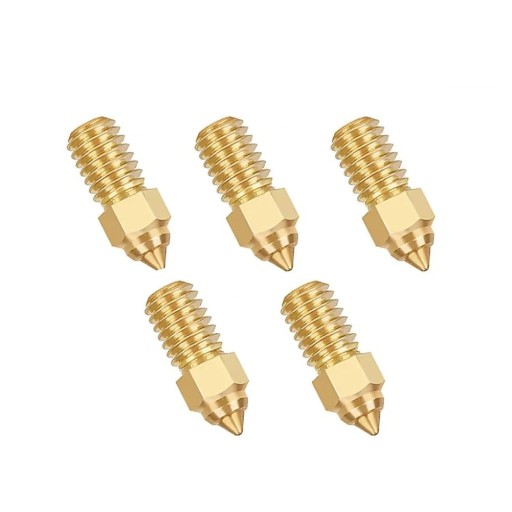
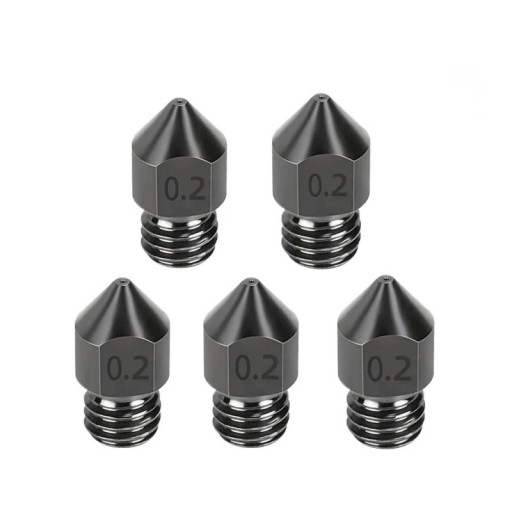
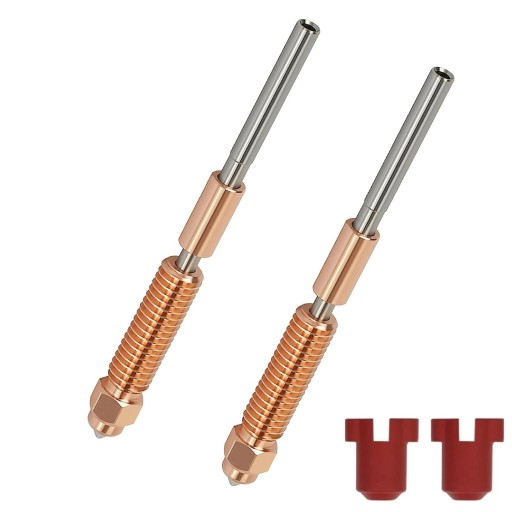
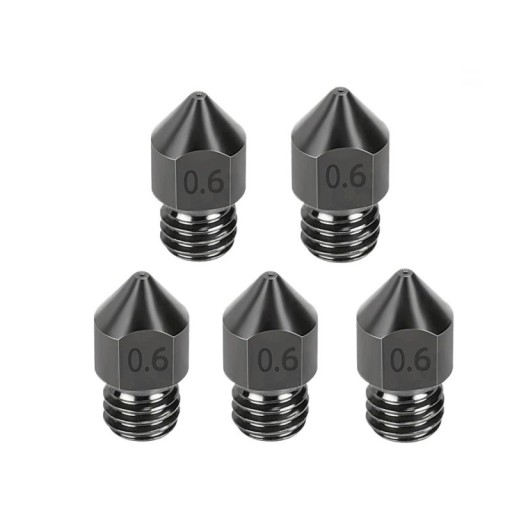
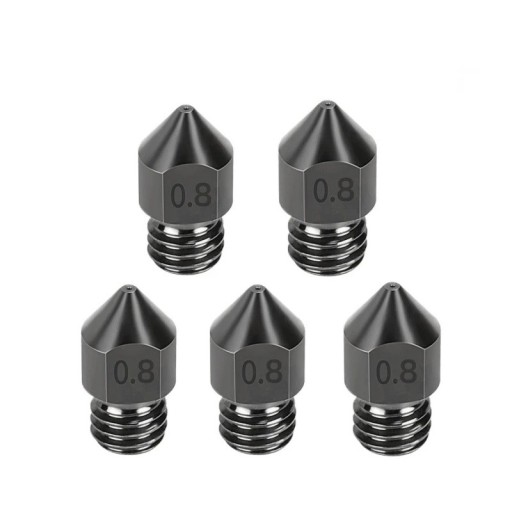
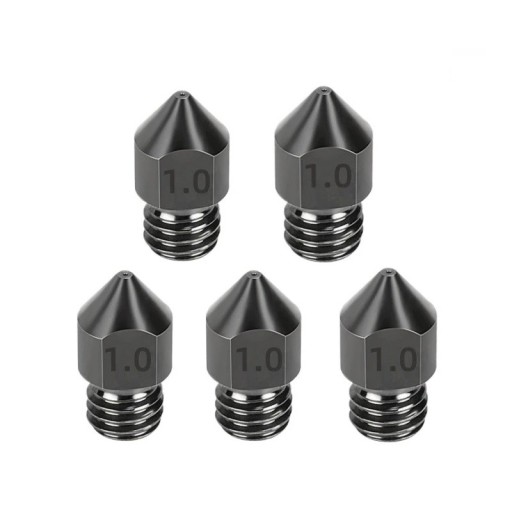
The nozzle is the fastest-wearing part of a printer, and its condition shows on every print. Here you will find brass, hardened and ruby-tipped nozzles from 0.2 to 0.8 mm, silicone socks for the hotend, plus cleaning needles, cleaning filament and brushes. Choose according to your printer's thread, the material you print and the diameter you want.
Nozzles and cleaning for 3D printing
An opening a few tenths of a millimetre across decides how fast you print and how fine the detail comes out. A worn or clogged nozzle announces itself through oozing, incomplete layers, or the fact that suddenly nothing comes out at all — and swapping it takes a couple of minutes.
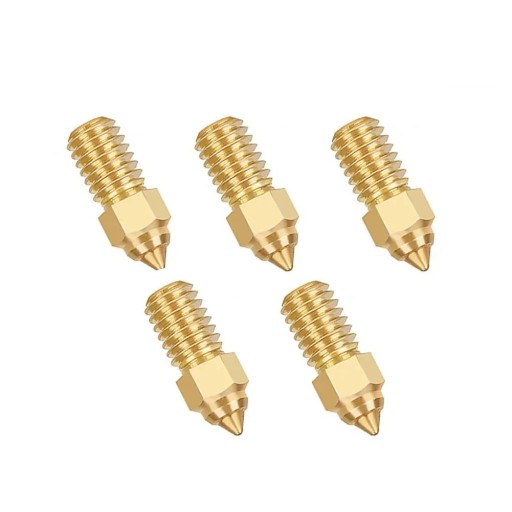
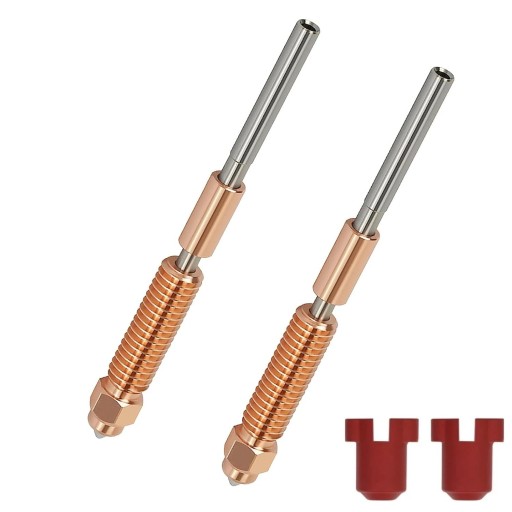
Nozzle material by filament: brass conducts heat best and is ideal for PLA, PETG and ABS, except that abrasive materials with carbon or glass fibre wear it out within a single spool. Those call for hardened steel or nozzles with a ruby or carbide tip, which last, albeit with slightly poorer heat transfer. On diameter the rule is simple: 0.2 and 0.3 mm for fine detail and slow printing, 0.4 mm as the all-rounder, 0.6 and 0.8 mm for fast, strong parts where detail does not matter.
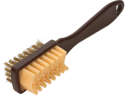
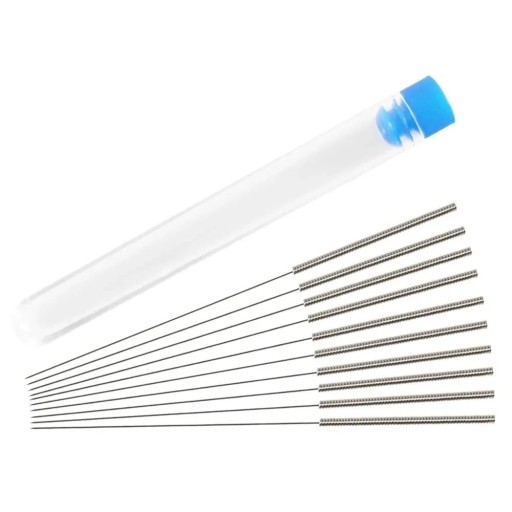
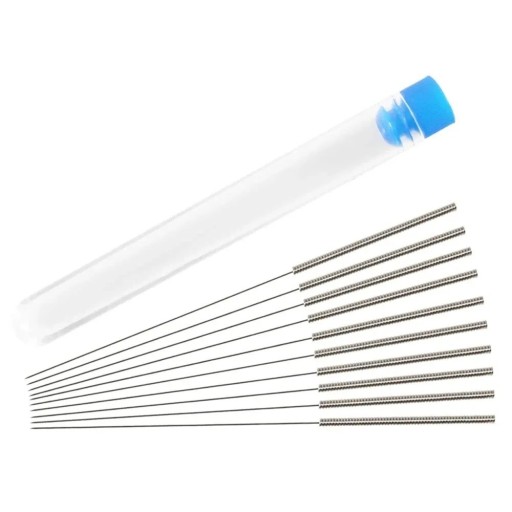
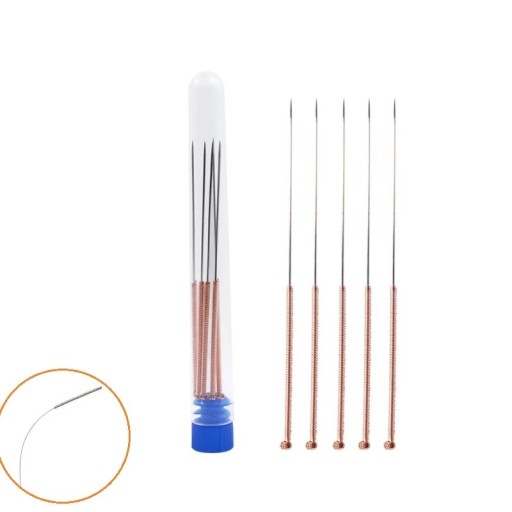
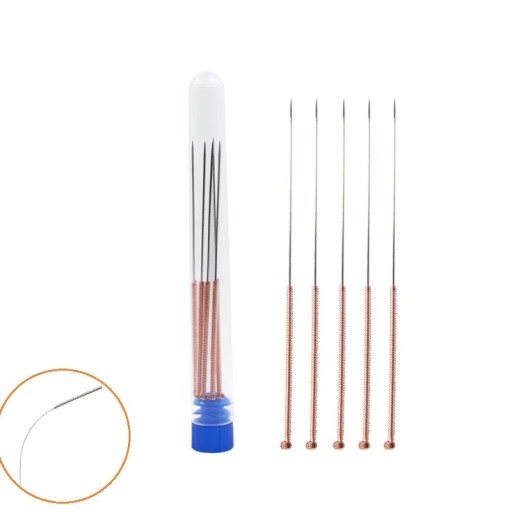
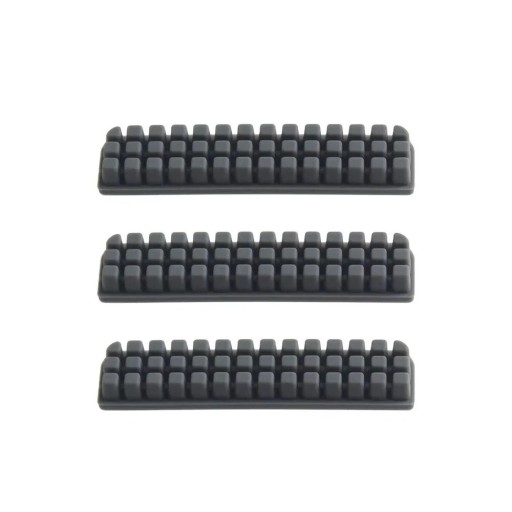
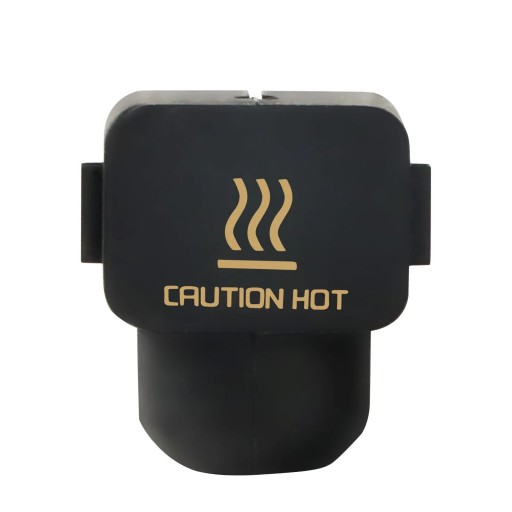
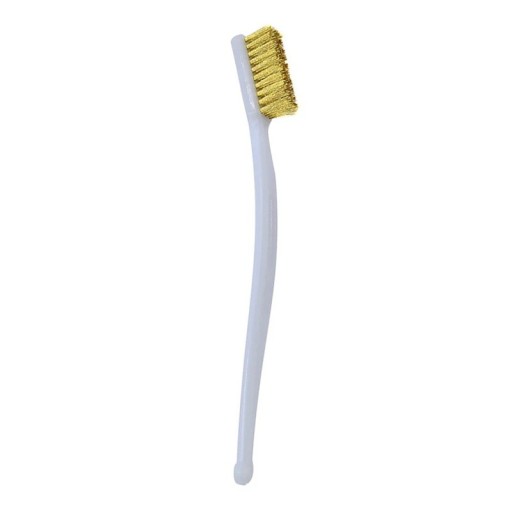
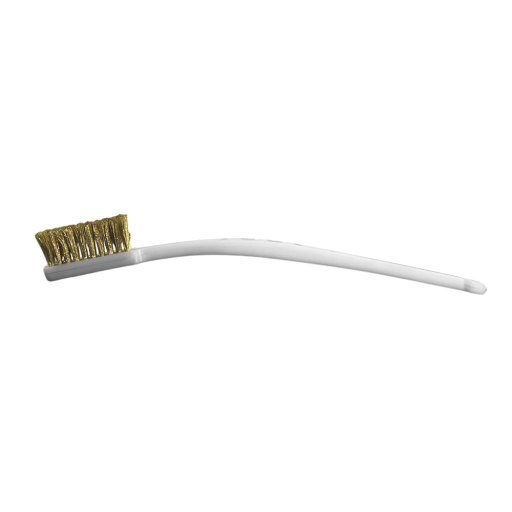
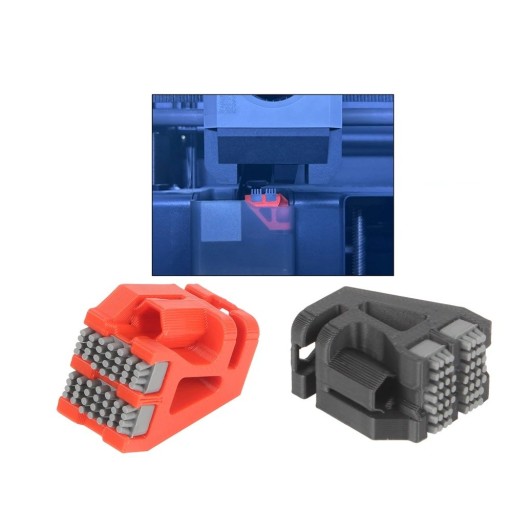
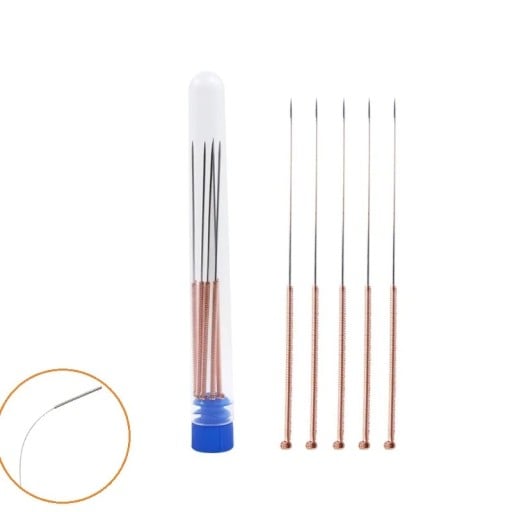
Cleaning and clearance come down to cleaning needles matched to the nozzle diameter, cleaning filament that pushes out the remains of the previous material, and brass brushes for plastic baked onto the outside. Silicone socks keep the temperature around the hotend steady and stop plastic from building up on it.
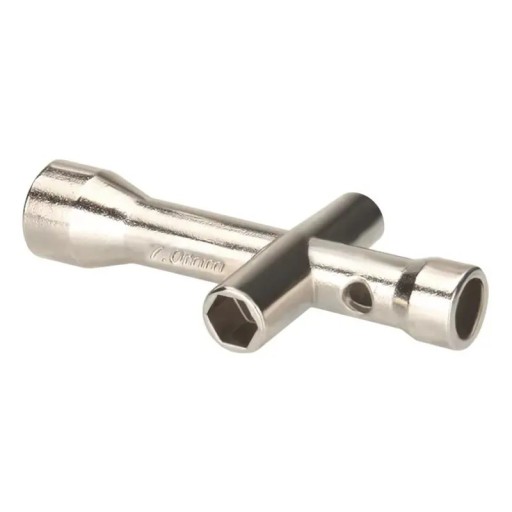
Before buying, check the thread type and nozzle length — MK8, E3D V6, Volcano and the Bambu Lab system are not interchangeable, and the size differs even within one brand. The nozzle is tightened hot; otherwise the joint does not seal and material escapes around the thread. Work carefully: long after it is switched off, the hotend still holds a temperature that burns, so use pliers and gloves and follow the manufacturer's instructions.