















































































































Build plates
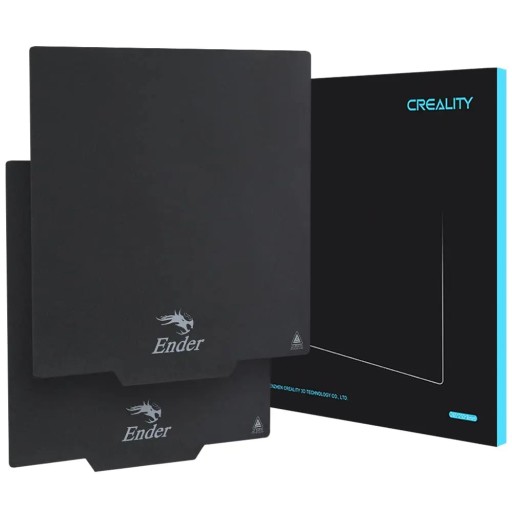
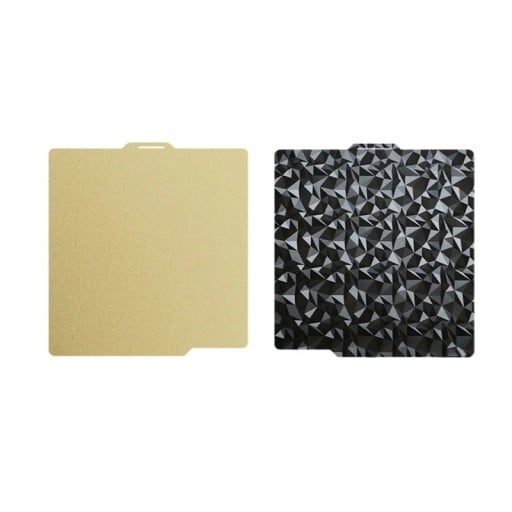
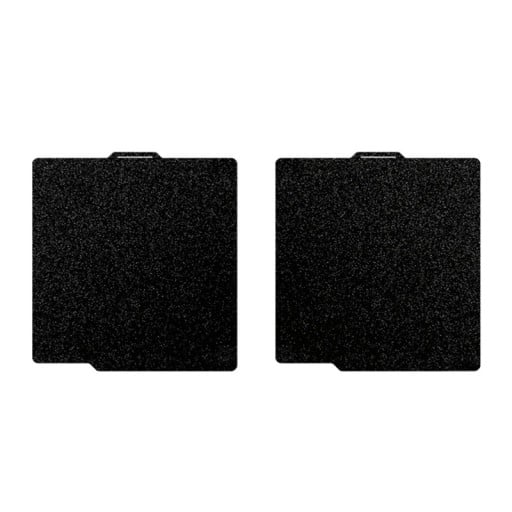
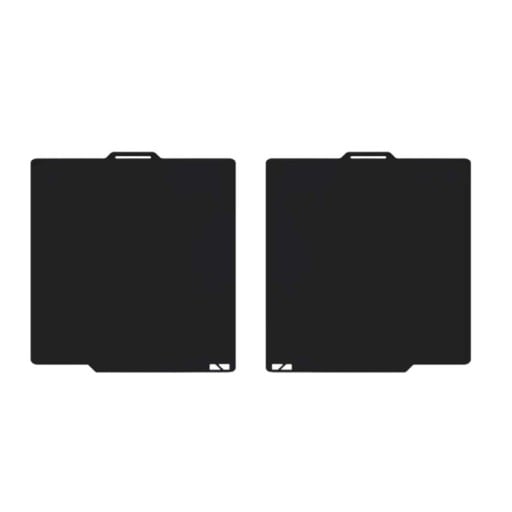
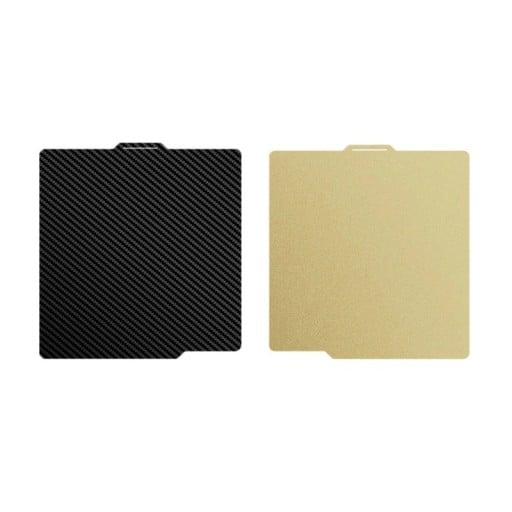
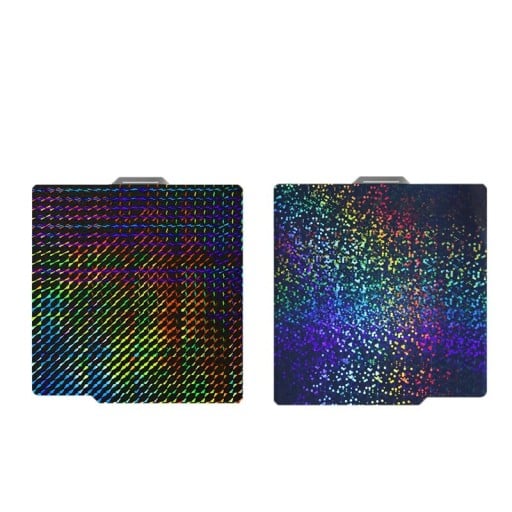
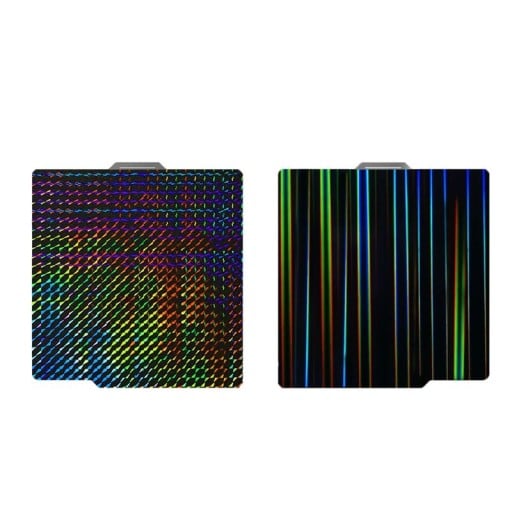
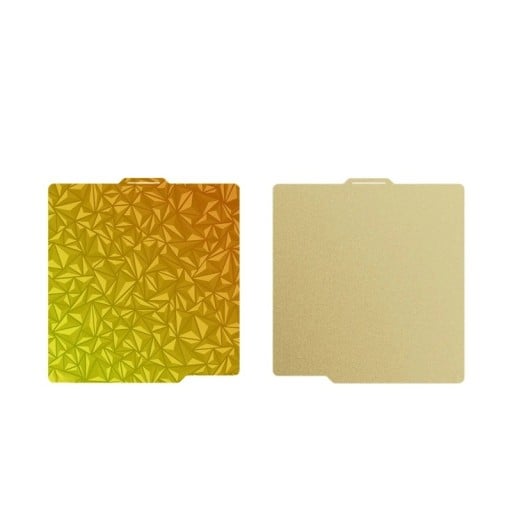
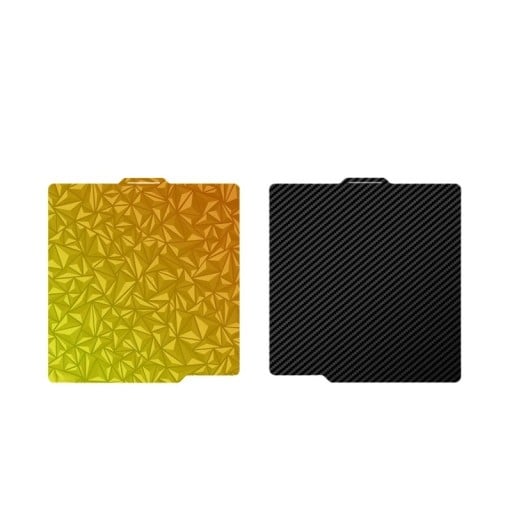
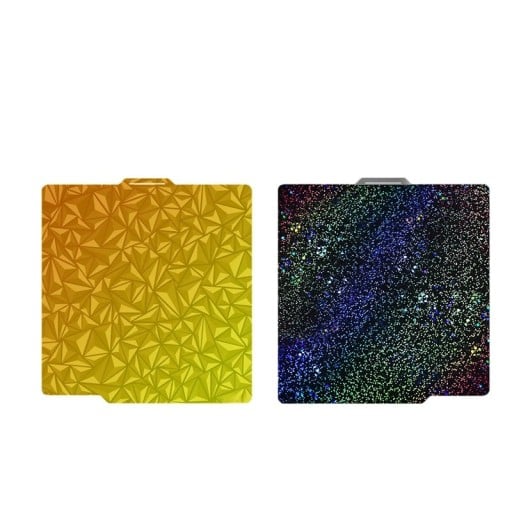
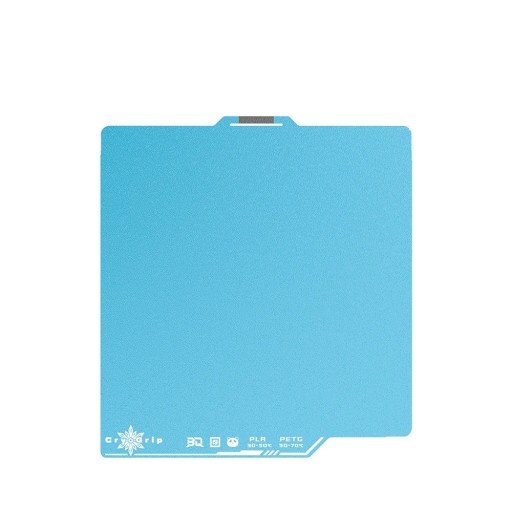
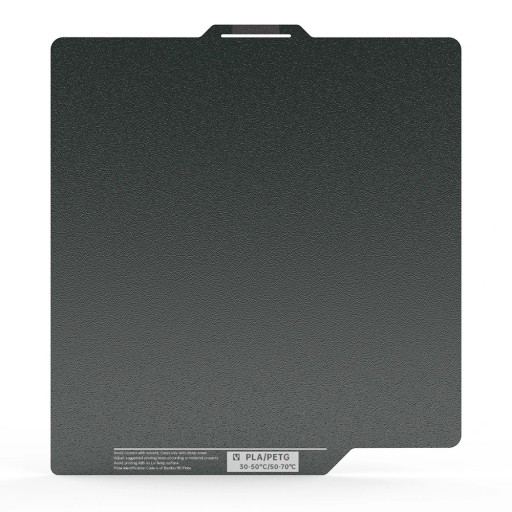
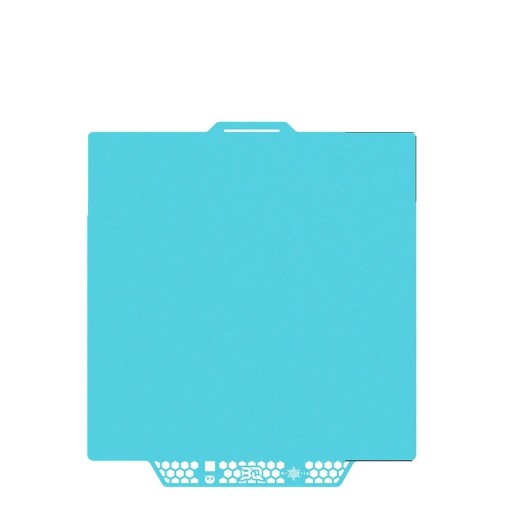
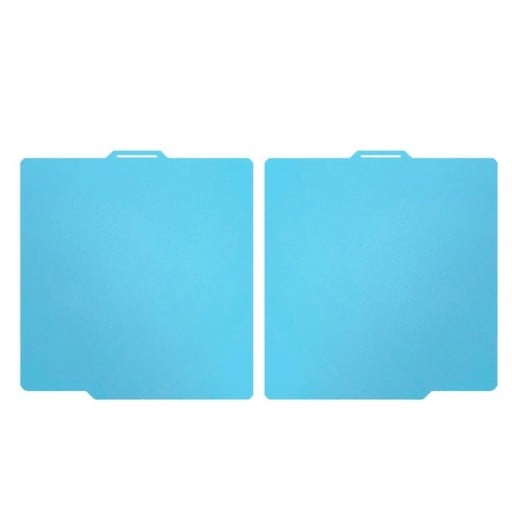
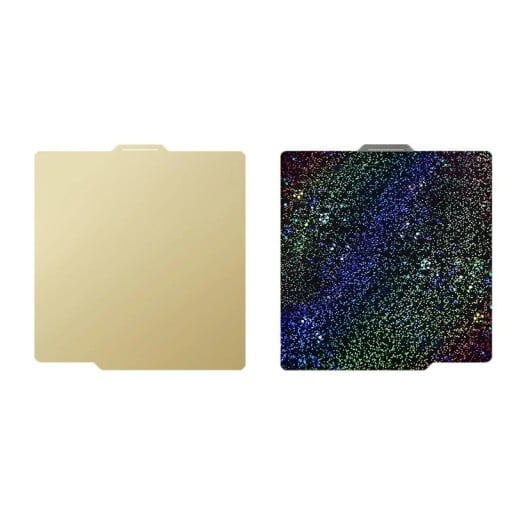
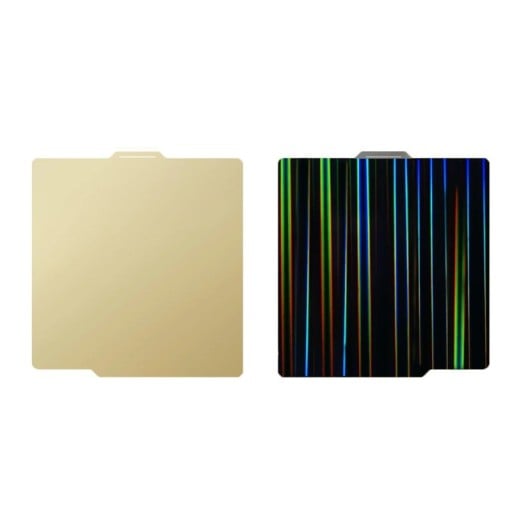
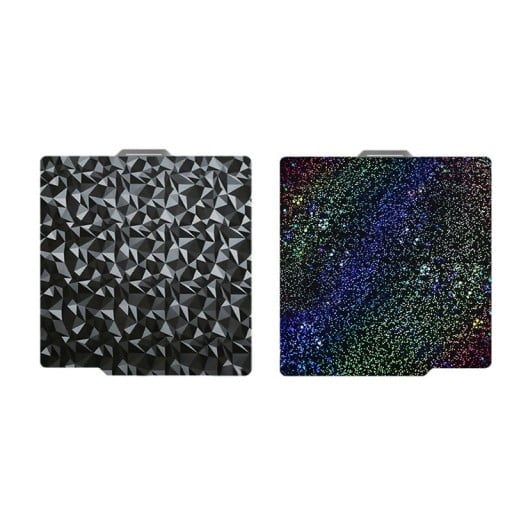
Interchangeable spring steel plates, 257 × 257 mm, for Bambu Lab X1, P1 and A1. Here you will find textured and smooth PEI, PEO, PET and PEY surfaces, the Starry, Lightbeam and Chameleon decorative patterns, and the Glacier cold plate. All are double-sided, so one plate gives you two different surfaces. Choose according to the material you print and the look you want on the bottom layer.


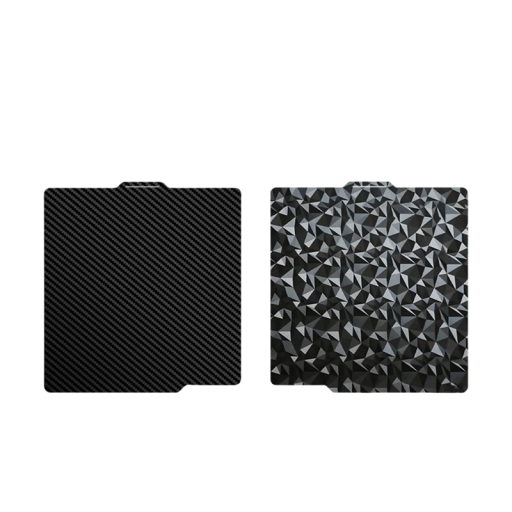
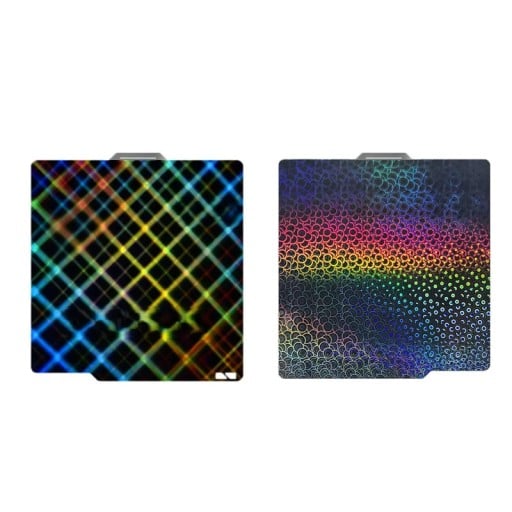
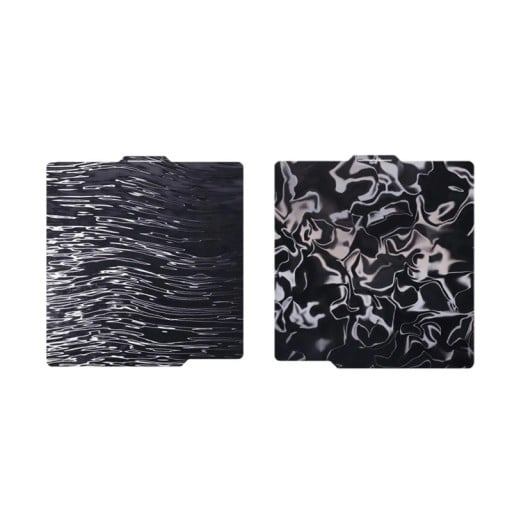
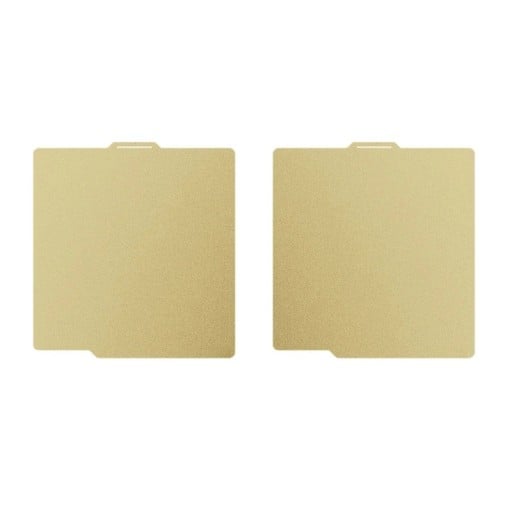
Build plates
Bambu Lab does not print straight onto the heated bed but onto an interchangeable spring steel plate held there by magnets. The plate decides how the first layer grips and how the underside of the model turns out — and it swaps in a few seconds. So rather than one plate, it pays to keep two or three for different materials.
Surface by material: textured PEI is the all-rounder for PLA and PETG and leaves a matt pattern on the bottom. The smooth PEO and PET surfaces give a glossy, almost mirror-like underside and handle PLA and PETG as well; PET-PEO takes TPU on top of that. PEY plates and epoxy resin surfaces are tuned for PLA. The Glacier cold plate, made of micro-porous polymer, prints without heating and is meant for the A1, P1P, P1S, X1C, X1E and P2S.
Double-sided construction is the standard here: every plate carries two different surfaces, so flipping it takes you from matt to glossy without buying another one. The decorative versions — Starry, Lightbeam, Kaleidoscope, Flake-Stars or the colour-shifting Chameleon — press their pattern into the bottom layer of the print, so the model already looks different straight off the printer.
The 257 × 257 mm size fits the X1, P1 and A1 ranges; the magnetic base belongs to the printer, you buy the plate alone. Clean the surface with isopropyl alcohol — grease from your fingers is the most common reason a first layer will not stick, and on PEI the mark shows straight away. Do not use metal scrapers or aggressive solvents, and follow the manufacturer's instructions.