


























































































Filament guides
PTFE tubing in eight sizes, pneumatic couplers, feeder mechanisms for the Creality K1 and filament splicing tools. Filament guides keep the material on its way from the spool to the nozzle. Choose to match your filament diameter and your printer.
Filament guides
The path the filament takes from the spool to the nozzle follows a clear order: the extruder grips the filament and pushes it on, the coupler hands it over to the tubing, the tubing leads it to the hotend, and the nozzle melts it. A weak link anywhere in that chain shows up on the print — as uneven extrusion width, gaps in vertical walls or a slipping drive gear.
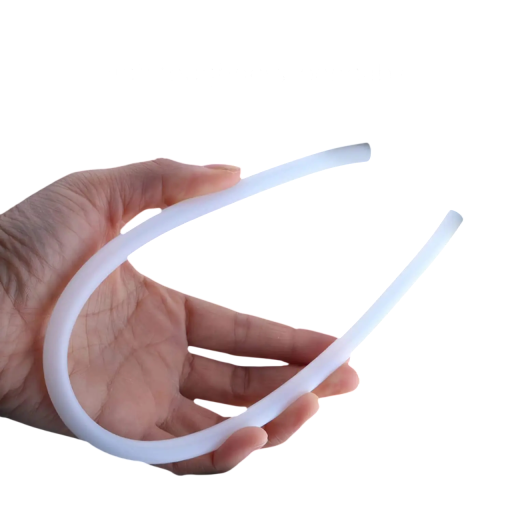
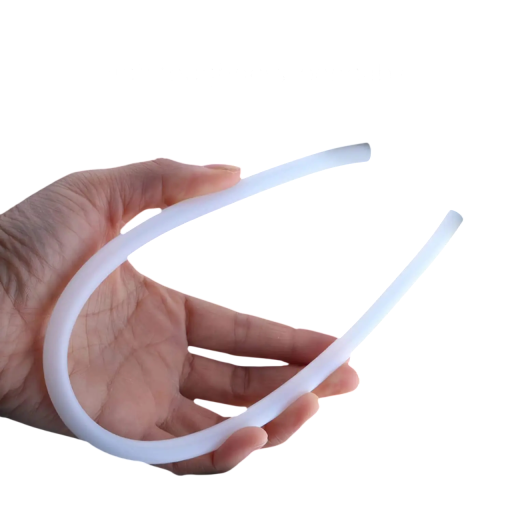
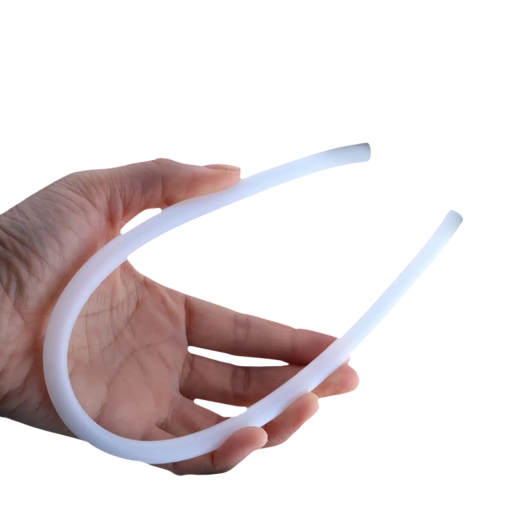
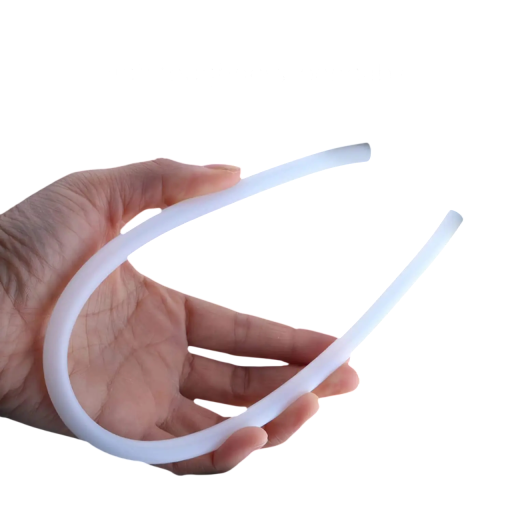
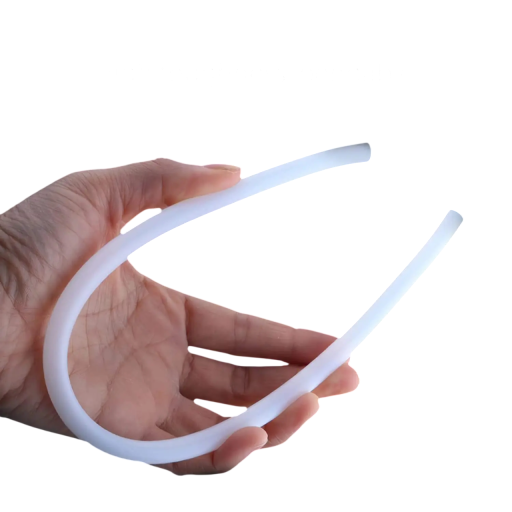
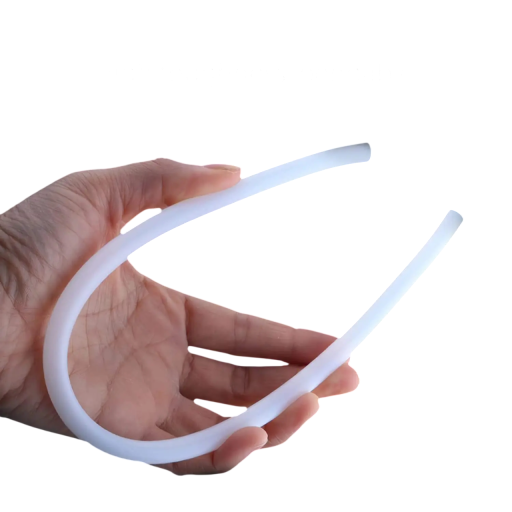
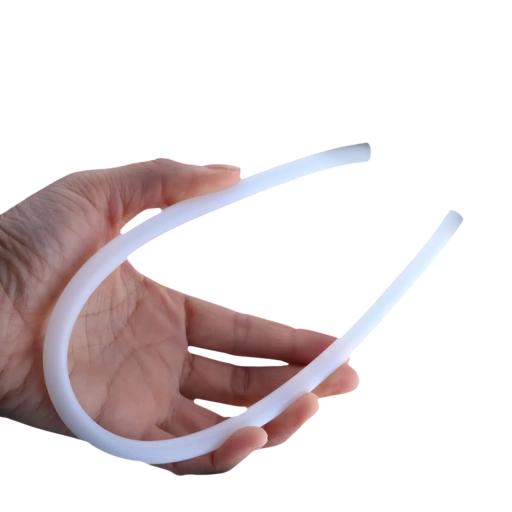
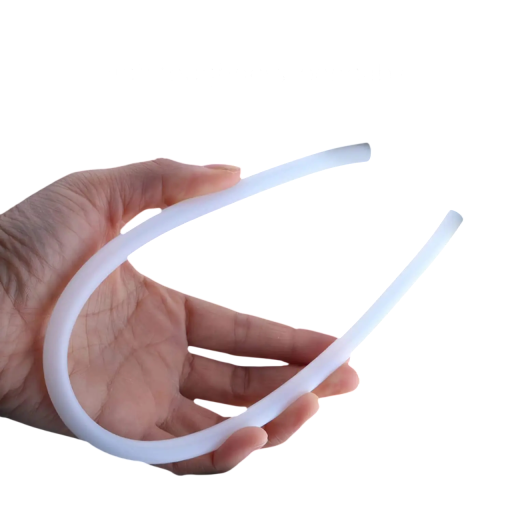
PTFE tubing is sold by the metre and is defined by two dimensions: the inner diameter, which has to match the filament, and the outer diameter, which has to fit the coupler. For the widespread 1.75 mm filament, ID 2 / OD 4 mm tubing is the usual choice. The narrower ID 1 / OD 2 mm guides the filament with minimal play, while sizes from ID 3 up to ID 6 suit runs that need a thicker wall or a feed from an external spool holder or dryer. The material copes with the temperatures around the hotend heatsink, but it must not be taken above the figure quoted by the manufacturer.
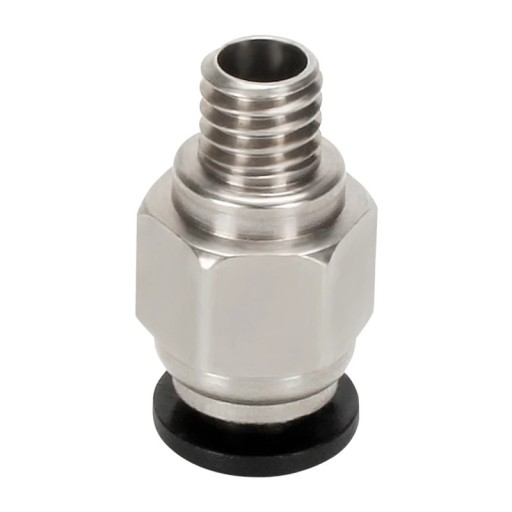
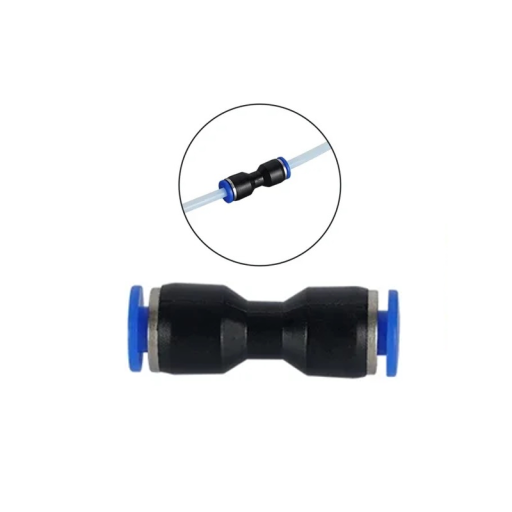
In the print head the tubing is held by pneumatic couplers. The metal PC4-M6 coupler has an M6 thread and a bore for 4 mm outer diameter tubing — the most common combination on the market; for the Bambu Lab P1, the X1 with AMS and for the K1 there is a coupler matching their mount. A worn coupler is a common reason for tubing creeping out during retraction, leaving a gap between its end and the nozzle where molten material collects. Couplers are therefore consumables, and when you are tracking down unreliable feeding they are the first thing to check.
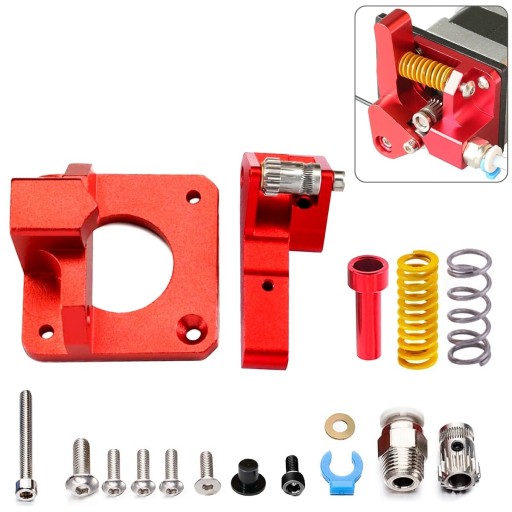
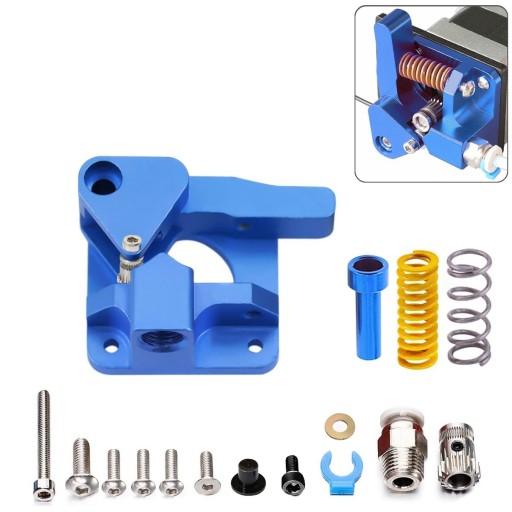
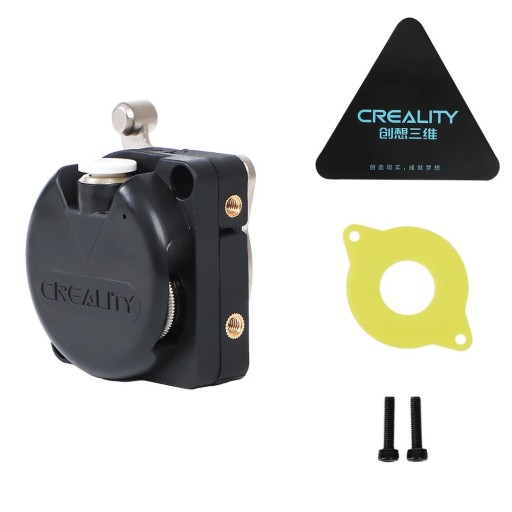
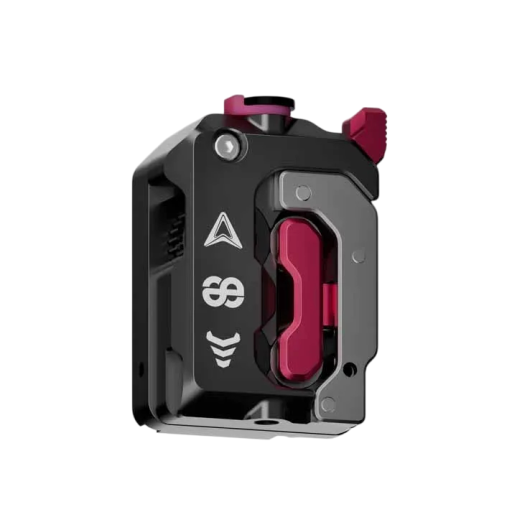
Feeder mechanisms for the Creality K1, K1 Max and K1C come in two versions — as a dual drive gear mechanism without a motor, where you move the motor over from the original extruder, and as a complete upgraded extrusion mechanism. Dual drive gears bite into the filament from both sides and cope better with materials that slip or buckle easily.
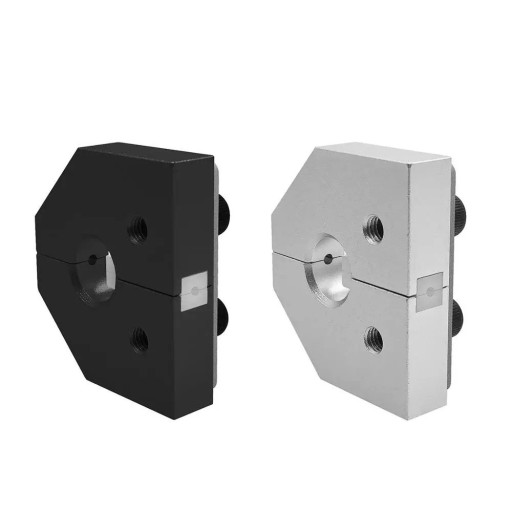
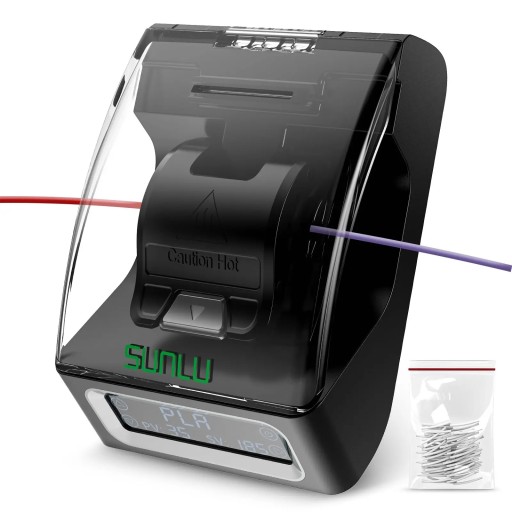
Filament splicing tools let you join the end of one spool to the start of the next. The splicing tool for 1.75 mm filament comes with a set of 200 PTFE inserts in which the ends are fused with heat; the simpler connector holds the ends together mechanically. Always run the joint through your fingers — anything standing proud of the filament diameter will jam in the tubing or in the extruder. When choosing, look at the filament diameter, at both tubing dimensions, and with parts for a specific printer always at its exact designation.