































SUP paddleboards
This category holds the boards themselves without accessories, inflatable and hard alike. The first choice lies exactly between the two: an inflatable packs into a rucksack and bounces off a rock, a hard board is stiffer and faster but wants space and takes damage more easily. The nose then tells you what the board was built for: a round one means an all-round board, a pointed one a touring or race board. The rest is settled under the water and on the deck, that is, at the fins, the D-rings and the deck pad.
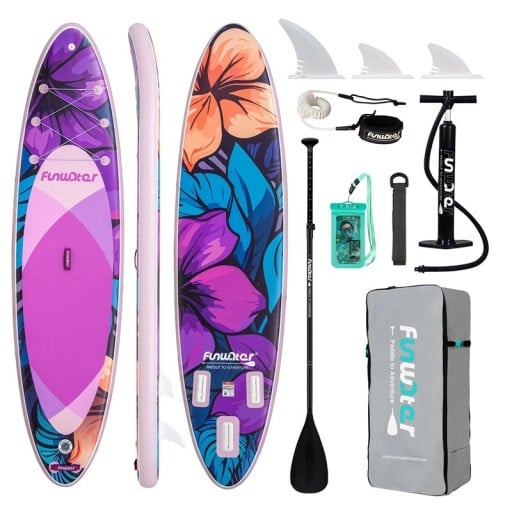
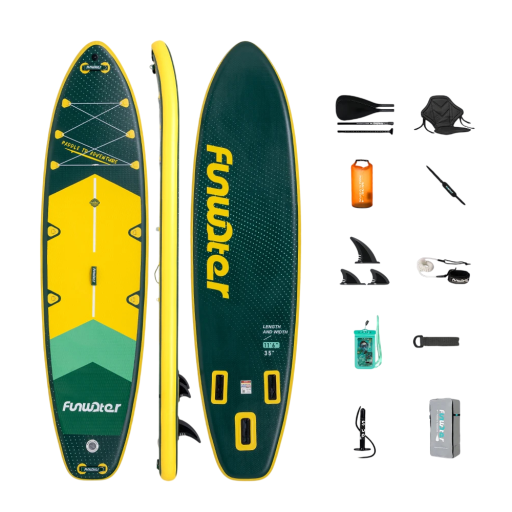
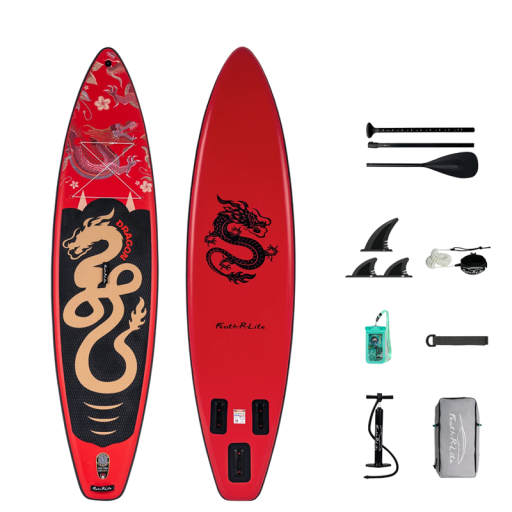
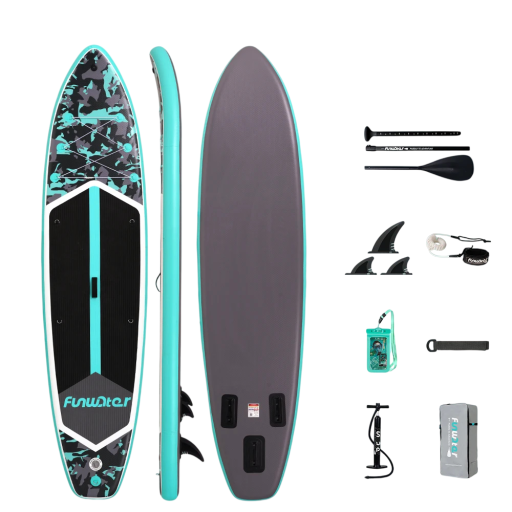
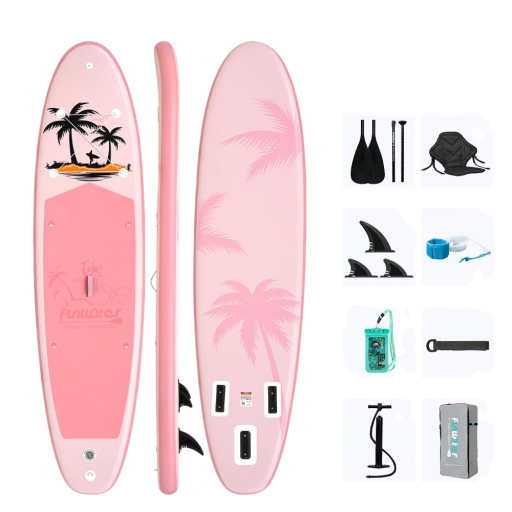
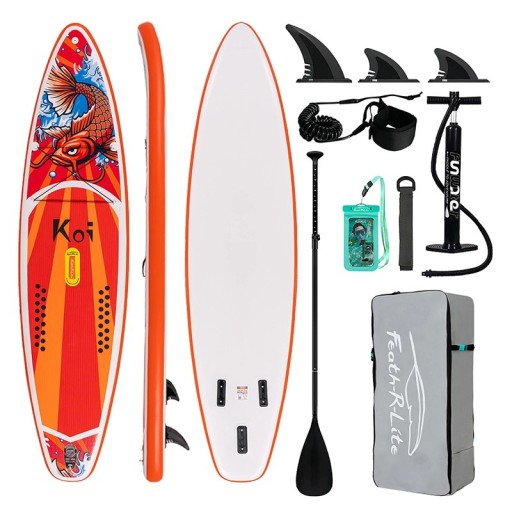
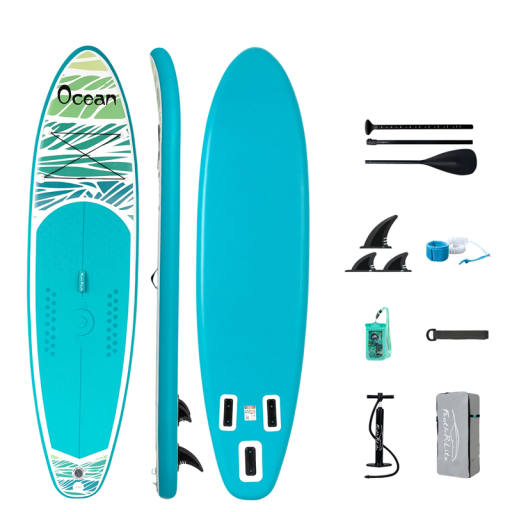
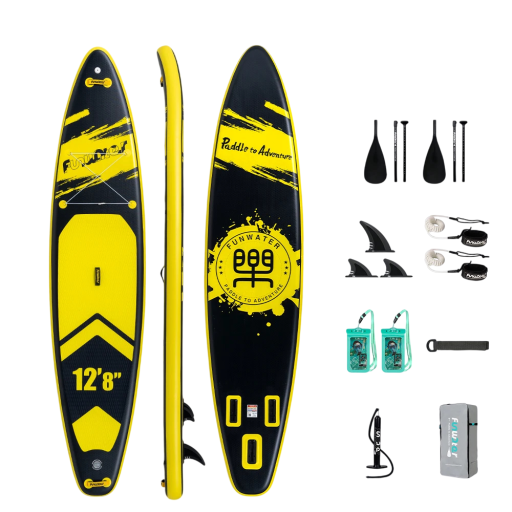
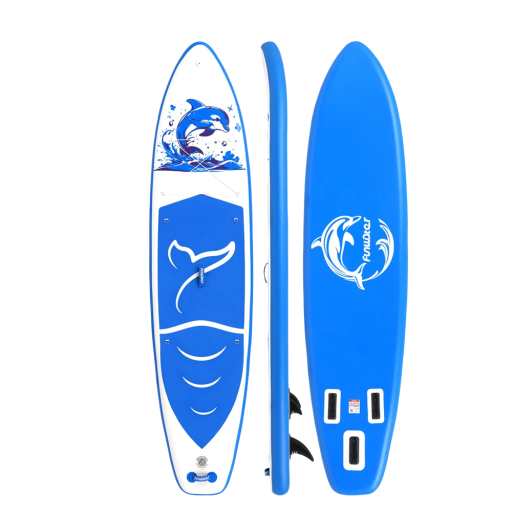
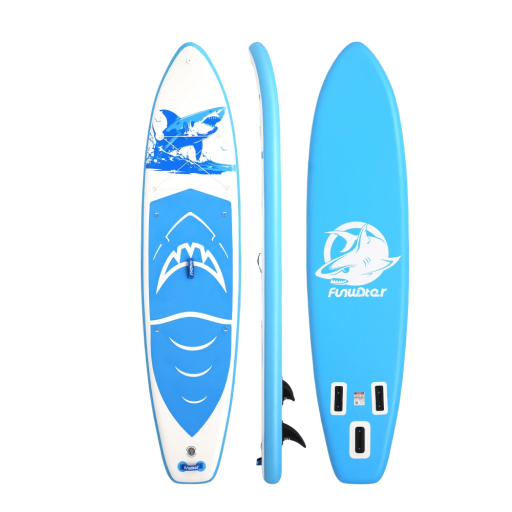
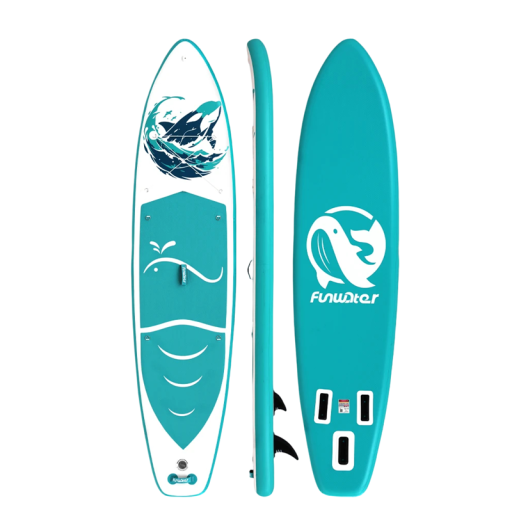
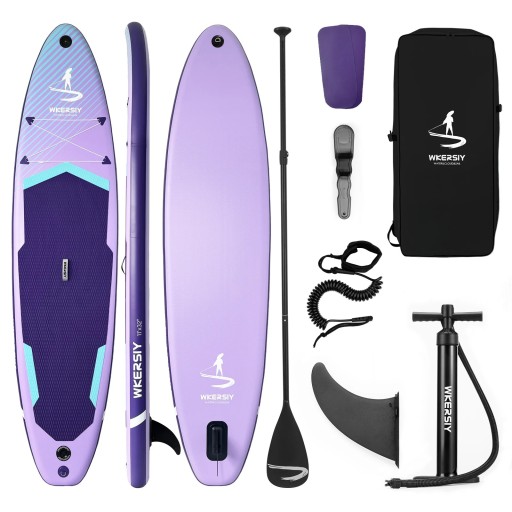
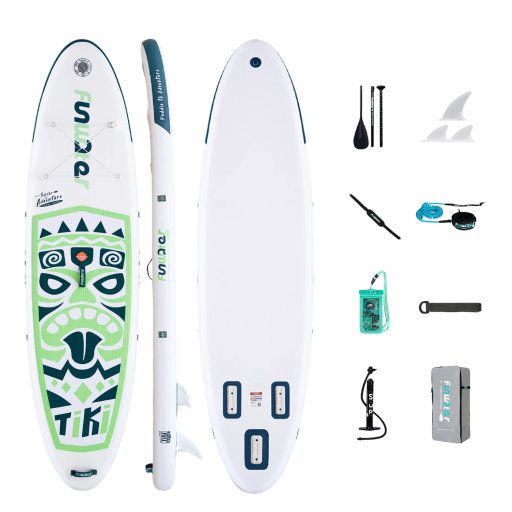
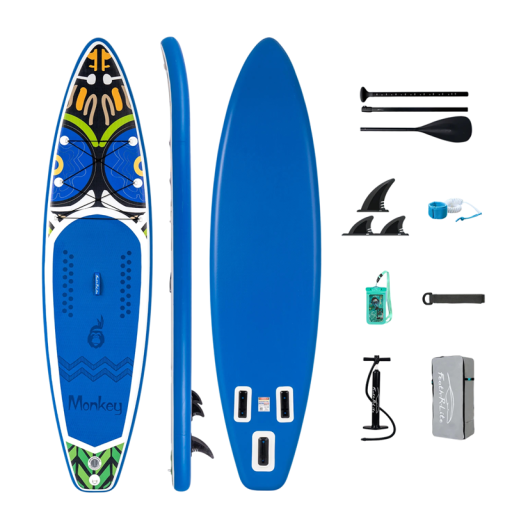
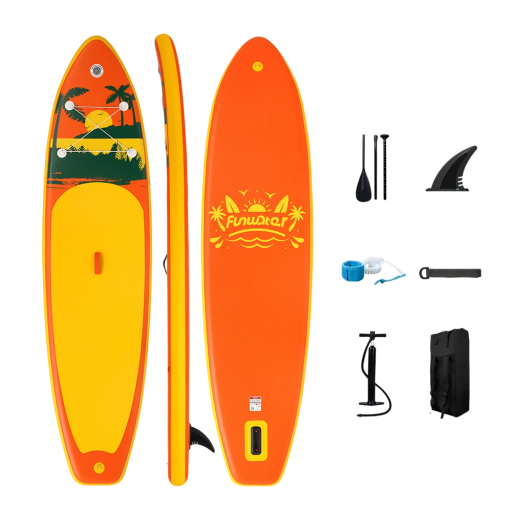
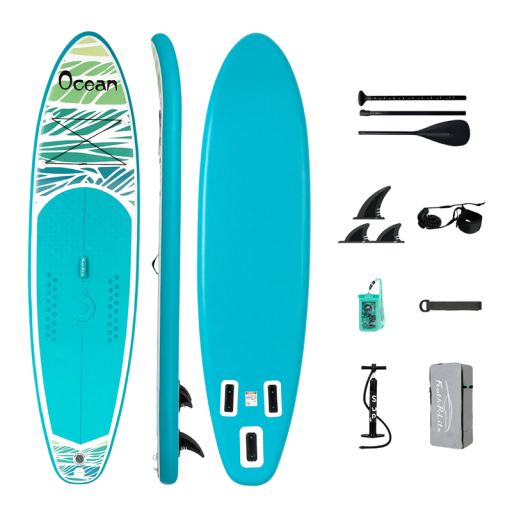
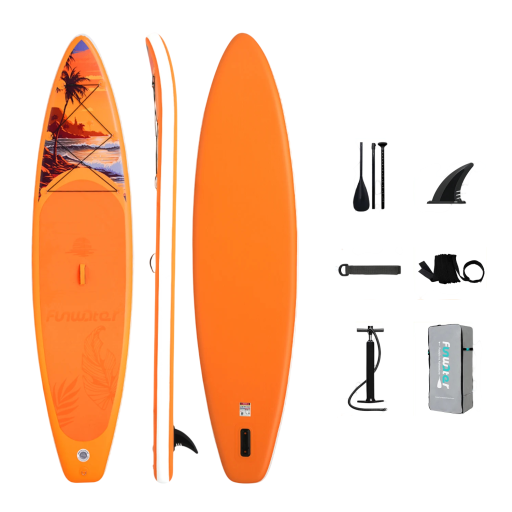
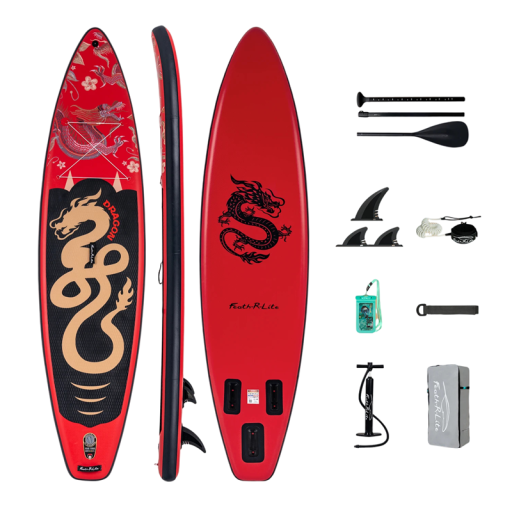
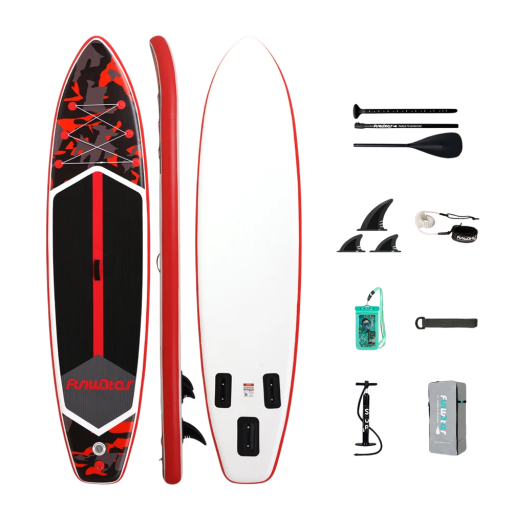
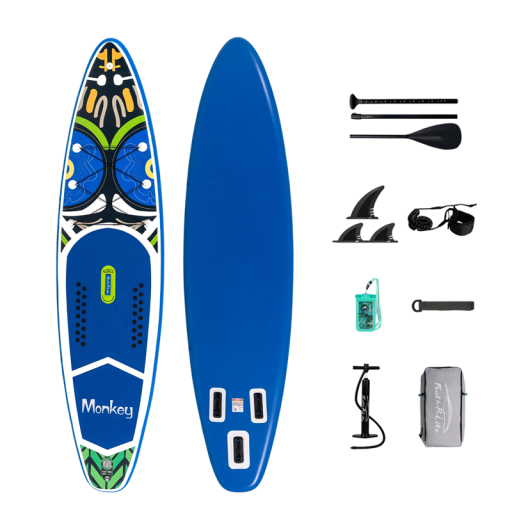
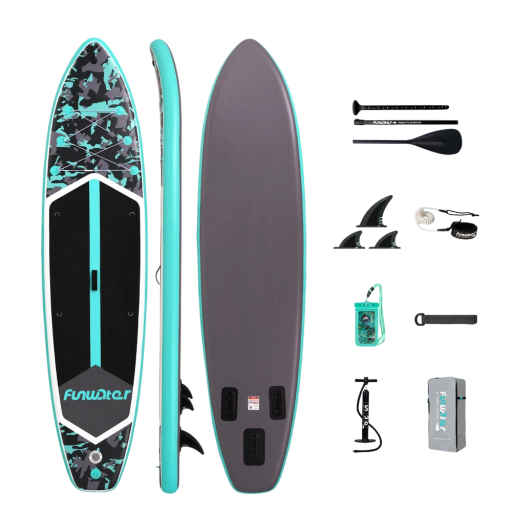
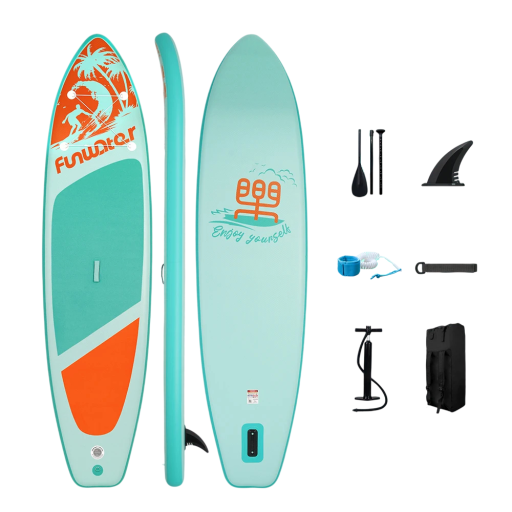
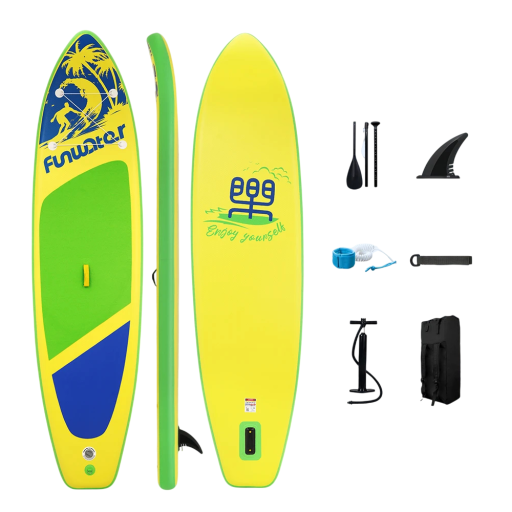
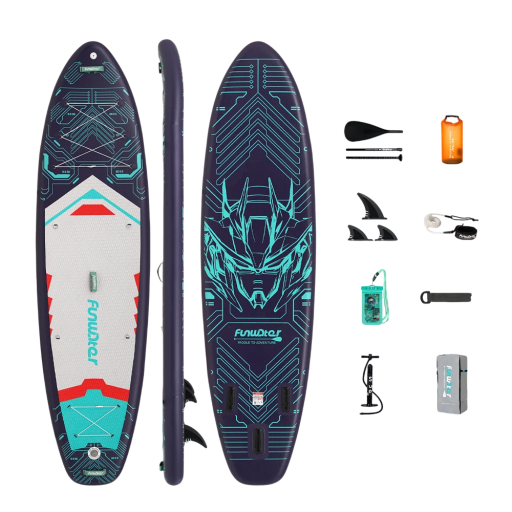
SUP paddleboards
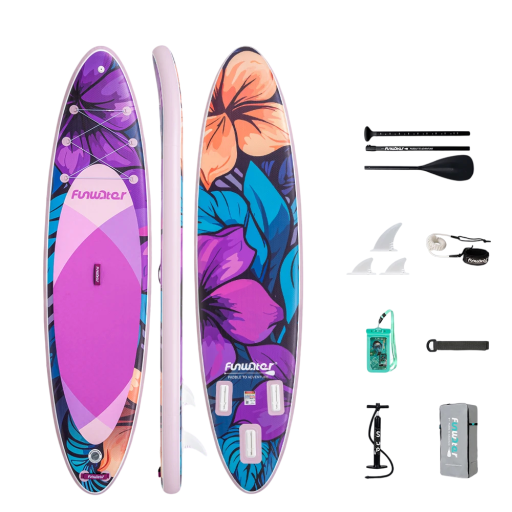
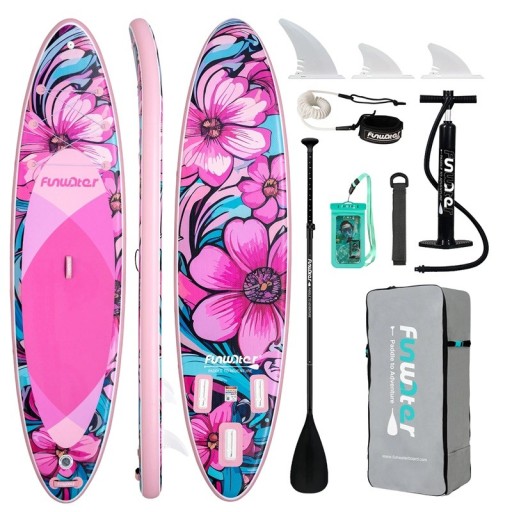
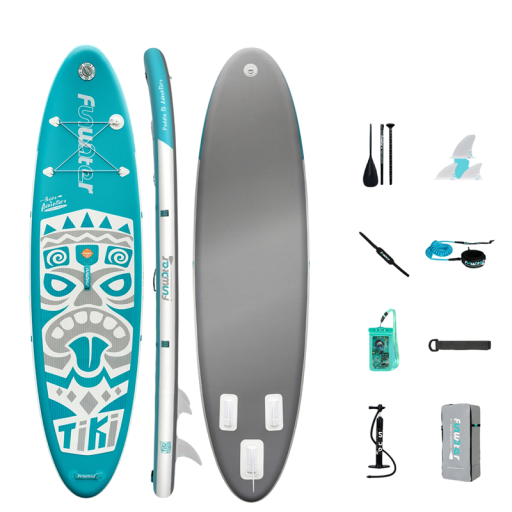
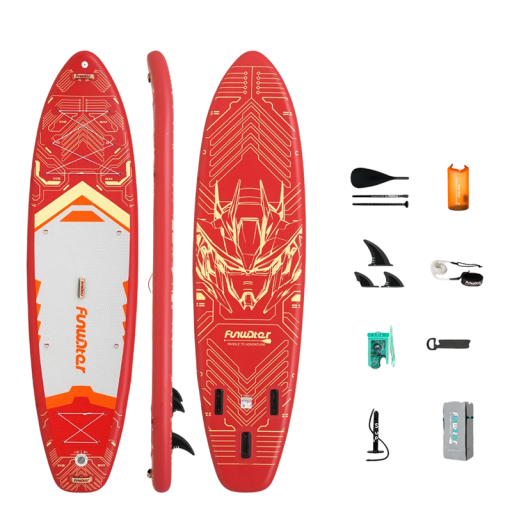
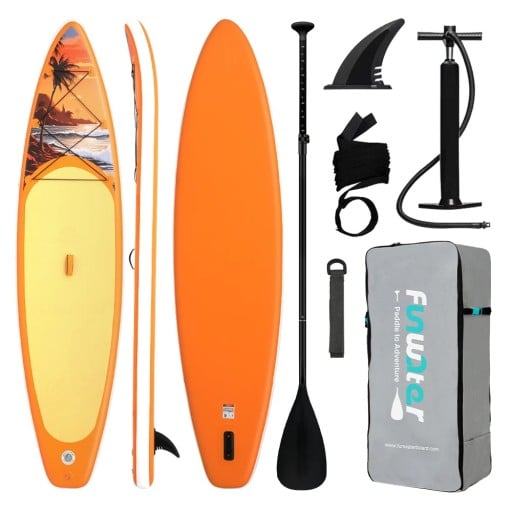
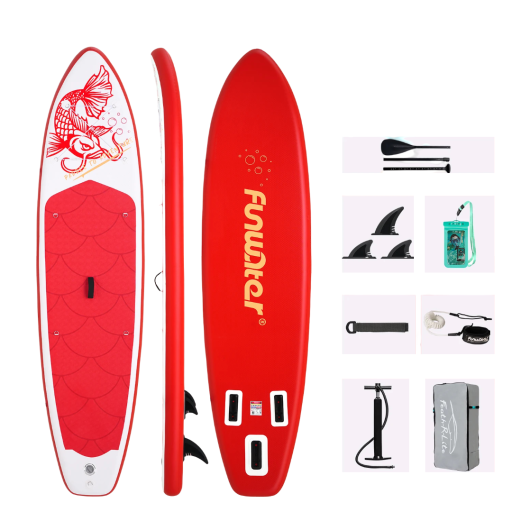
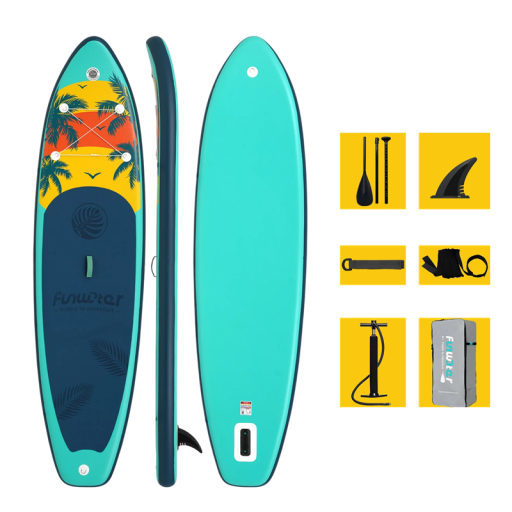
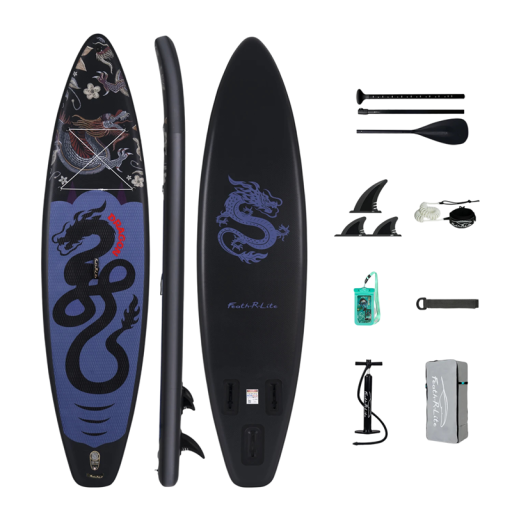
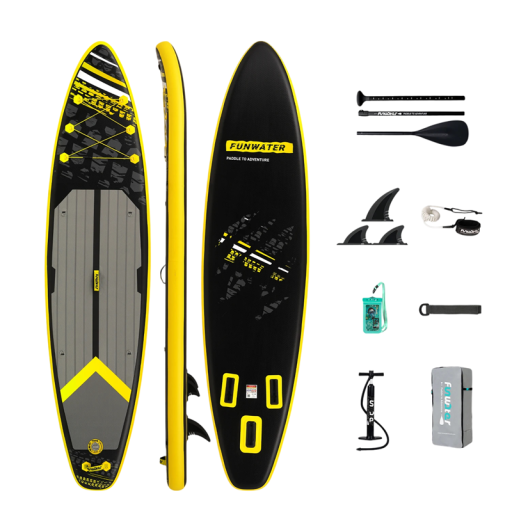
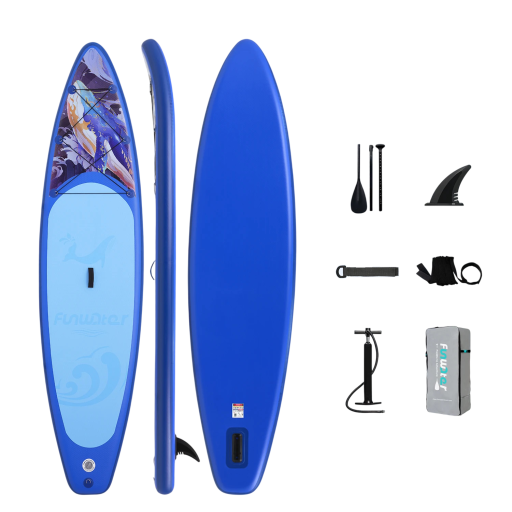
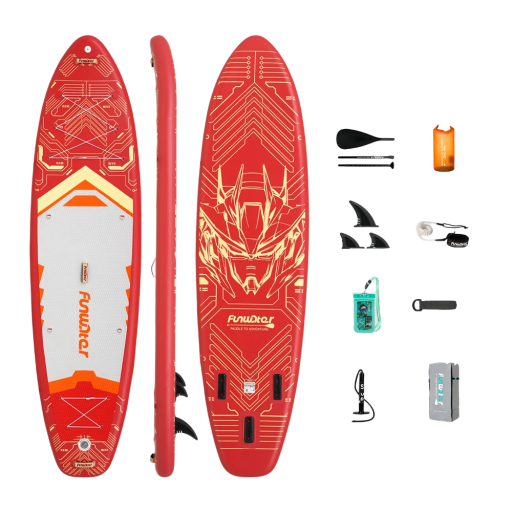
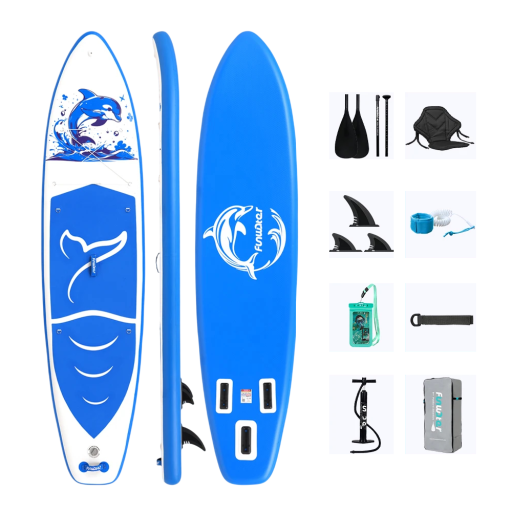
The boards in this category run from all-round to race and from the shortest to fourteen feet. Here you will find inflatable and hard ones, single-rider boards and those that take an adult with a child or a dog. They differ in shape, in length, in width, in the number of fins and in how much you can strap to the deck. Paddles, pumps and leashes sit in the parent category; here it is about the board itself.
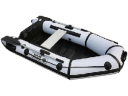
The first decision is inflatable or hard, and price is not what mainly settles it. An inflatable packs into a rucksack, travels in the boot, survives a knock against a rock and winters on the balcony. A hard board in epoxy or laminate is stiffer, so at the same stroke force it runs faster and puts more of your energy into the water, but it needs roof bars and a dry place. The difference shows after a mishap too: a hard board has its shell punched through, while an inflatable usually only scuffs.
The shape of the nose gives away what the board was built for before you read the description. A round or rounded one means an all-round board for calm water and light chop, wider and more forgiving. The pointed one belongs to touring, usually between eleven and a half and fourteen feet, because a longer and narrower board holds its line, so you make fewer corrective strokes. A race board goes further still and pays for the best glide with the lowest initial stability, which a beginner will not stay upright on.
Under the water the fin setup decides, and there are usually three variants. A single large centre fin offers the least drag and runs fastest, but holds the line less well unless it is deep enough. The two-plus-one setup adds two small side fins that help both stability and tracking, and it is the most versatile. Shallows and rivers call for a flexible fin that bends on impact instead of snapping, and with tool-free click fins bear in mind that a hard knock from behind can release them.
On the deck the deck pad and the placement of the D-rings decide. The rings at the front hold the bungee for a rucksack and a jacket, the ones in the middle let you strap on a kayak seat, and the ring on the nose is there to tow a second board. The pad is most useful when it is long, because only then do you get to the back and pivot the board on the spot, whereas a short patch underfoot will not let you reach the tail.