

















































Saw blades
A saw blade is a consumable where the shank, the length, the tooth pitch and the material all have to match. Jigsaws take a T-shank, reciprocating saws a universal half-inch shank marked with the letter S. Length is chosen two to three centimetres beyond the thickness of the material, and teeth per inch according to whether the cut should come out fast or clean. HCS carbon steel is for wood, BIM bi-metal to metal and nail-embedded wood, and stone and brick call for carbide grit.
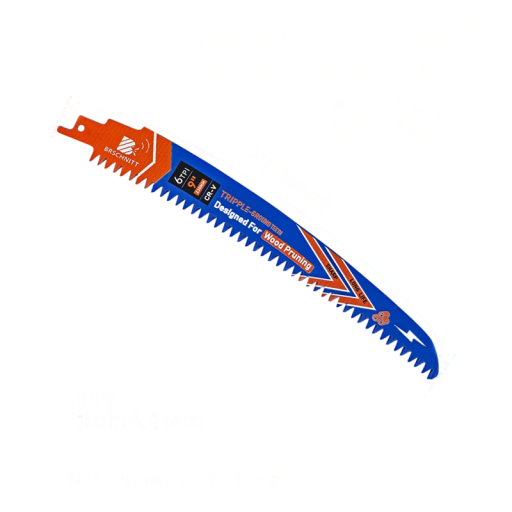
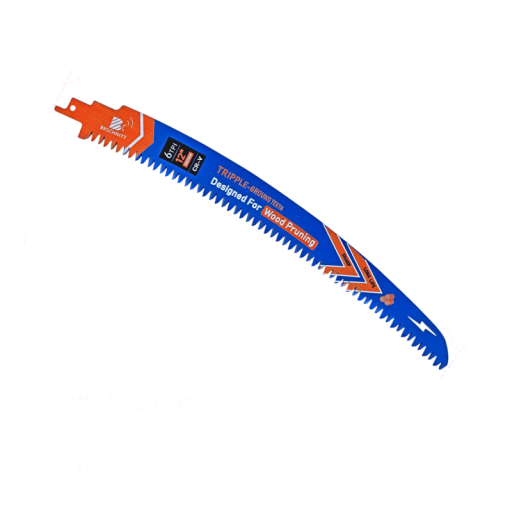
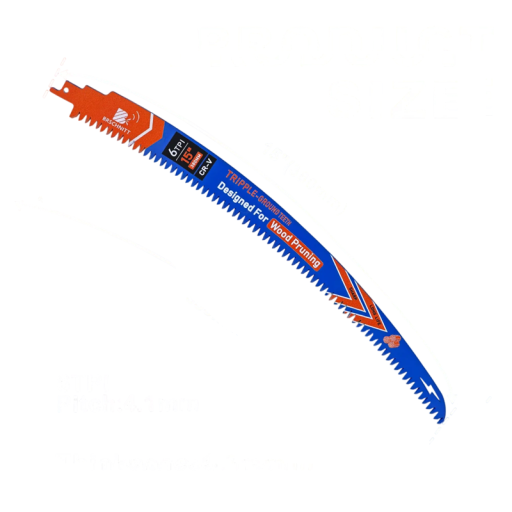
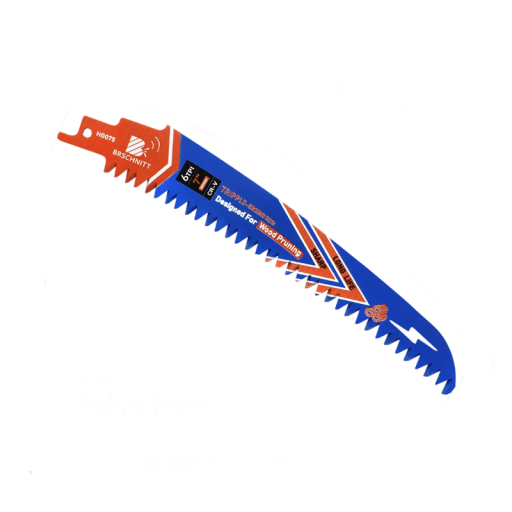
Saw blades
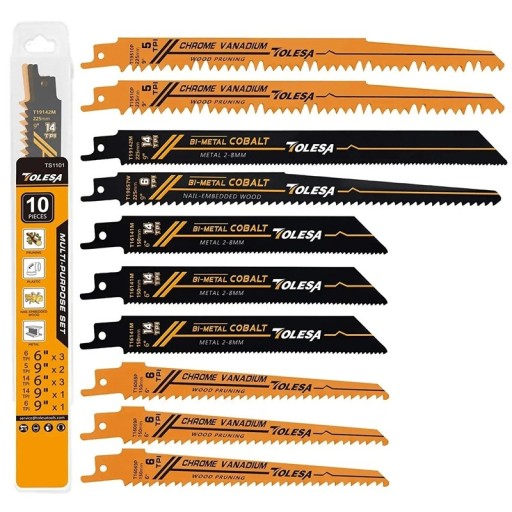
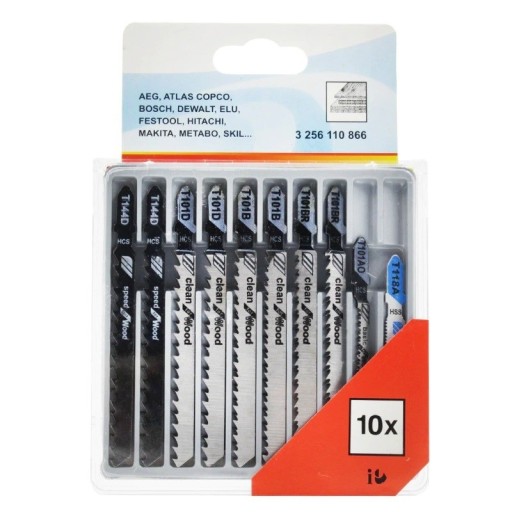
A saw blade is a consumable, and picking the right one counts for more in the result than the saw itself. Every machine takes a different fixing, a different length and a different tooth pitch, so a universal blade does not exist. Sets of several pieces cover ordinary wood and metal and suit anyone who does not cut the same thing all the time. Anyone repeating one job over and over comes out cheaper with a pack of identical blades than with a set.
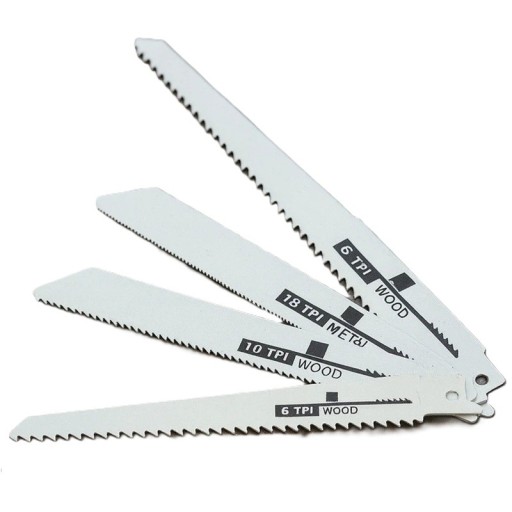
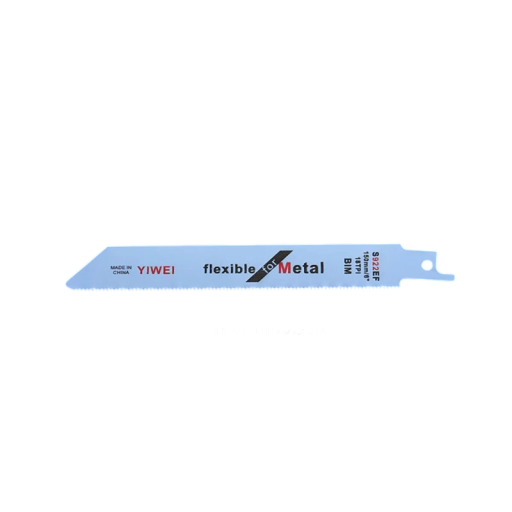
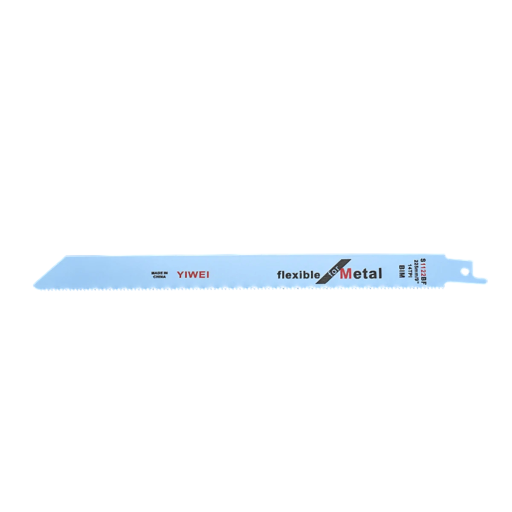
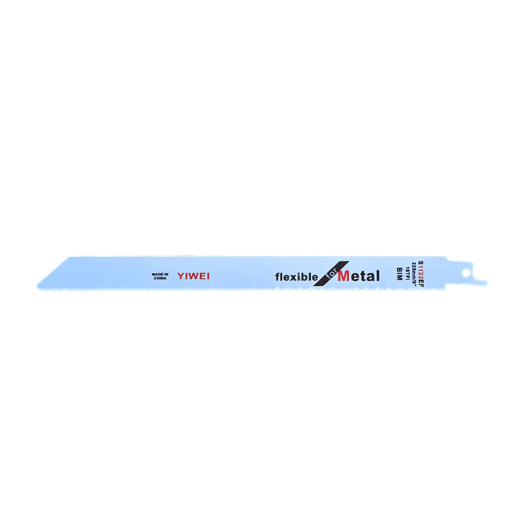
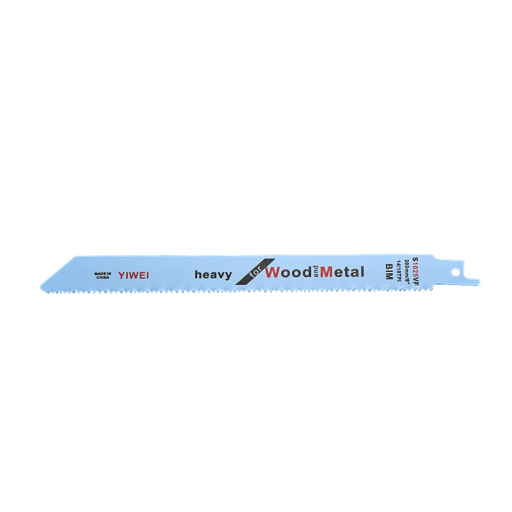
The first thing that has to match is the shank, that is, the shape of the end by which the blade sits in the machine. Jigsaws take a T-shank, and the blade goes in only one way round. Reciprocating saws have a universal half-inch shank marked with the letter S, so blades move freely between brands. A designation such as S1122BF begins with exactly that letter, and the rest of the code describes length, tooth pitch and material.
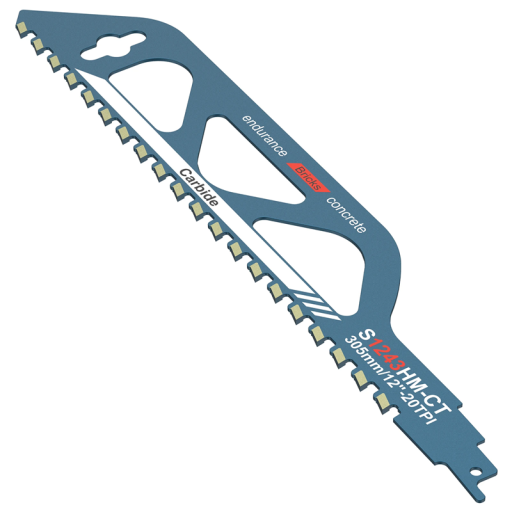
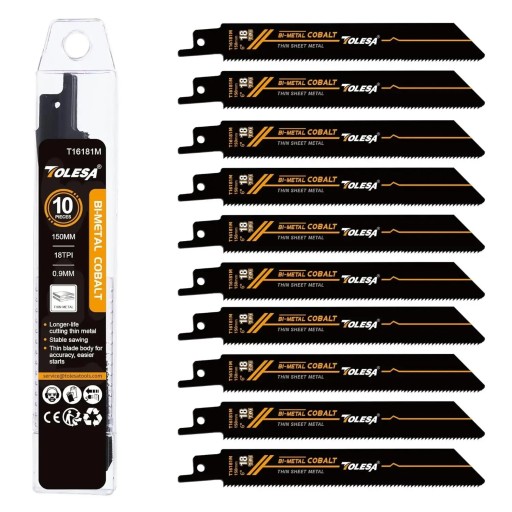
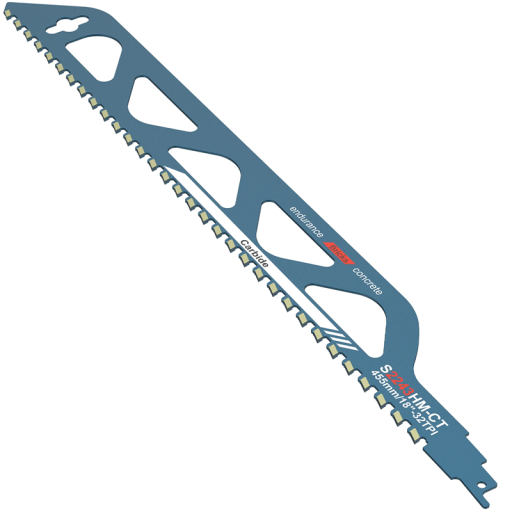
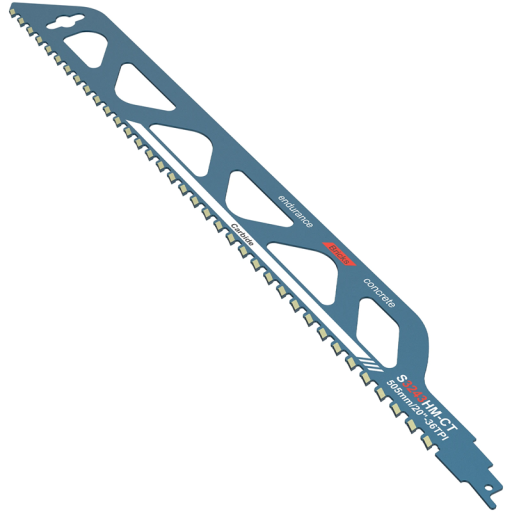
Blade length has to exceed the thickness of the material by at least two to three centimetres, or the tooth runs out of the cut. Blades around 150 mm are enough for pipe and thin sections, 225 mm is the usual all-round length. Demolition and thick trunks call for 300 mm and up, and extra-long blades of around 455 mm reach where the machine cannot. A longer blade does flex in the cut, though, so it is not taken longer than needed.
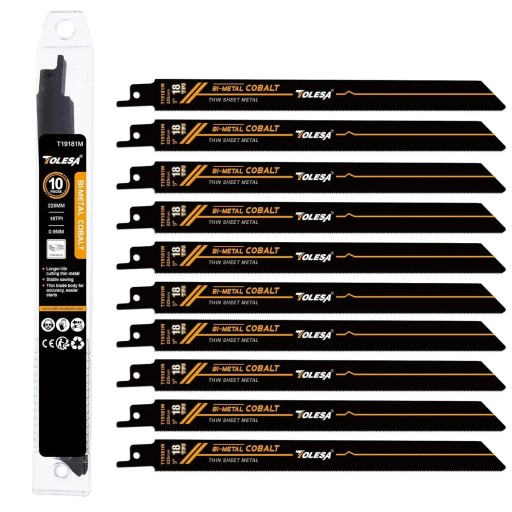
Whether the blade cuts or merely rubs is decided by teeth per inch. Six to ten teeth are for wood and fast rough progress, fourteen to eighteen to sections and soft metal. Above twenty-four teeth come thin sheet and stainless, and around thirty-two the cut turns as fine as it gets. In the material at least three teeth must always be engaged, or a tooth breaks off against the edge.
The last choice is the blade material, which sets what the blade will take. Carbon steel marked HCS is cheap and springy but only suits wood, while BIM bi-metal blades take both flexing and heat and deal with nail-embedded wood. For stone, brick and fibre cement no teeth are used at all, there the cutting is done by carbide grit bonded to the edge, which grinds the material away instead of slicing it.