





































































































Resins and UV lamps
Two-part epoxy resins for thick castings, fast UV resins for small work, and UV lamps to cure them. Choose resins and UV lamps as a pair — the lamp has to emit at the wavelength your resin needs.



Resins and UV lamps
Resin stays liquid right up to the moment it cures, and from that moment on there is nothing more you can do with it. Everything is therefore settled in the first minutes and hours: how accurately you mixed it, how thick a layer you poured, and what temperature the whole thing is standing at. The two kinds you will find here differ in exactly one respect — what cures them.
Two-part epoxy resins harden through a chemical reaction once components A and B are mixed. The ratio is not negotiable and comes from the manufacturer — sometimes by weight, sometimes by volume, and mixing those two up is the commonest reason a casting stays tacky. Once mixed you have a limited working time, after which the mass thickens; full cure takes hours to days. A thick layer heats itself while it does so, which is why deep castings are poured in layers.
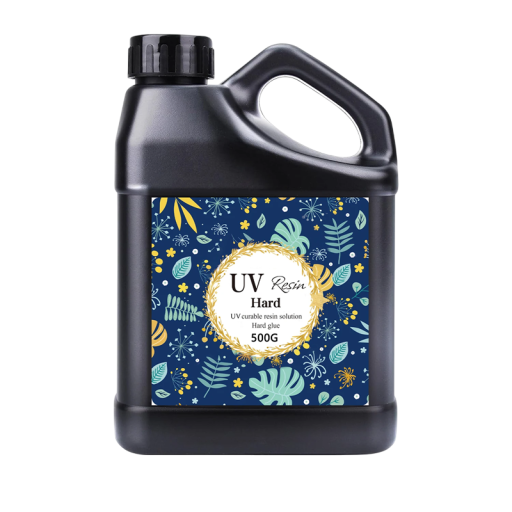
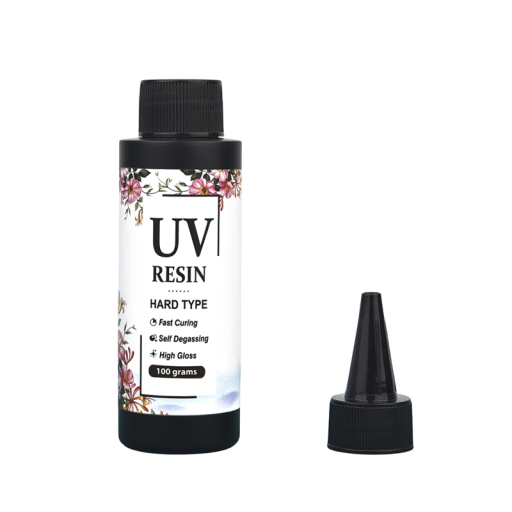
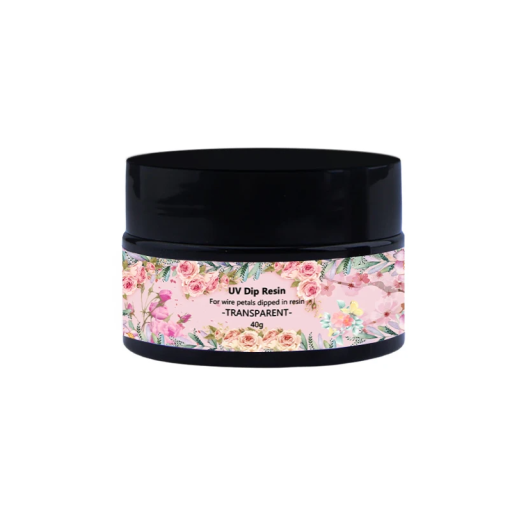
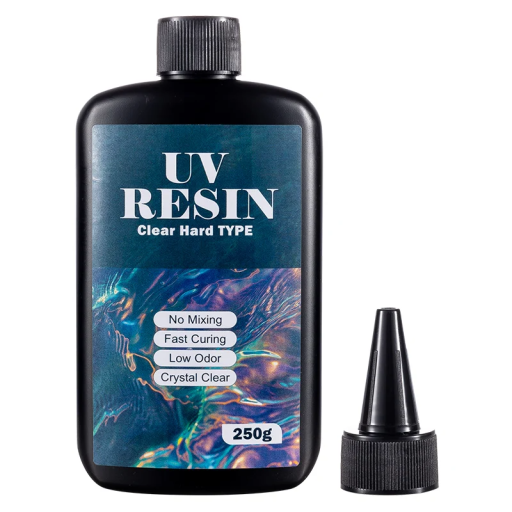
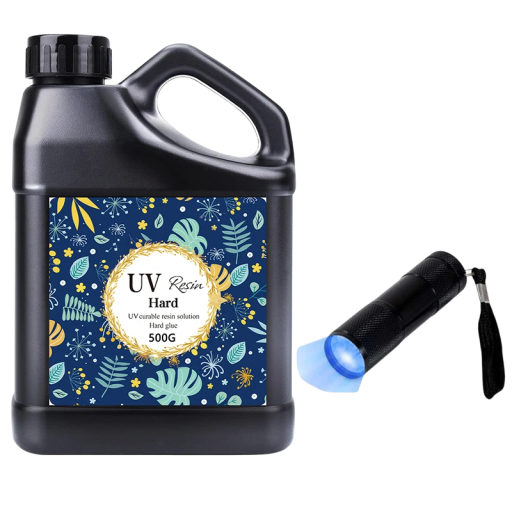
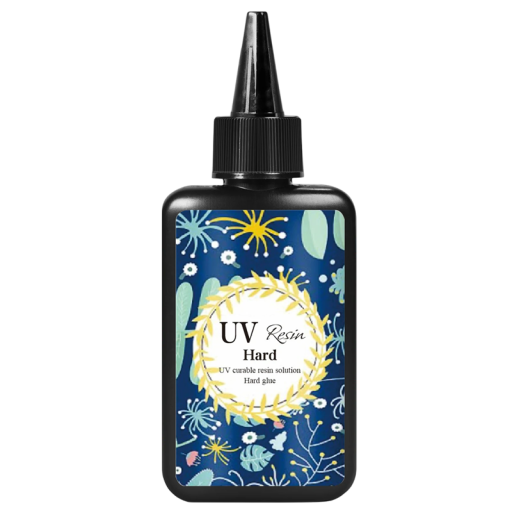
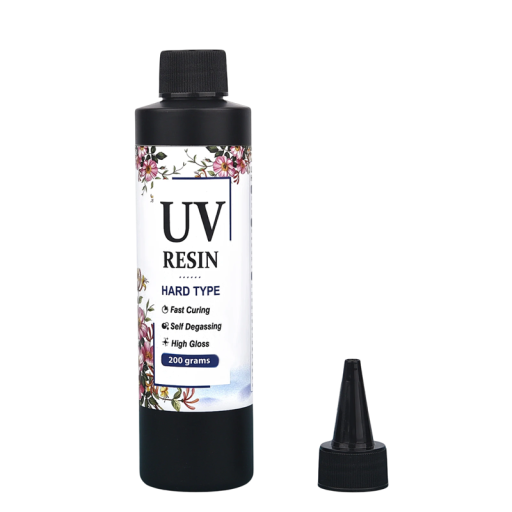
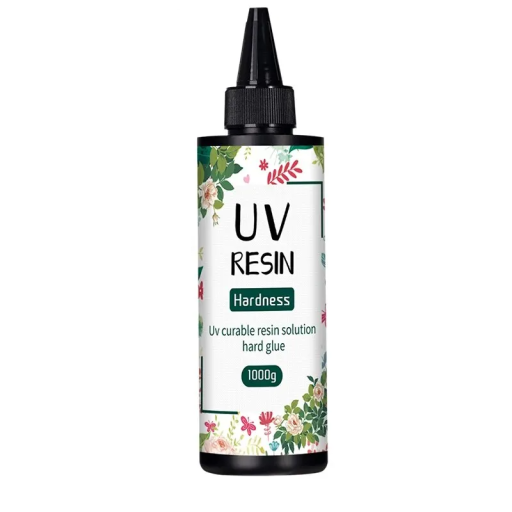
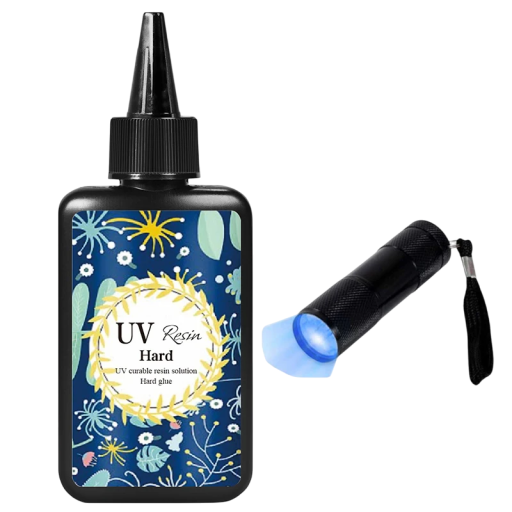
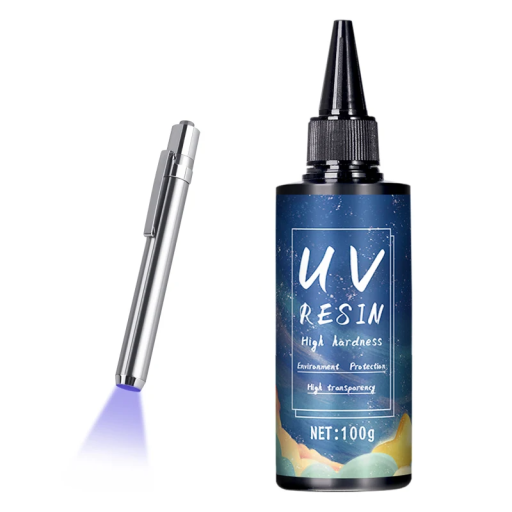
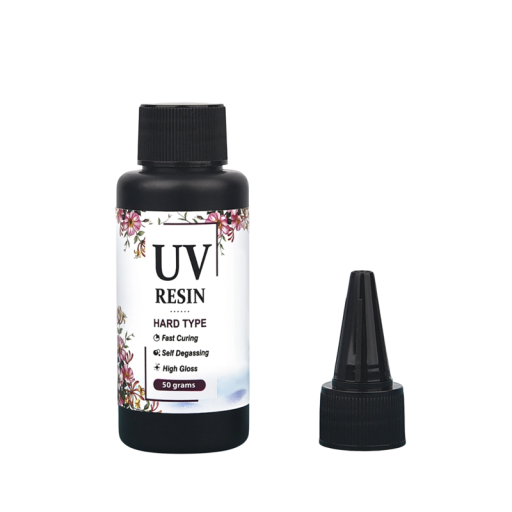
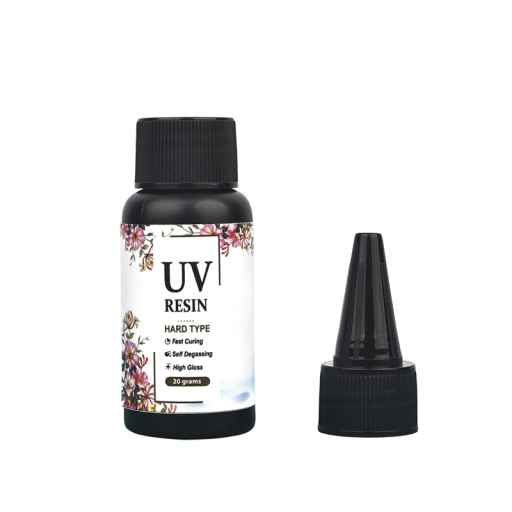
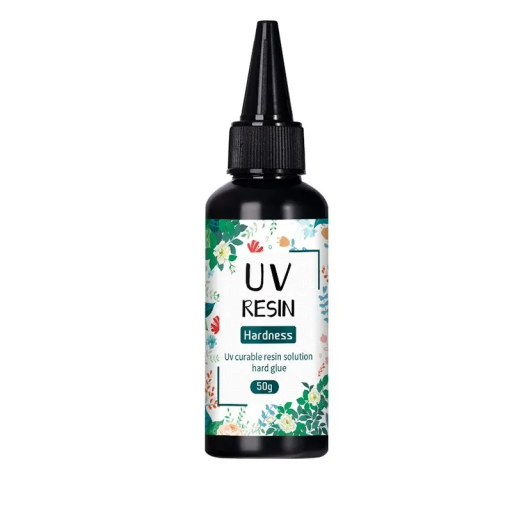
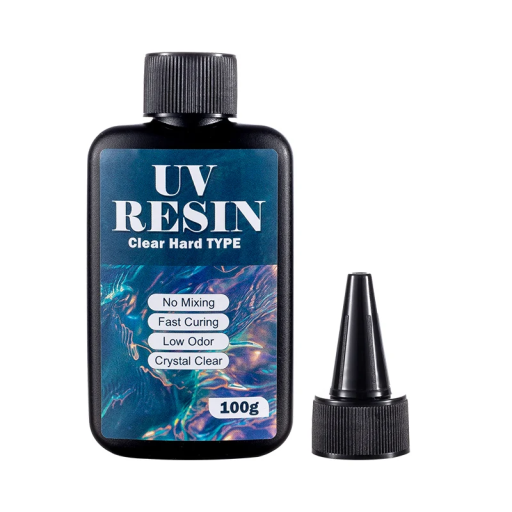
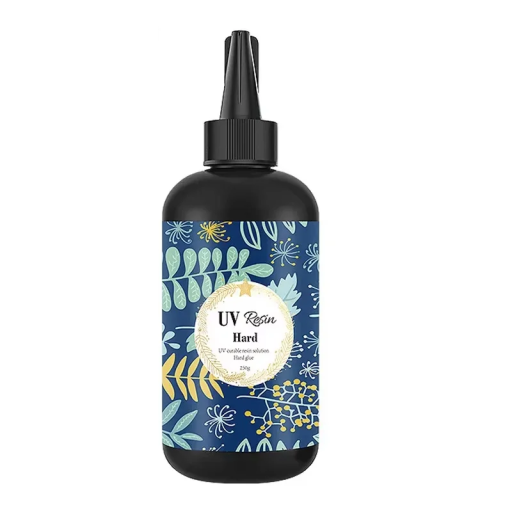
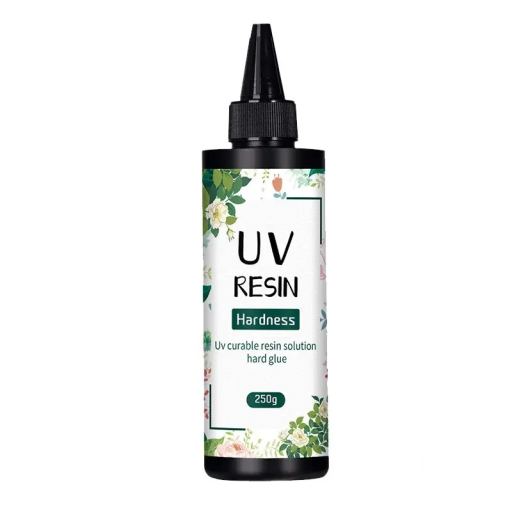
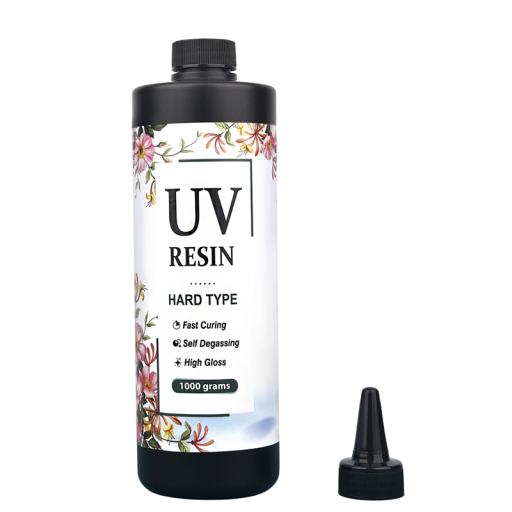
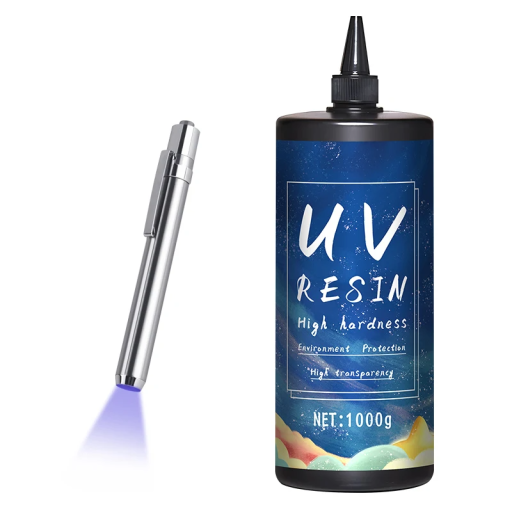
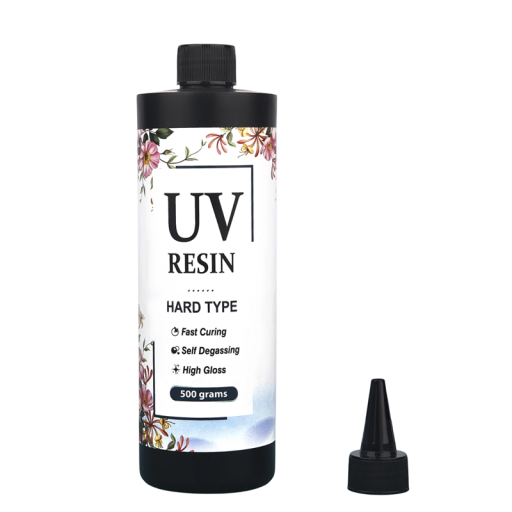
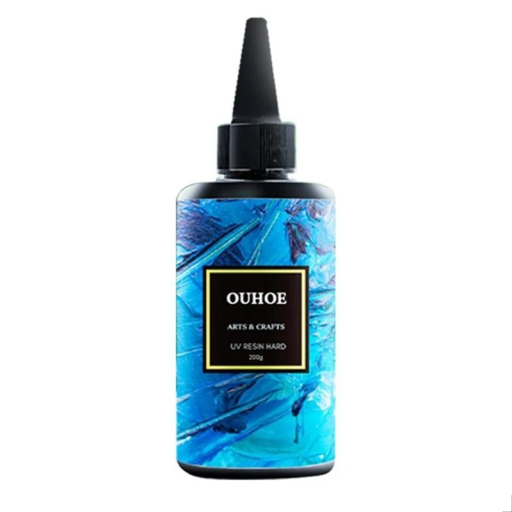
UV resins are single-component and need no mixing. Under UV light they cure in tens of seconds to a few minutes, which suits small pieces, repairs and a top coat. They come with a firm limit, though: the light has to reach inside, so neither a thick layer nor a heavily pigmented mix will let it through, and the inside stays liquid.
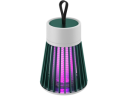
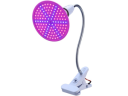
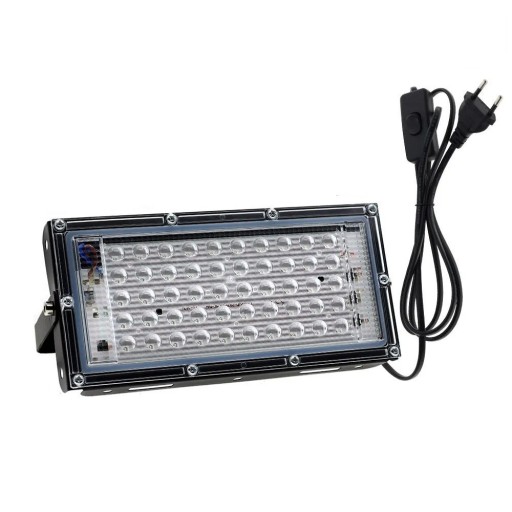
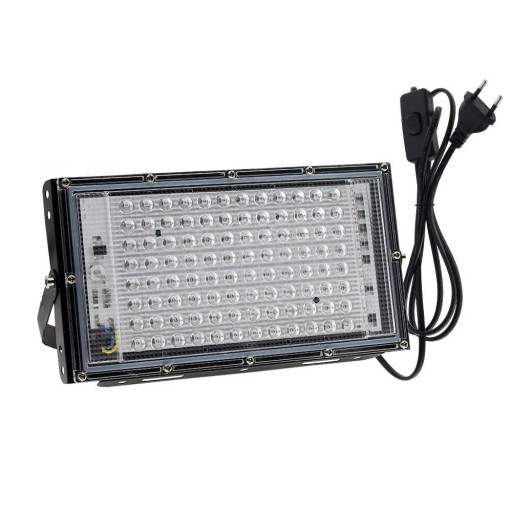
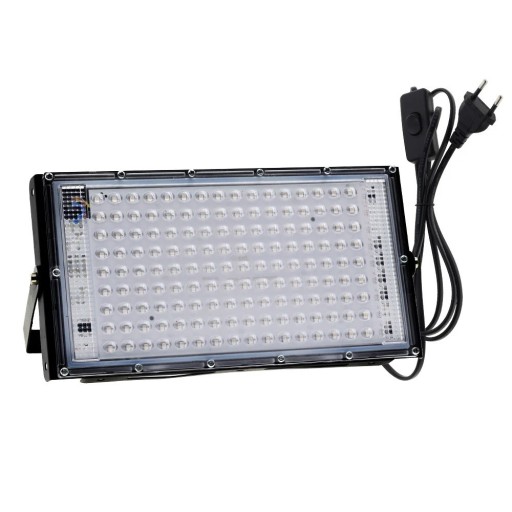
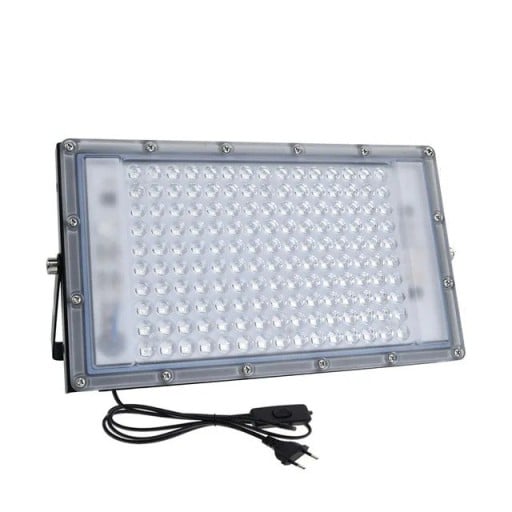
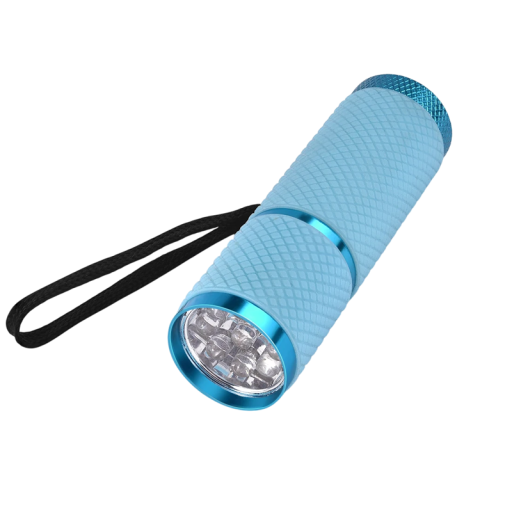
UV lamps differ in wavelength, most often 365 or 405 nm. This is not an optional figure — resin responds to the wavelength it was built for, and with the wrong lamp it will not cure properly however long you leave it. Look at the power and the recommended distance too. Do not look into a lit UV lamp and do not leave unprotected skin under it; work with a cover or inside a box.
Wear gloves when handling uncured resin, avoid skin contact and work somewhere ventilated. The mixing ratio, the working time, the maximum layer thickness and the wavelength all come with the instructions from the makers of the resin and the lamp — and those take precedence over any general description.