















































Polystyrene cutters
A polystyrene cutter melts the material with a glowing wire, so no beads and no dust are left behind and the edge comes out smooth straight off the cut. The resistance wire is picked by diameter, a thinner one leaves a narrower cut, and taut it stays square in the board. Temperature control decides how clean the edge turns out, because an overheated wire widens the cut and a cold one snags in the board. Hot wire takes only EPS and XPS, and is no use on polyurethane, PIR or mineral wool.
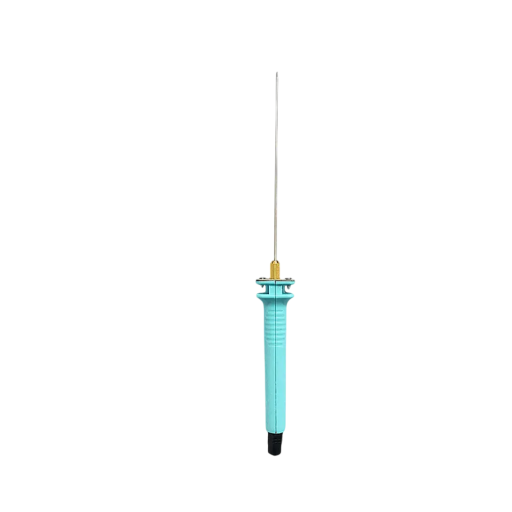
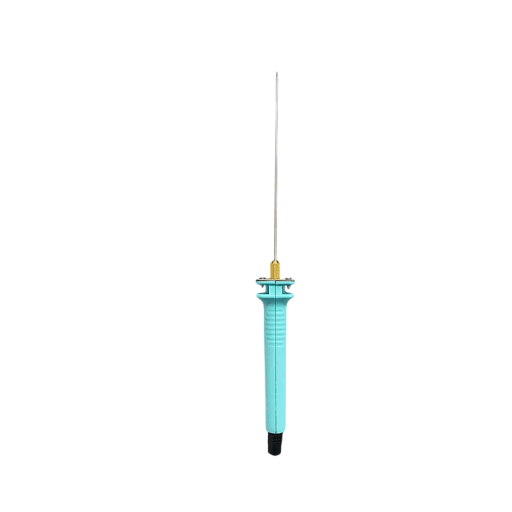
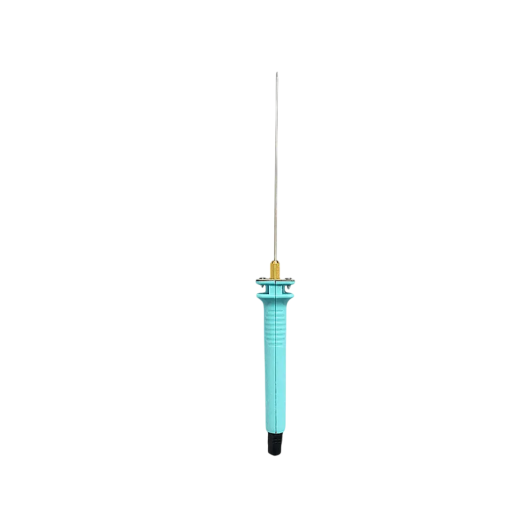
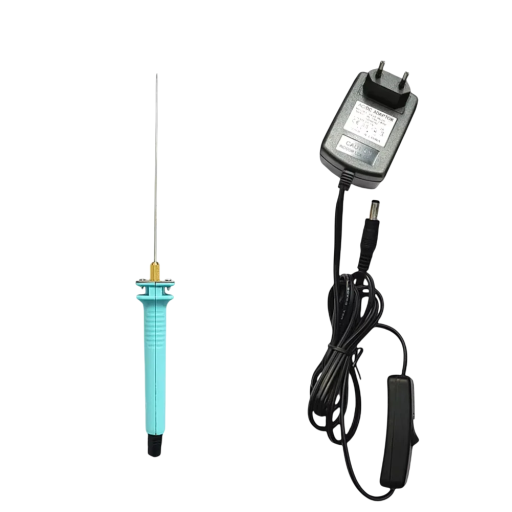
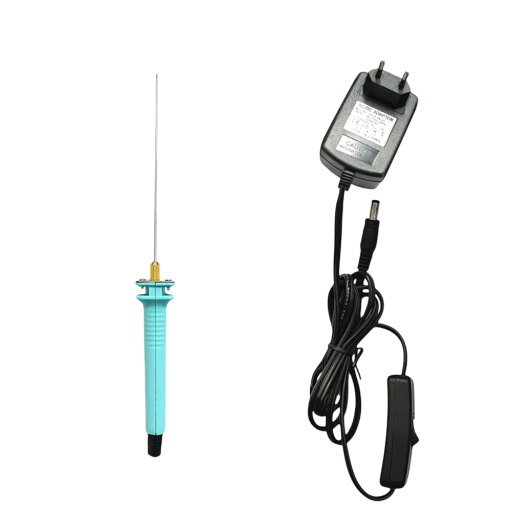
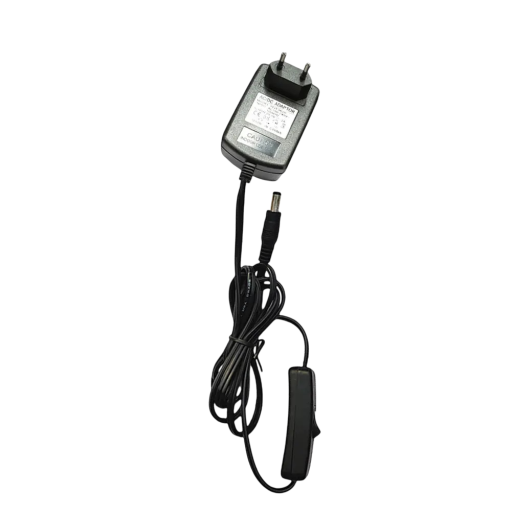
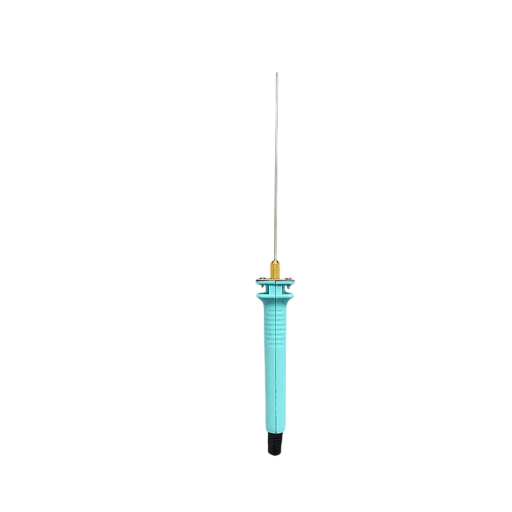
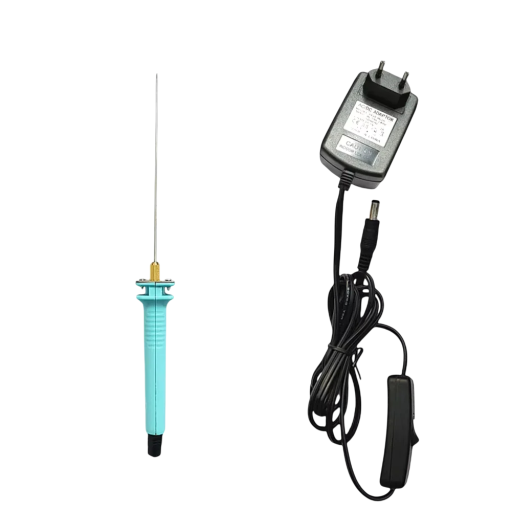
Polystyrene cutters
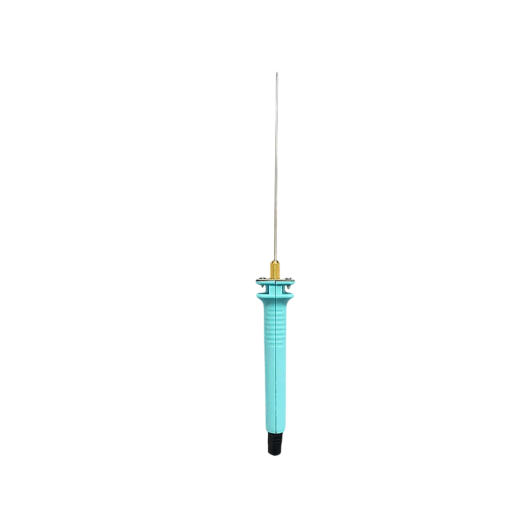
A polystyrene cutter does not work by removing chips but melts the material with a glowing wire, so no beads and no dust are left behind. A saw or a knife crumbles the polystyrene and the edge breaks away, whereas the hot wire leaves a smooth, straight cut already in its final form. It earns its place above all in facade insulation, where boards are shortened and fitted around reveals and corners. Smaller models are used by model makers, sign makers and workshops for cut-outs in packaging inserts.
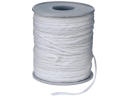
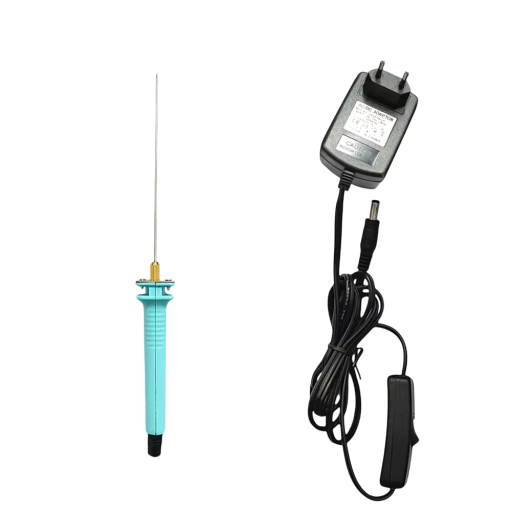
The cutting part is the resistance wire, most often a nickel-chromium alloy or kanthal. The diameter sits between 0.5 and 0.8 mm, and a thinner wire leaves a narrower cut and a more accurate edge. The wire has to be taut, because a slack one bends backwards in the cut and the edge stops coming out square. It is a consumable that stretches and burns through over time, so spare wires are bought in advance.
Cut quality rests on temperature control, which changes the voltage across the wire. Too hot a wire melts away more material, the cut widens and the edge stays wavy. Too cold a wire snags in the board and the cutter has to be pushed, which ends in a crooked cut. The right setting shows itself when the wire passes through the board under its own weight, without stopping.
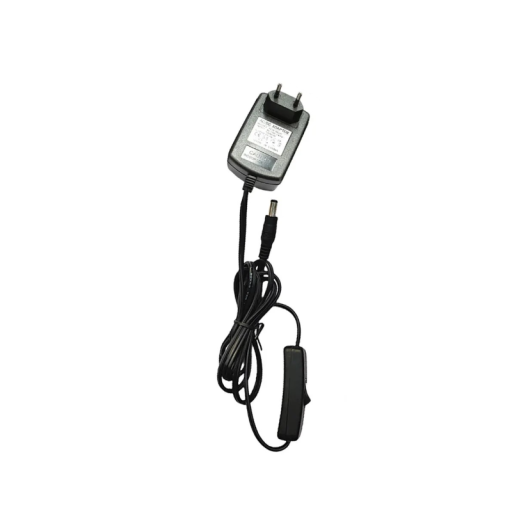
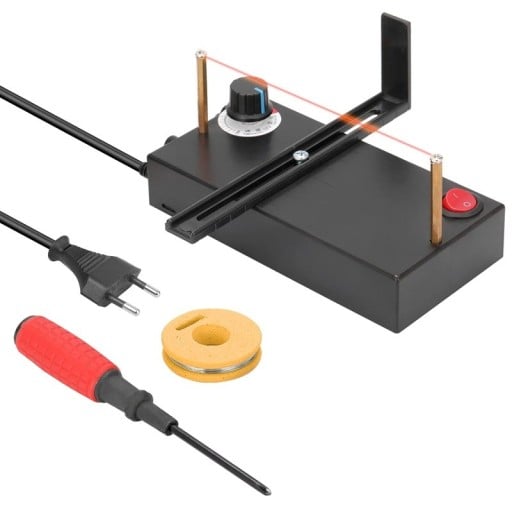
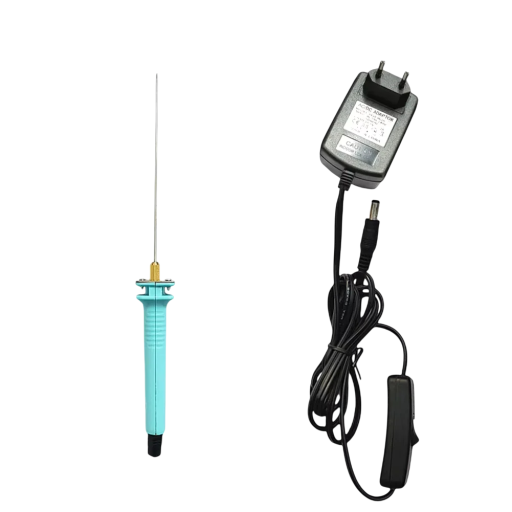
Designs differ mainly in the length of cut they allow, which is why wire length is the figure to watch. Handheld cutters with a wire around twenty centimetres get through an ordinary insulation board and cope with cut-outs and detail work. Bow and bench models tension the wire across a frame of fifty to a hundred centimetres and part the whole board in one pass. Stand cutters for facades work with an arm over a metre long and tilt the wire to an angle for bevelled edges.
Hot wire works only on thermoplastic foams, that is on white EPS and extruded XPS. Polyurethane and PIR boards, and mineral wool as well, cannot be cut this way, because they do not melt and merely burn. Cutting gives off fumes, so the work is done outdoors or at an open window, and with extraction where it is available.