



















































































Hand and folding saws
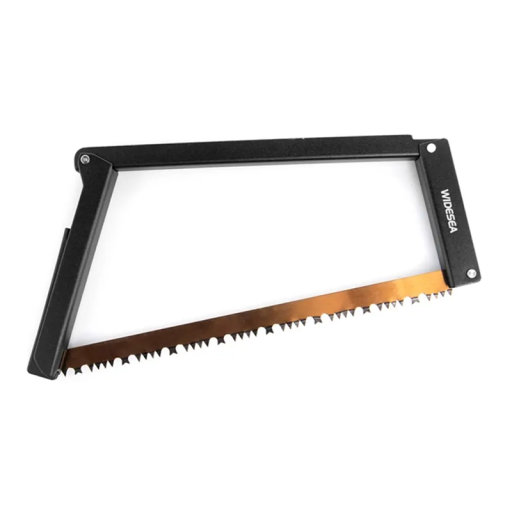
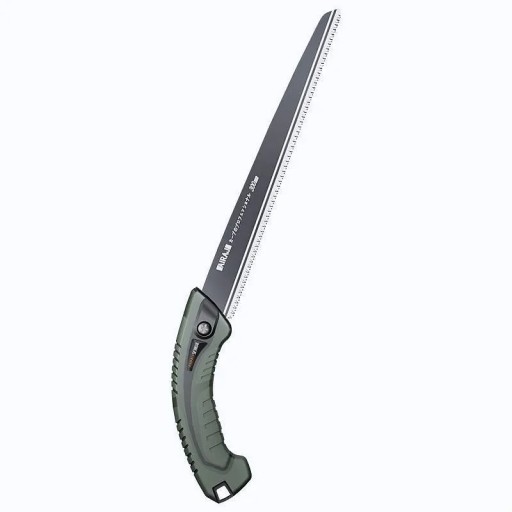
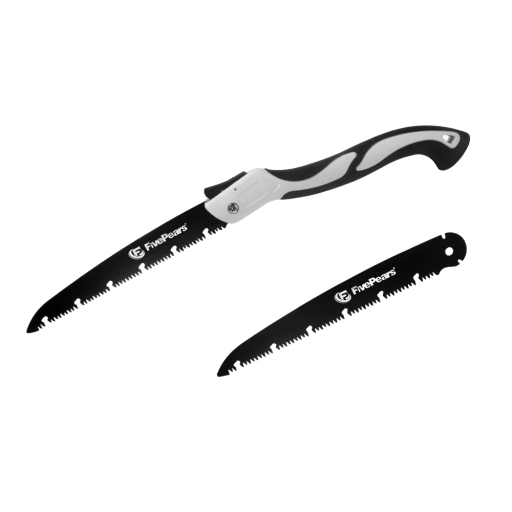
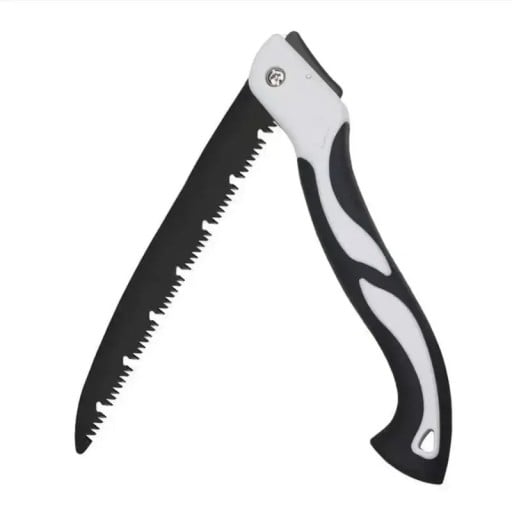
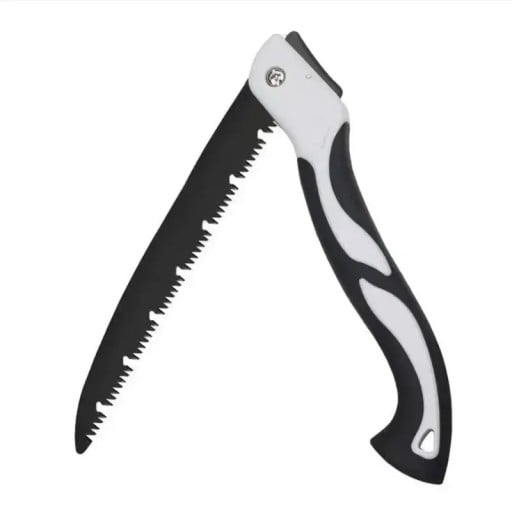
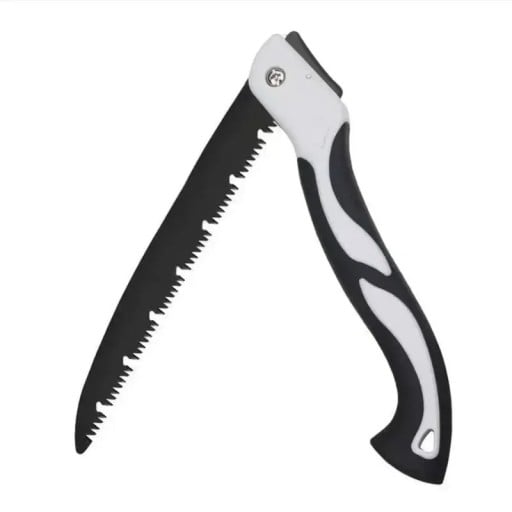
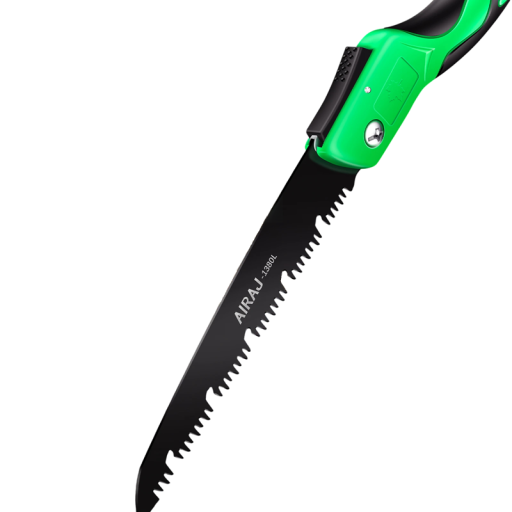
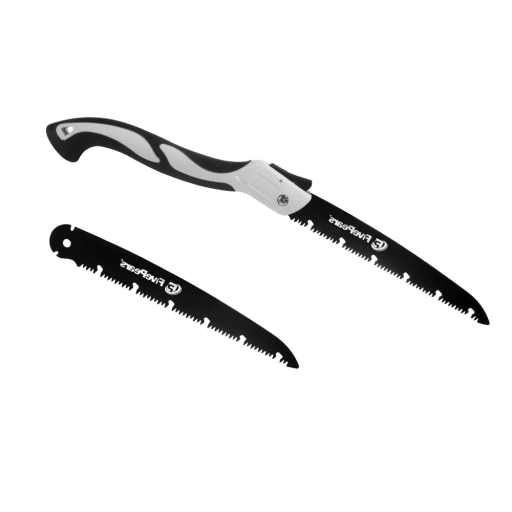
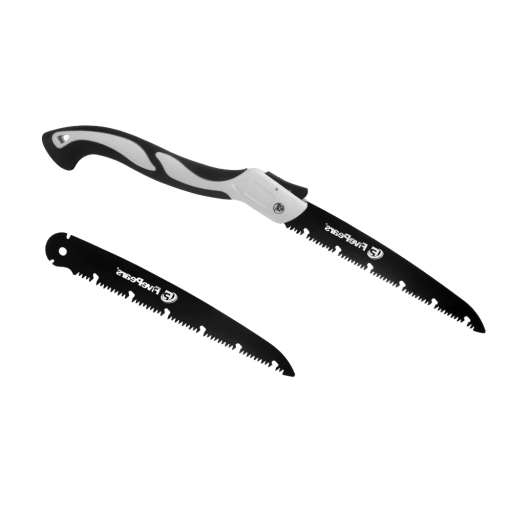
With no motor and no cable, hand and folding saws earn their place where running power makes no sense or where a few cuts will do. They differ mainly in teeth per inch: coarse teeth bite quickly into wet wood and branches, fine teeth give a clean cut in dry timber. The folding version tucks the blade into the handle and holds it with a catch, so the saw fits in a rucksack. Japanese saws, which cut on the pull stroke, form a group of their own.


Hand and folding saws
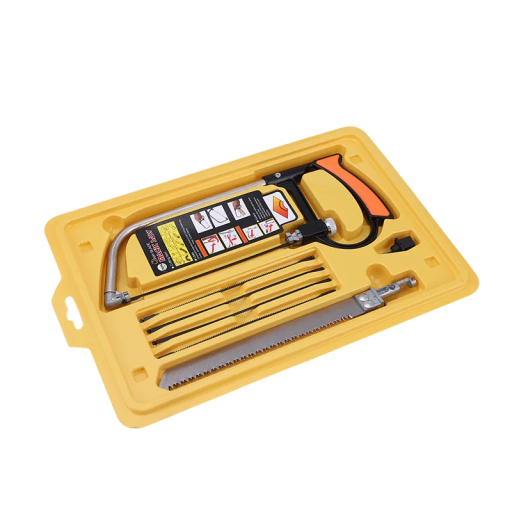
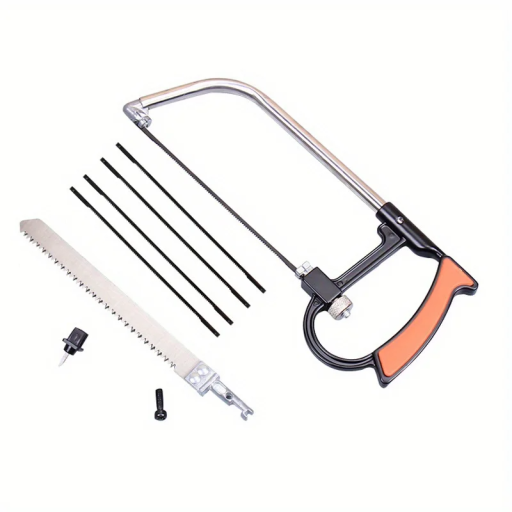
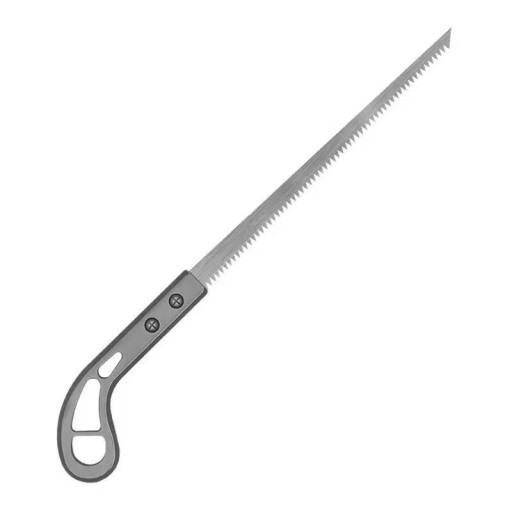
A hand saw runs on muscle alone, so it works without power, without charging and almost without noise. It suits occasional cuts, work out in the field and anywhere a circular saw is needlessly large. The basic split runs between saws for wood, for metal and for plasterboard, because each material needs different teeth.
How a saw cuts is decided by teeth per inch, written as TPI. Values around 7 to 9 TPI mean coarse teeth that bite fast into wet wood, branches and soft materials. From 11 TPI upwards the cut is finer and suits dry timber, plywood and clean finishing. Above 20 TPI you reach blades for metal and plastic, where a coarse tooth would tear the material. Hardened teeth last considerably longer but cannot be sharpened, so the blade is replaced once worn.
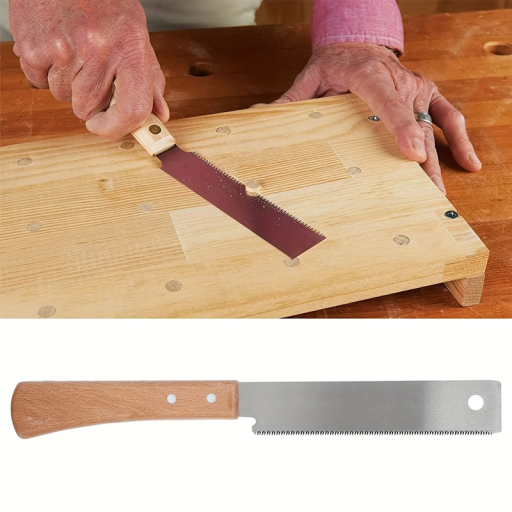
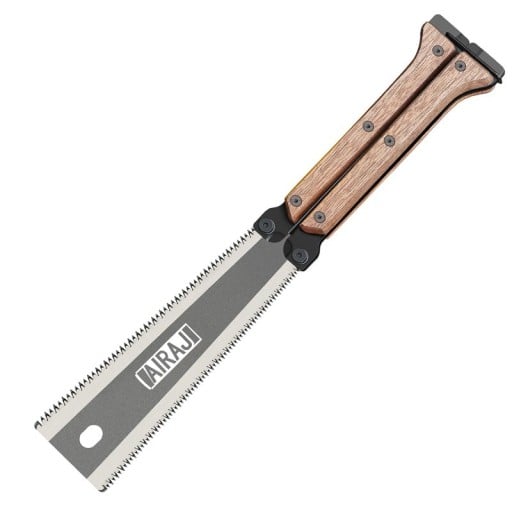
European saws cut on the push stroke, while Japanese saws bite on the pull. Pulling puts the blade in tension rather than compression, so it can be thinner and the kerf narrower. Less material removed means less effort and more accurate guidance, which helps with fine work. A ryoba carries different teeth on each edge, a kataba only one, and a dozuki has a stiffened spine for very precise cuts. The drawback is a more brittle blade that snaps easily if guided badly.
Blade length runs from roughly 150 to 500 millimetres and sets how thick a material the saw will handle. Short blades give better control in tight spots, long ones speed up work on wide stock. On folding saws the blade folds into the handle and is held by a catch that also locks it in the working position.
A two-component plastic handle with rubber inserts absorbs shock better than bare wood. The saw should be wiped dry after work, because moisture on the blade leads to corrosion. The teeth are protected by a blade guard or a sheath, which also prevents cuts while carrying it.