


























































































































Filaments
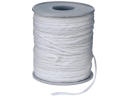
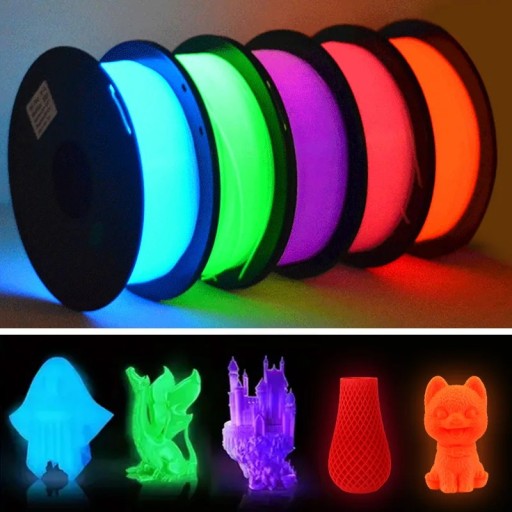
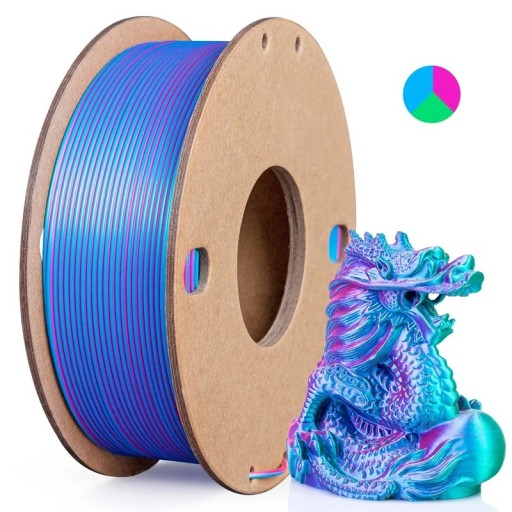
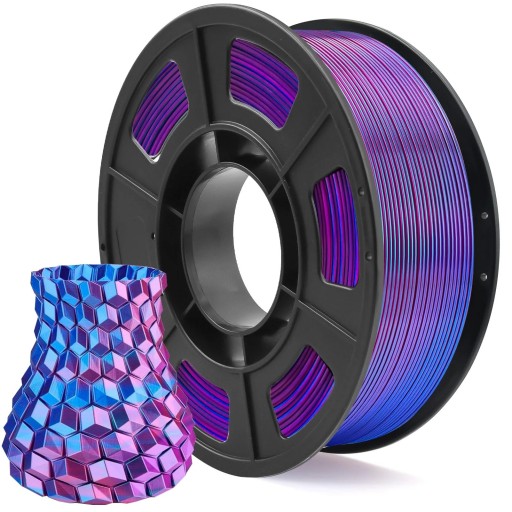
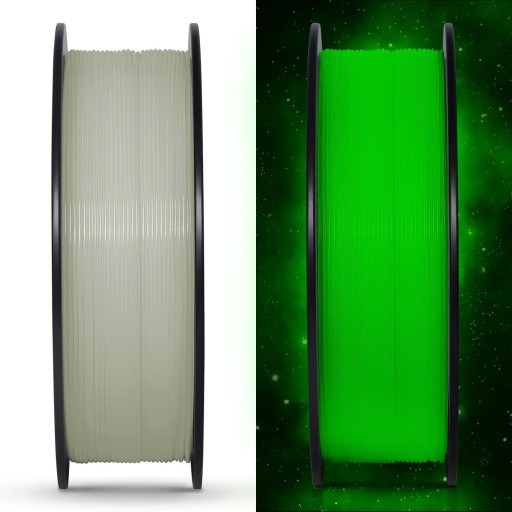
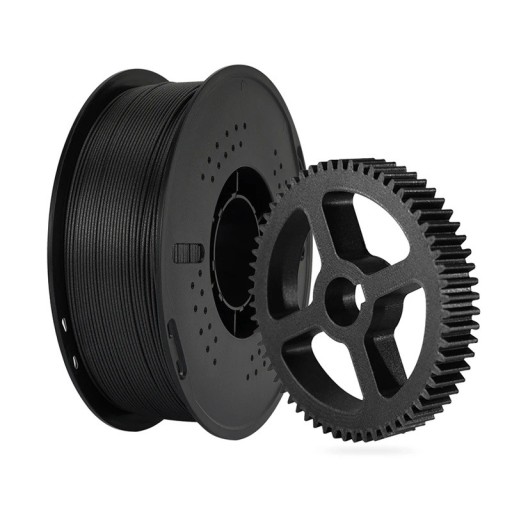
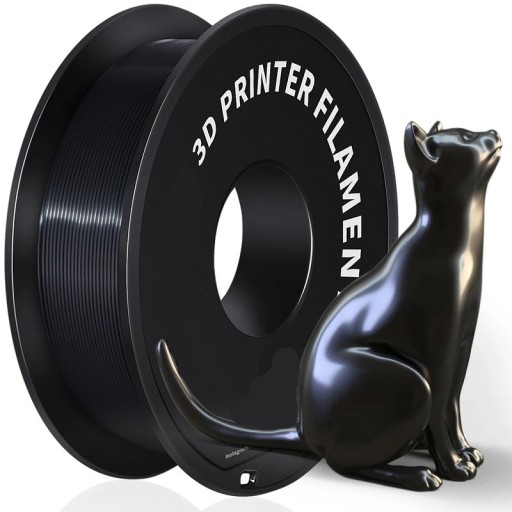
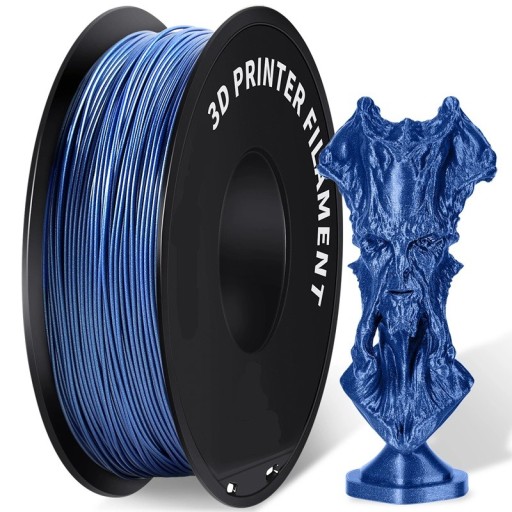
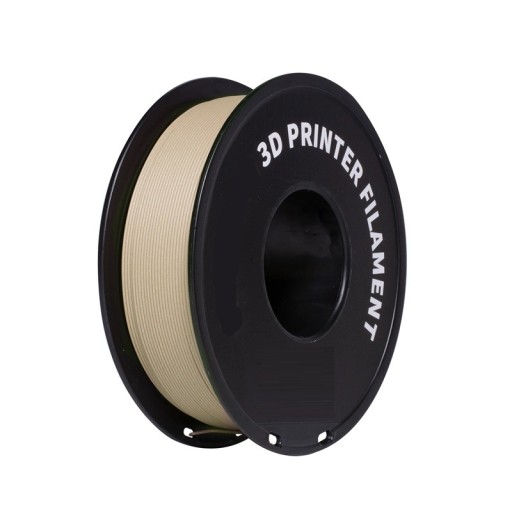
3D printing filaments are strands wound on a spool that the printer melts and lays down layer by layer. Here you will find PLA, PETG, ABS, ASA and flexible TPU, materials filled with carbon fibre, and specialities such as wood-look, glow-in-the-dark or silk-finish variants. Choose according to strand diameter, nozzle temperature and what the print has to withstand.
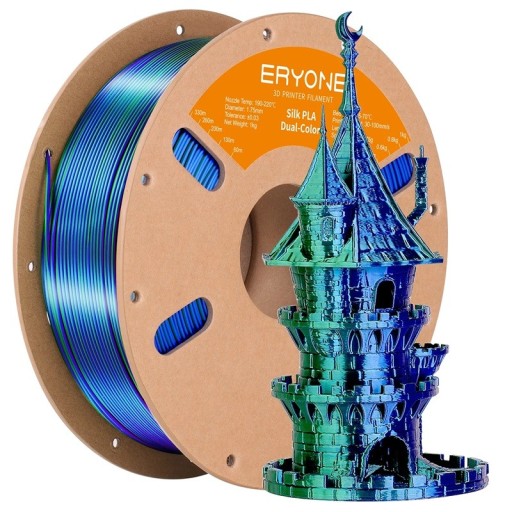

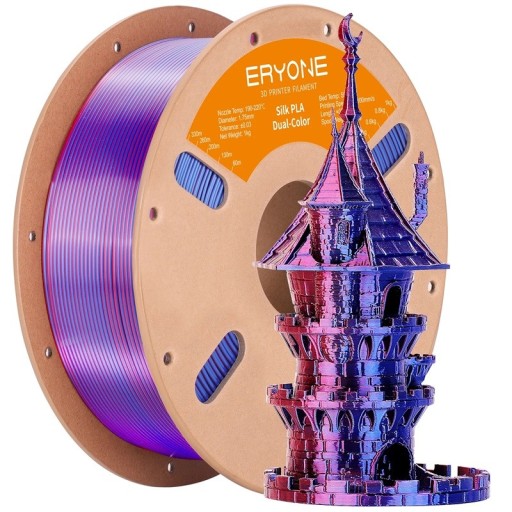
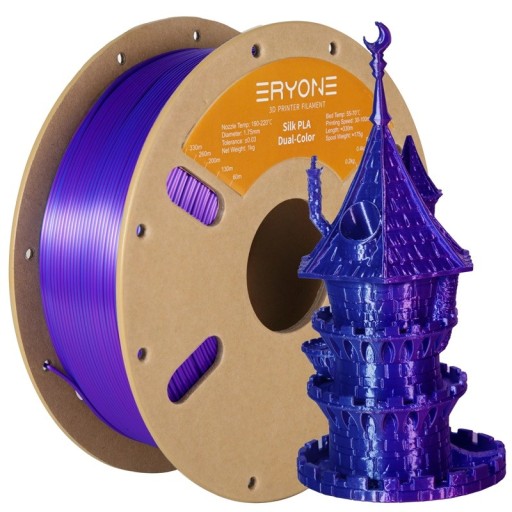

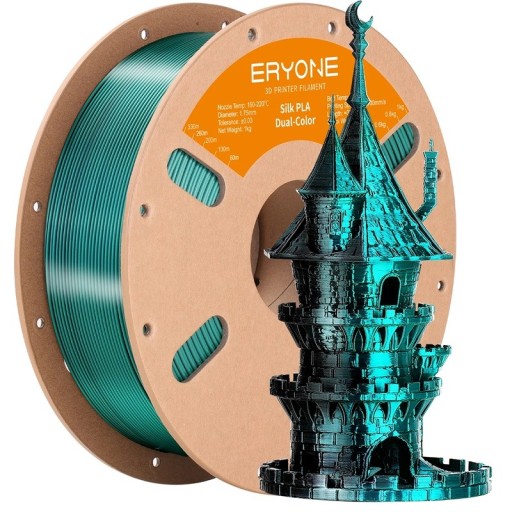

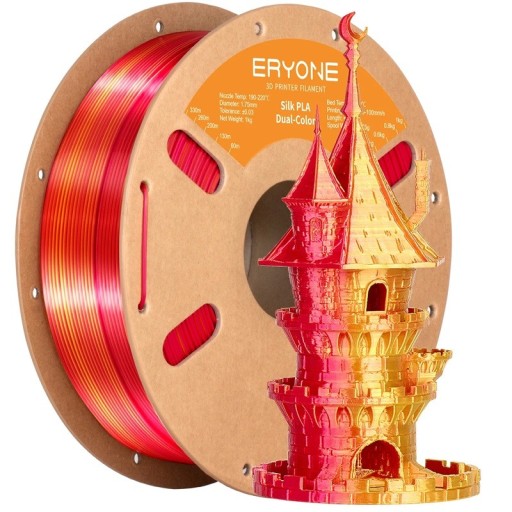
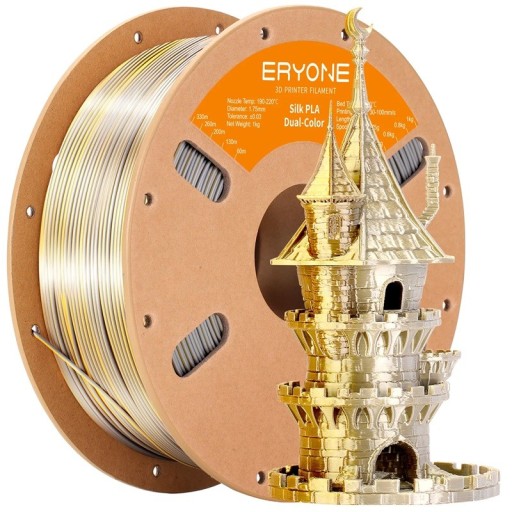
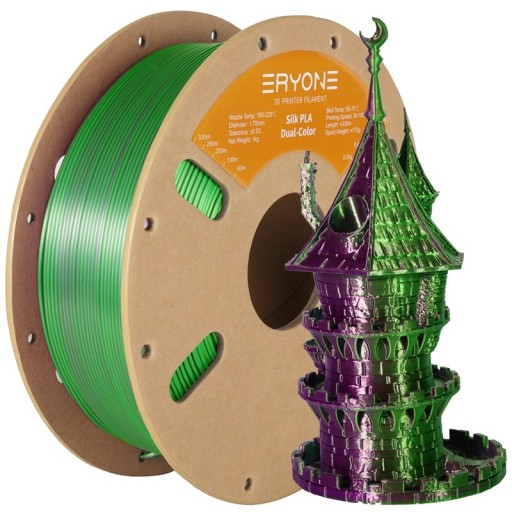
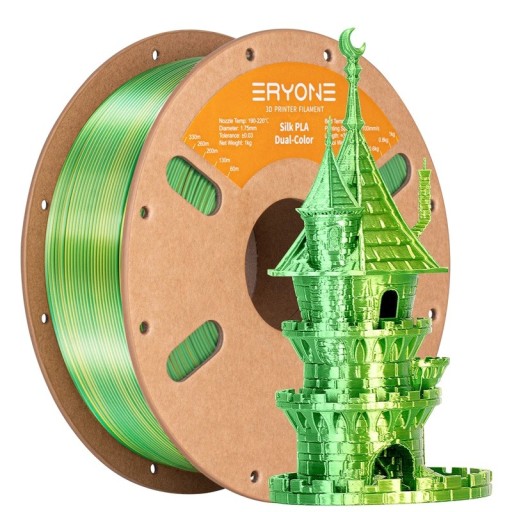
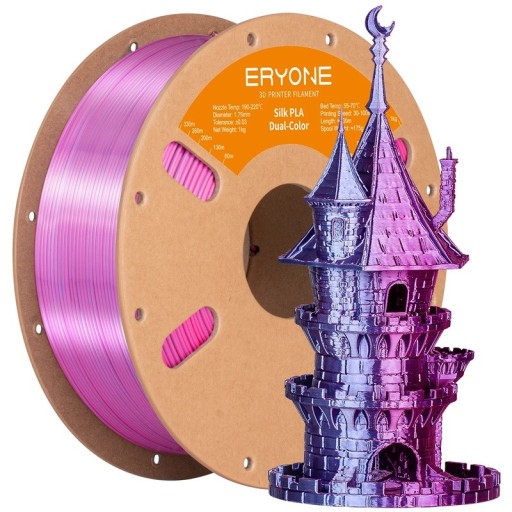
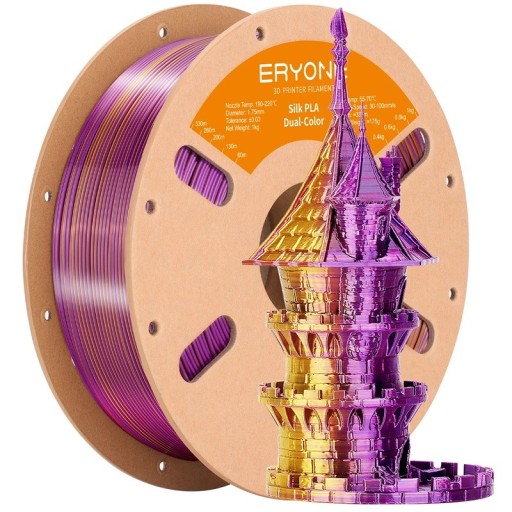
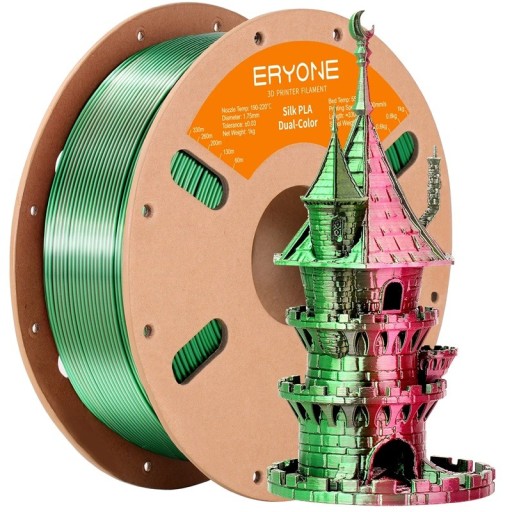
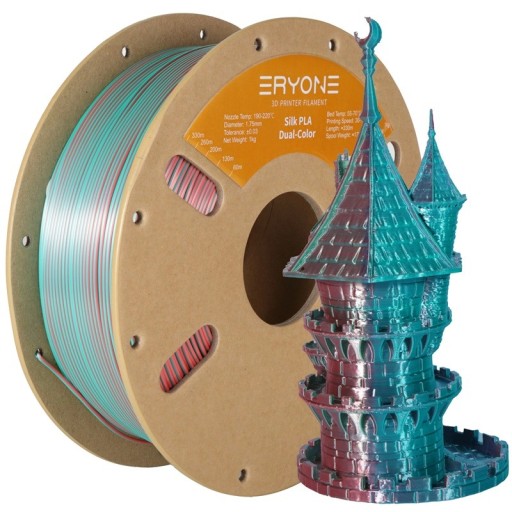



Filaments
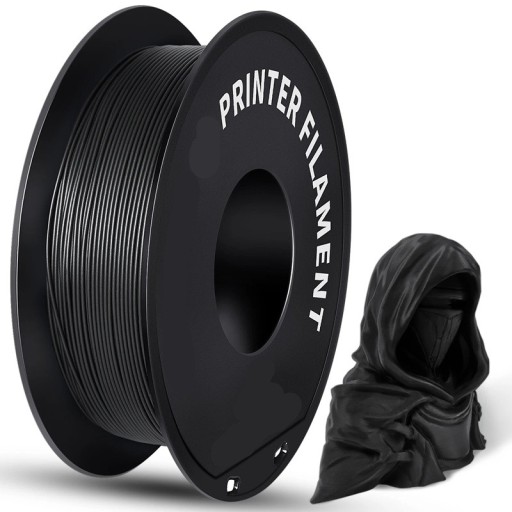
The strand unwinds from the spool, melts in the nozzle and goes down in layers — and it shapes the quality and behaviour of the finished part more than printer settings do. The difference between two spools of the same colour can mean a print that lasts years, or one that cracks the first time you screw it together.
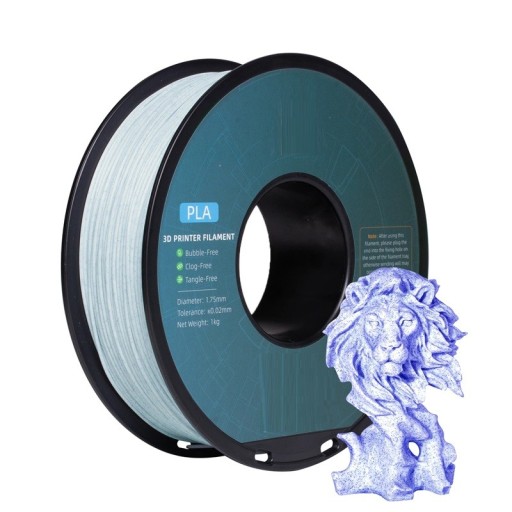
PLA forgives the most mistakes, holds its dimensions and does not warp; it simply softens in heat, so it has no business in a car. PETG is tougher and copes better with moisture and the outdoors, which makes it right for functional parts. ABS and ASA handle higher temperatures and can be smoothed, but they call for an enclosed chamber, a heated bed and above all good ventilation. Flexible TPU prints slowly and serves for seals, covers and damping parts.
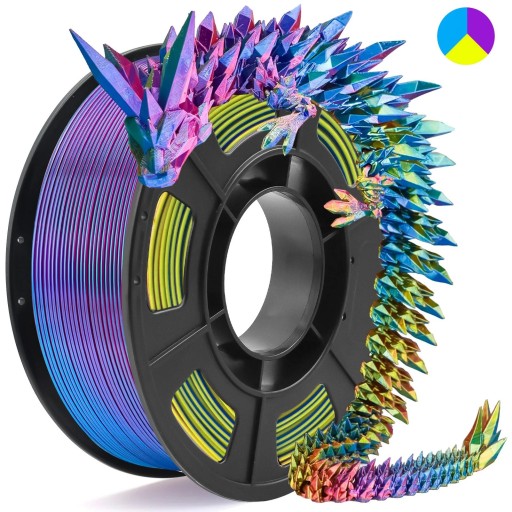
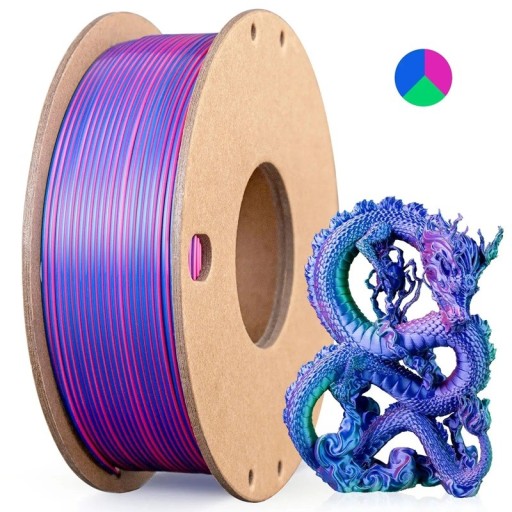
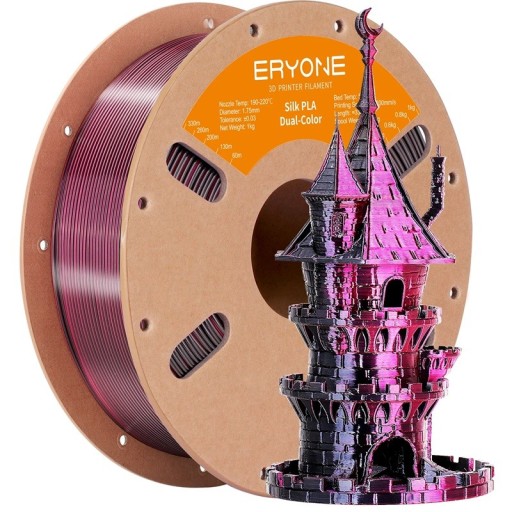
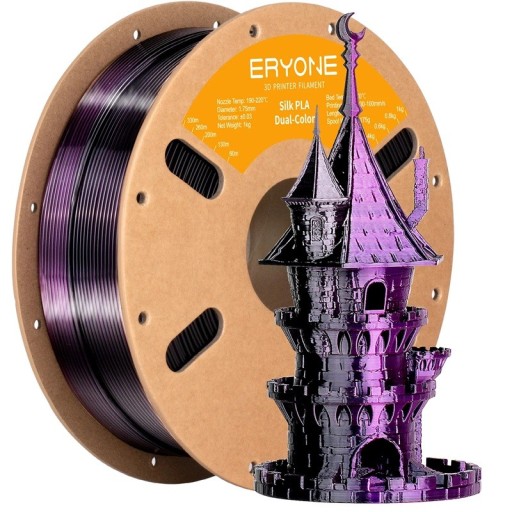
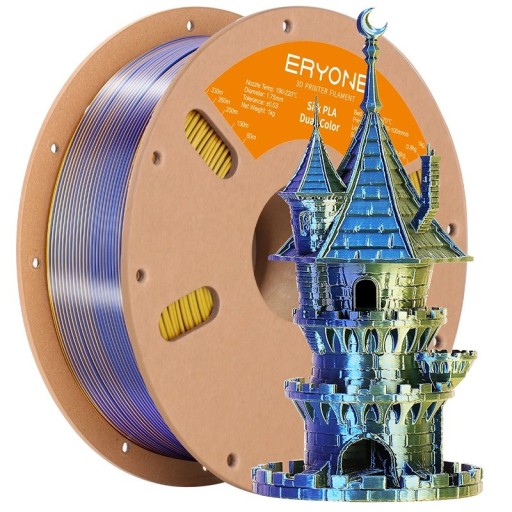
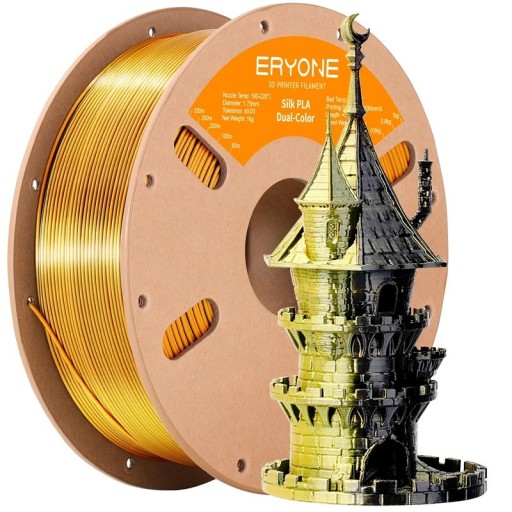
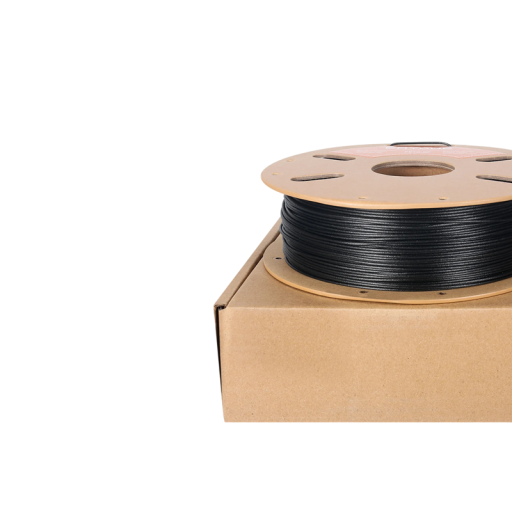
Beyond the basic types there are strands filled with carbon or glass fibre: they add stiffness but are abrasive and wear out a brass nozzle within a single spool — they need a hardened one. Decorative filaments with wood or metal in them, and silk filaments, change how a print looks, usually at the cost of more brittleness or poorer layer adhesion.
Before buying, check which diameter your printer uses: 1.75 mm is standard, while older machines and some professional ones run on 2.85 mm. Watch the diameter tolerance too, and the temperature range the printer offers. The strand takes up moisture from the air, which makes prints crack, bubble and string — so store opened spools in a sealed box with desiccant and dry them before printing if needed. Stick to the temperatures recommended by the material manufacturer.