
































































Circular saw blades and hole saws
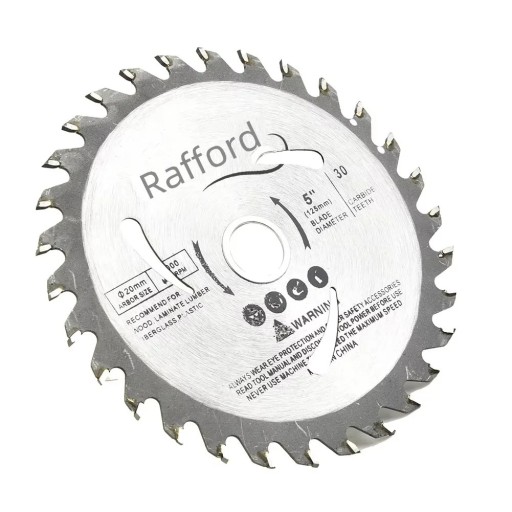
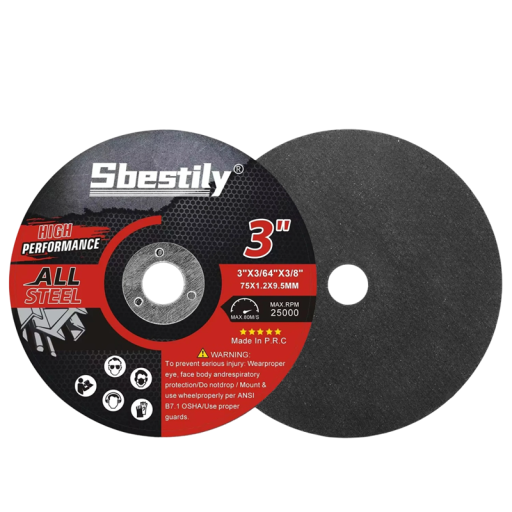
A circular saw blade and a hole saw are chosen to suit the machine, because what does not fit the spindle never gets used. On the blade the diameter and the arbor bore have to match, most often 20 mm, 30 mm or 22.2 mm on angle grinders. Tooth count is set by the material, twenty to thirty for solid wood and sixty and up for laminate and plastic. The maximum speed is stamped on the blade, and it must not fall below the speed of the machine.


Circular saw blades and hole saws
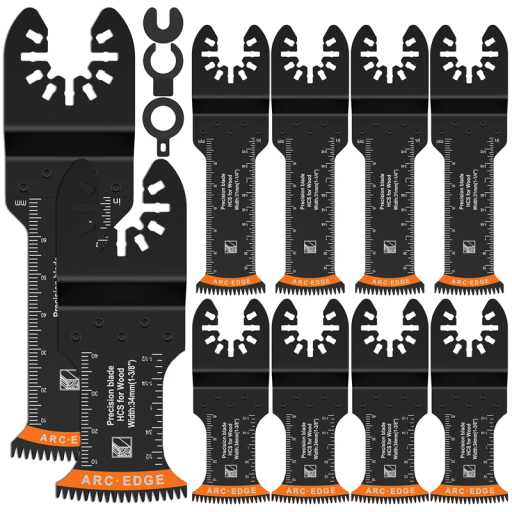
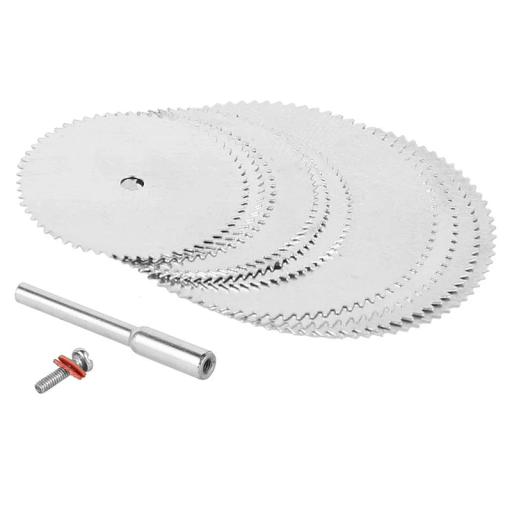
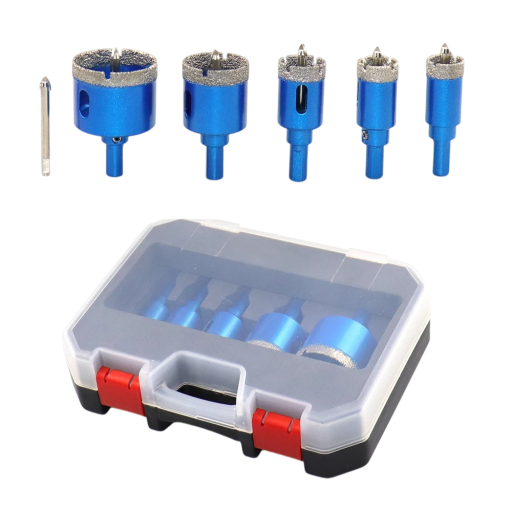
A circular saw blade and a hole saw are consumables chosen first to suit the machine and not the material. In both cases the diameter and the type of mounting decide, because what does not fit the spindle never gets used. The blade runs a straight cut and the hole saw takes out a round hole, so they do not stand in for each other. Sets covering several diameters work out cheaper than single pieces, provided every one of them gets used.
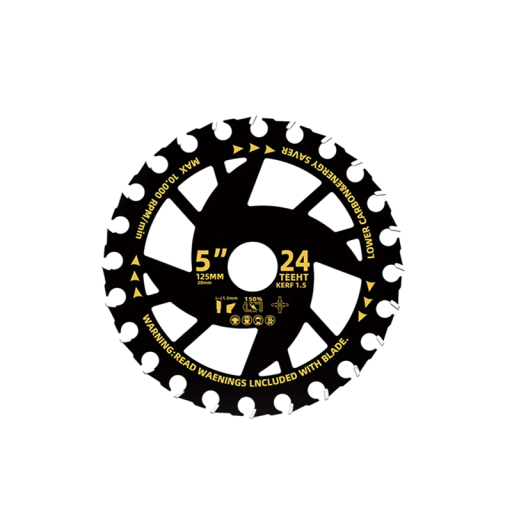
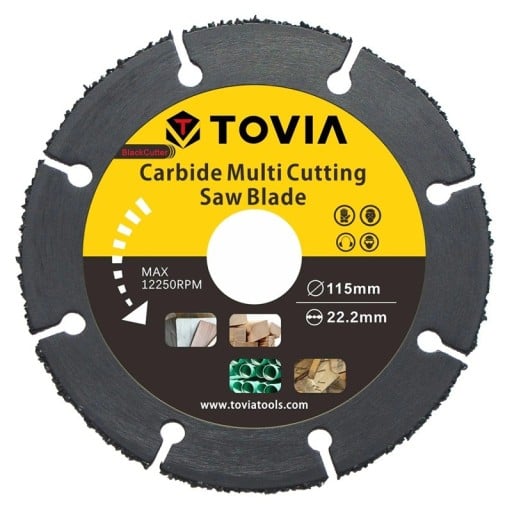
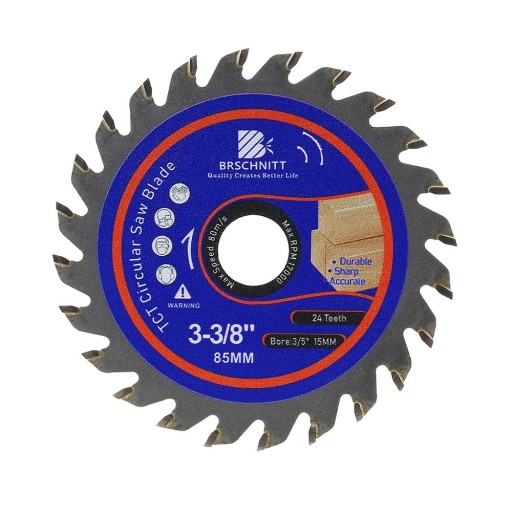
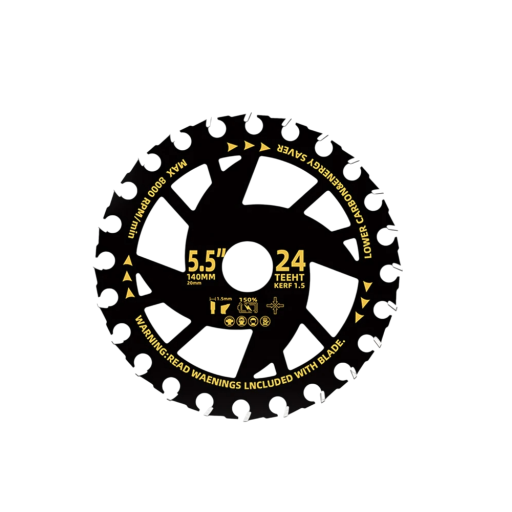
Blade diameter has to stay within the maximum the machine allows, and with it comes the arbor bore for the spindle. On hand saws and mini saws the bore is usually 20 mm, on larger machines 30 mm and on blades for an angle grinder 22.2 mm. Reducing rings let a blade with a larger bore sit on a thinner spindle, the other way round it does not work. A smaller diameter means less depth of cut, so an 85 mm blade gets through a batten but not through a beam.
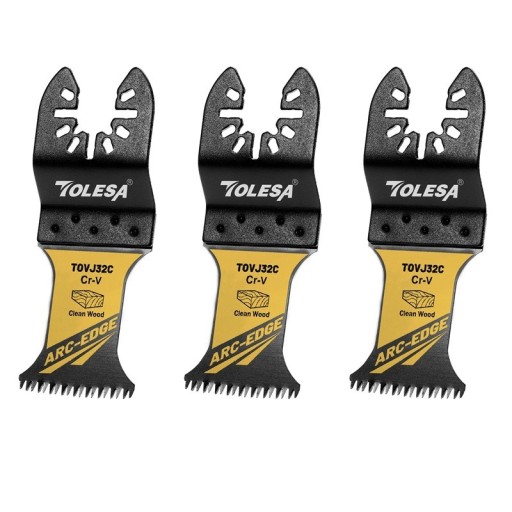
How clean the cut turns out rests on tooth count, chosen to suit the material. A blade with twenty to thirty teeth cuts fast and suits solid wood and construction timber. Sixty teeth and up advance more slowly but leave an edge without torn-out splinters in laminate, MDF and plastic. Teeth with brazed carbide tips last many times longer than plain steel teeth and carry the letters TCT.
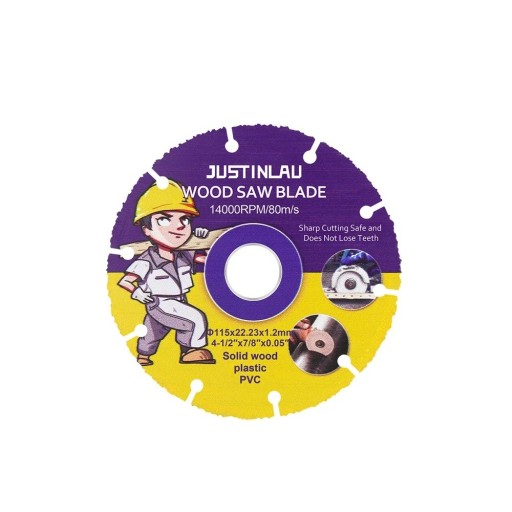
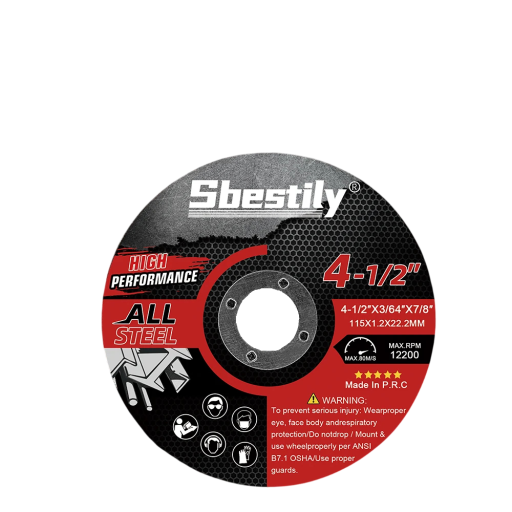
The maximum speed is always stamped on the blade, and it must not fall below the speed of the machine. This comes up most often with angle grinders, which spin at around eleven thousand revolutions per minute. A blade meant for a grinder therefore carries, for instance, 12500 per minute and a 22.2 mm bore. An ordinary circular saw blade has no place on an angle grinder, because the machine drives it past its own limit.
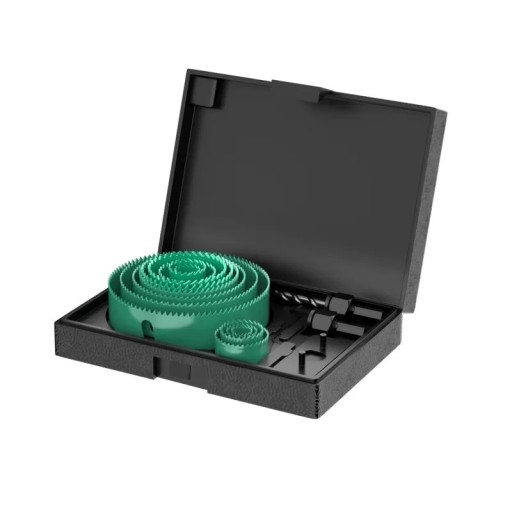
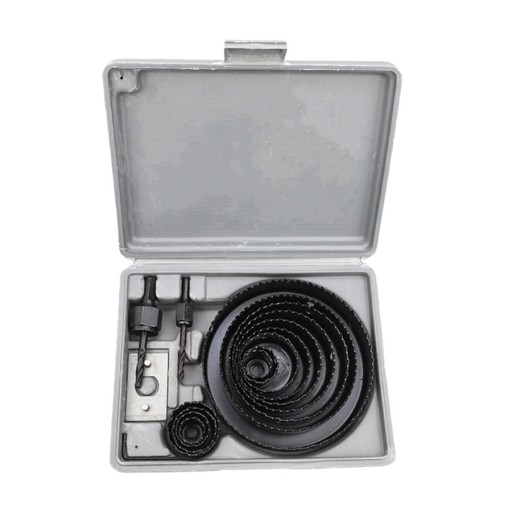
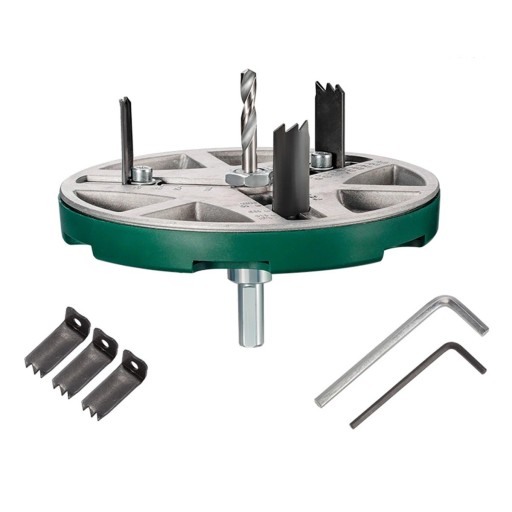
A hole saw is not clamped directly but through an arbor with a pilot drill, which starts the hole and keeps the cup on axis. The diameter of the hole saw gives the size of the hole, and the depth of the cup limits how thick a material can be crossed in one pass. Bi-metal cups are meant for wood, plasterboard and thin sheet, while tile and concrete call for the diamond or carbide version.