




















































































































Chainsaws
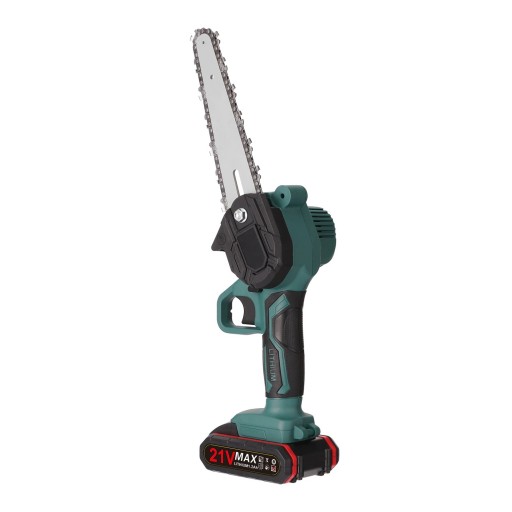
A chainsaw handles felling, cutting firewood to length and pruning in the garden far faster than any hand tool. Bar length shows what trunk diameter the machine cuts through in a single pass, and a longer bar always calls for a stronger engine. Petrol models are not tied to a socket, while corded and battery saws run quieter and start instantly. A chain brake, cut-resistant trousers and a helmet with a visor are inseparable from working with a saw.
Chainsaws
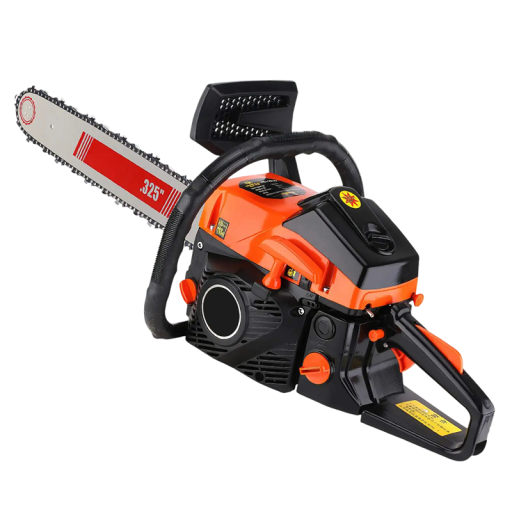
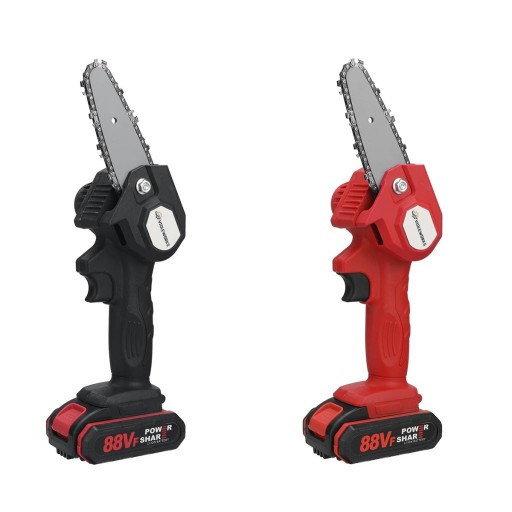
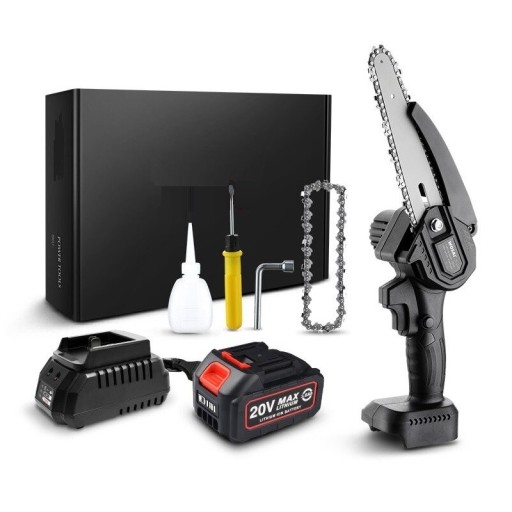
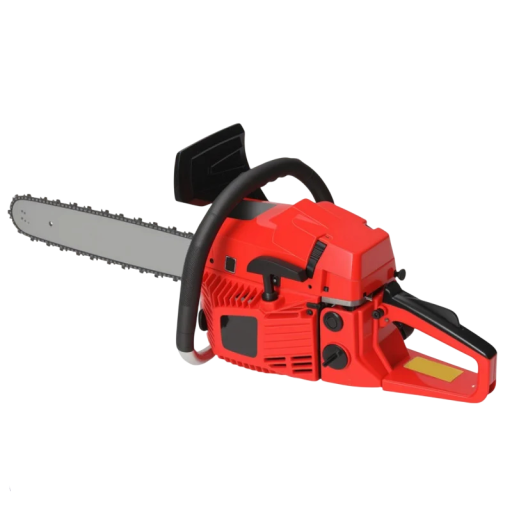
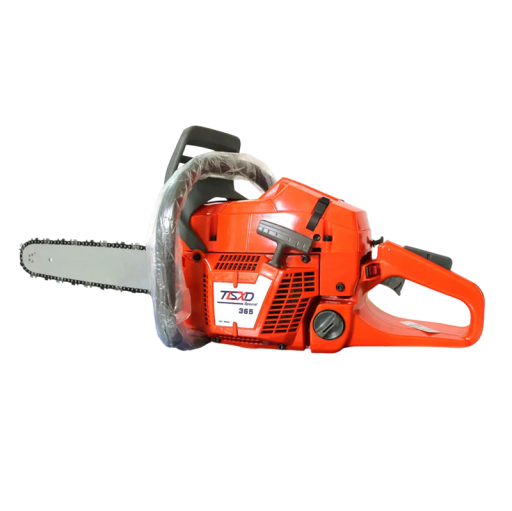
A chainsaw does in one afternoon what a hand saw needs a whole day for, and pays off wherever there is more wood than a few branches. It comes into its own when felling, when cutting firewood to length and when pruning in the garden and the orchard. Petrol models are not tied to a socket and deliver the most power, while corded and battery saws run quieter and start instantly. The choice comes down to how far from the house the work happens and how long the saw runs without a break.
The most important dimension is bar length, because it decides what trunk diameter the machine cuts through in a single pass. Pruning branches and preparing firewood need 30 to 35 cm, while 40 to 45 cm is the all-round choice and thicker trunks call for bars around 50 cm. The real cutting length always comes out a little shorter than the stated figure, because part of the bar sits inside the housing. A longer bar also demands a stronger engine, or the chain stalls in a deep cut.
Petrol saws are rated in engine displacement and kilowatts, mains saws in watts, so figures from the two groups do not compare directly. Every bar has a matching chain, described by three numbers. Chain pitch gives the distance between rivets and is most often 3/8 or 0.325 inch. That leaves drive link gauge, usually 1.3 or 1.5 mm, and the number of links, which has to suit that particular bar length.
The biggest hazard is kickback, the sudden upward throw of the bar at the moment the upper quarter of the tip touches wood. The chain brake guards against it, triggered by the front hand guard or by inertia on impact, and it stops the chain within hundredths of a second. Chains marked low kickback carry taller depth gauges between the cutters and cut the risk further. A helmet with a visor, gloves and trousers with a cut-resistant insert are not a formality around a chainsaw but basic kit.
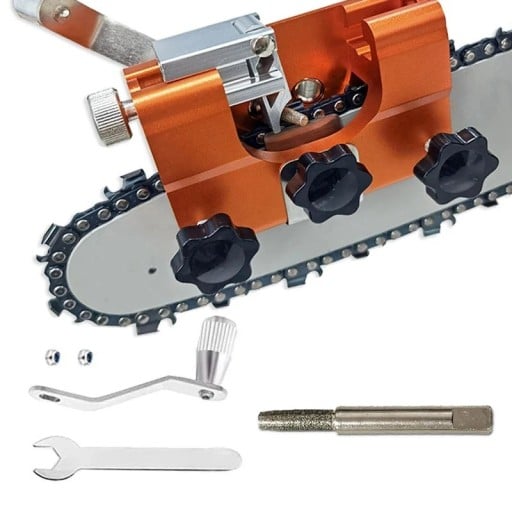
The chain only runs over the bar thanks to automatic oiling, so the oil tank is topped up along with the fuel and nothing is ever cut dry. Petrol models need a mix of petrol and two-stroke oil, usually at a ratio of 1:40 or 1:50 as the manual specifies. Tool-free chain tensioning saves time out in the field, because a new chain stretches within the first few minutes and has to be retightened.